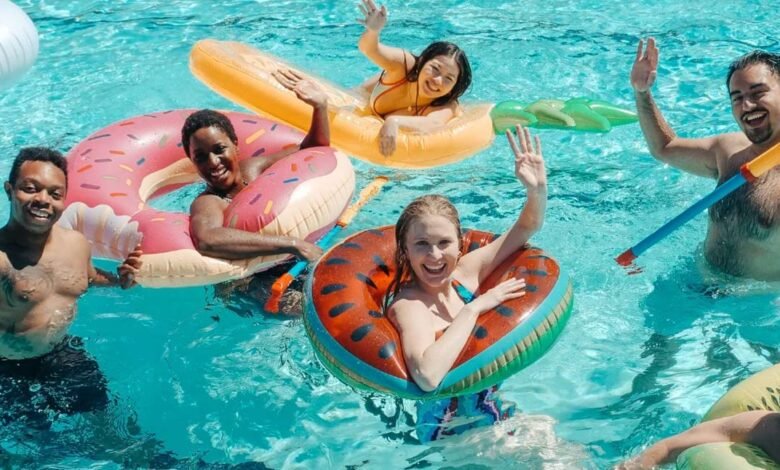

A swimming pool can become the center of outdoor relaxation, exercise, and entertainment, but preparing it after a long period of inactivity requires careful planning and attention. Simply removing the cover and turning on the equipment is not enough to ensure that the pool is ready for regular swimming. Water chemistry may have changed, debris may have accumulated, and pumps, filters, heaters, plumbing, and other equipment may need inspection before being placed back into service. A thorough opening process addresses these concerns step by step and creates a clean foundation for the swimming season. Professional care can make the process more efficient while helping property owners identify problems before they become expensive or disruptive.
Why Proper Pool Opening Is Important
A pool that has remained closed for several months can experience changes that are not immediately visible. Leaves and dirt may collect beneath the cover, water levels may change, and chemical conditions can become unbalanced. Equipment that has not been operating regularly may also develop problems or require inspection before being restarted. These conditions make proper preparation an important part of responsible pool ownership.A complete opening process allows every major part of the system to be evaluated before the pool receives regular use. Water can be tested, surfaces can be cleaned, filters can be serviced, and circulation equipment can be checked. This approach can reduce the possibility of discovering serious problems only after the swimming season has already started. Proper preparation also gives property owners an opportunity to establish a maintenance routine from the beginning.
Inspecting the Pool Before Removing the Cover
Before removing a pool cover, the surrounding area and the cover itself should be inspected. Branches, leaves, dirt, standing water, and other materials may have accumulated during the closure period. Removing these materials carefully can prevent excessive debris from falling into the pool.The cover should also be checked for tears, damaged straps, worn areas, broken hardware, or other signs of deterioration. Any problem should be documented so it can be repaired or addressed before the next pool closing. A well-maintained cover provides better protection during future periods of inactivity.The area surrounding the pool should also be cleared of debris. Cleaning the deck and nearby surfaces before opening can reduce the amount of dirt that enters the water during the process and creates a cleaner environment for subsequent maintenance.
Carefully Removing the Pool Cover
Cover removal should be performed carefully because accumulated debris can quickly enter the water if the process is rushed. Leaves and other materials should be removed from the cover first, and standing water should be handled appropriately depending on the cover type.Once the cover is removed, it should be cleaned and stored correctly. Proper storage can help protect it from unnecessary damage and make it easier to use during the next closing period.After removal, the pool itself can be inspected more closely. This is when technicians can begin evaluating the water, surfaces, equipment, and overall condition of the system.
Checking Water Levels
Water levels can change significantly while a pool is closed. Evaporation, rainfall, drainage, and potential leaks may all influence the amount of water in the pool. Before restarting circulation equipment, the water should be brought to an appropriate level for the system.A water level that is too low can affect skimming and pump operation, while an excessively high level may interfere with normal circulation. The correct level depends on the pool design and equipment.If the water level has dropped unusually far during the closure period, property owners should consider whether a leak may be present. Identifying the reason for significant water loss before the system returns to regular operation can help prevent continued waste and equipment problems.
Looking for Signs of Leaks
A thorough opening inspection should include checking for signs of water leaks. Some leaks can occur around visible equipment, valves, fittings, or plumbing connections, while others may develop underground or inside inaccessible sections of the system.Unexplained water loss, wet areas around equipment, unusual pressure, weak circulation, or visible cracks can all justify further investigation. A professional technician can evaluate these symptoms and determine whether additional leak detection is necessary.Addressing leaks before the swimming season becomes busy can reduce water loss and help protect surrounding components. Early repairs may also prevent a small plumbing problem from creating more extensive damage.
Inspecting the Pool Pump
The pool pump is responsible for moving water through the filtration and circulation system, making it one of the most important components to inspect during opening. After remaining inactive for an extended period, the pump should be evaluated before normal operation resumes.Technicians can check the pump housing, basket, seals, motor, connections, and other visible components. Unusual noises, vibration, leaks, overheating, or difficulty starting can indicate potential problems.A professional inspection can help determine whether the pump is ready for operation or whether a component requires cleaning, adjustment, repair, or replacement. Restarting a questionable pump without inspection could result in avoidable equipment damage.
Preparing the Pool Filter
The filtration system should also receive attention before the pool is placed back into regular service. Filters collect dirt and contaminants from the water, and they must be in good condition to maintain effective filtration.The correct maintenance method depends on the filtration system. Cartridge filters may require cleaning or replacement, while sand or other filtration systems have different servicing requirements. Internal components should also be checked when appropriate.A properly maintained filter supports better water clarity and efficient circulation. Starting the season with a neglected or damaged filter can make it more difficult to achieve clear water and may place additional stress on the pump.
Restarting the Circulation System
Once water levels, plumbing, pumps, and filters have been inspected, the circulation system can be restarted. This should be done carefully while observing the system for unusual behavior.Water should move properly through the pump, filter, heater, and other connected equipment. Air bubbles, weak flow, abnormal pressure, leaks, or unusual noises may indicate a problem that needs further attention.Professional technicians can monitor the system during startup and verify that the equipment is functioning correctly. This provides an opportunity to resolve circulation problems before they affect water quality or create equipment stress.
Testing Pool Water Chemistry
Water chemistry is one of the most important parts of preparing a pool for swimming. Water that has remained stagnant or minimally treated can develop chemical imbalances, algae, cloudiness, or other conditions that require correction.Testing should be performed before making significant chemical adjustments. Different pools may have different requirements depending on their size, equipment, water source, and existing condition.Professional testing allows technicians to determine which adjustments are needed rather than relying on assumptions. Properly balanced water helps protect swimmers while reducing the risk of damage to pool surfaces and equipment.
Removing Algae and Cloudy Water
A pool may develop algae or cloudy water while closed, even when a cover has been used. Warm conditions, chemical changes, debris, and inadequate circulation can contribute to these problems.The opening process should address visible algae, suspended particles, and other contaminants. Brushing and vacuuming can remove physical buildup, while appropriate water treatment helps restore chemical balance. The filtration system may need to operate for an extended period to remove remaining particles.If cloudy water persists, the underlying cause should be investigated. The problem may involve filtration, circulation, water chemistry, or contamination. Repeatedly adding chemicals without identifying the cause may not provide a lasting solution.
Cleaning Pool Walls and Steps
Pool walls, steps, corners, and other surfaces can accumulate dirt, algae, and mineral deposits during the closure period. Thorough brushing helps loosen this material so it can be removed through vacuuming and filtration.The cleaning method should be appropriate for the surface material. Different finishes may require different brushes and cleaning techniques. Using unsuitable equipment can potentially cause unnecessary wear.Cleaning the walls and steps before regular swimming begins improves the appearance of the pool and helps reduce contaminants in the water. It also allows technicians to inspect the surfaces for cracks, discoloration, loose tiles, or other changes.
Vacuuming the Pool Floor
Debris that settles on the pool floor should be removed carefully. Leaves, dirt, sediment, and other materials may accumulate beneath the surface during months of limited activity.Vacuuming helps remove these contaminants and supports better water clarity. Depending on the pool system, manual or automatic equipment may be used.A clean pool floor also makes it easier to identify surface problems. Cracks, stains, rough areas, or unusual changes can be evaluated more effectively when the bottom is free of debris.
Checking Skimmers and Baskets
Skimmer baskets and pump baskets should be emptied and inspected during the opening process. These components collect larger debris before it can move farther into the circulation system.A full or damaged basket can restrict water flow and reduce system efficiency. Cleaning these components helps support proper circulation and reduces unnecessary stress on the pump.Technicians can also inspect the baskets and related fittings for cracks, damage, or improper placement. Replacing worn components early can prevent future circulation problems.
Inspecting Pool Plumbing
The plumbing network connects the pool with pumps, filters, heaters, drains, and other equipment. Every part of the system needs to work properly for effective circulation.During opening, visible pipes, valves, fittings, and connections should be checked for signs of damage or leakage. Poor water flow or air entering the system may also indicate a plumbing issue.If a problem is suspected, professional evaluation can help determine whether it involves a visible connection or a hidden section of the plumbing. Addressing plumbing problems before heavy pool use can reduce the possibility of interruptions later.
Checking the Pool Heater
A pool heater should be inspected before it is needed regularly. Equipment that has remained inactive may require cleaning, testing, or maintenance before normal operation.A heater that produces inconsistent temperatures, shuts down unexpectedly, or fails to operate may have mechanical, electrical, or circulation-related problems. Professional inspection can identify the source and determine whether repair or replacement is appropriate.Testing heating equipment during the opening process is useful because it gives property owners time to address problems before they become urgent.
Inspecting Pool Lights and Electrical Equipment
Electrical components should be inspected carefully during pool opening. Pool lights, pumps, heaters, timers, automated controls, and other equipment can all require electrical attention.Flickering lights, repeated breaker trips, damaged wiring, or unexpected equipment shutdowns should not be ignored. Electrical work around swimming pools should be handled by qualified professionals because improper repairs can create serious safety risks.Checking electrical equipment before regular swimming begins can help identify problems early and support safer pool operation.
Examining Pool Safety Features
Safety features are an essential part of preparing a pool for the season. Ladders, handrails, steps, barriers, gates, covers, drain components, and other safety equipment should be checked for damage or loose connections.A component that appeared functional at the end of the previous season may have deteriorated during the closure period. Inspecting these features before swimmers return allows problems to be corrected promptly.Maintaining safety equipment is particularly important when the pool will be used by children, families, or guests. A complete opening should consider both equipment performance and the overall safety of the pool environment.
Cleaning the Pool Deck and Surrounding Area
The pool deck should be cleaned as part of the opening process. Dirt, leaves, algae, and other buildup around the pool can eventually enter the water and affect cleanliness.Cleaning surrounding surfaces also improves the appearance of the pool area and creates a more welcoming environment. Any cracks, loose surfaces, damaged coping, or other concerns can be identified during this process.Keeping the area around the pool clean throughout the season can reduce the amount of debris entering the water and make routine maintenance easier.
Benefits of Professional Pool Opening
A complete pool opening requires several tasks that can be difficult to manage without the right equipment and experience. Property owners must coordinate cleaning, water testing, chemical balancing, equipment inspection, circulation startup, and safety checks.Professional pool opening services provide a systematic approach to these responsibilities. Experienced technicians can evaluate the condition of the pool and its equipment while completing the necessary preparation work.Professional service can also help identify problems that might otherwise go unnoticed. A pool may appear acceptable from the surface while a pump, filter, plumbing connection, or electrical component has a developing issue. Comprehensive inspection provides greater confidence that the system is ready for the season.
Planning for Ongoing Maintenance
Opening the pool is only the beginning of seasonal care. Once regular swimming begins, the pool will require consistent cleaning, water testing, debris removal, filter maintenance, and equipment inspection.Establishing a maintenance schedule immediately after opening can help preserve the condition of the pool. Regular care prevents debris and contaminants from accumulating and allows problems to be identified early.A professional maintenance routine can be adjusted according to pool size, usage, environmental exposure, and equipment type. Consistency is important because conditions can change quickly during periods of heavy use.
Handling Repairs Before the Swimming Season
The opening process may reveal equipment or structural problems that developed while the pool was closed. These may include leaks, worn pumps, damaged filters, plumbing issues, surface deterioration, or malfunctioning lights.Completing necessary repairs before regular swimming begins can reduce interruptions and improve overall reliability. Small issues may also be easier and less expensive to address before they affect connected systems.Professional technicians can evaluate identified problems and explain which repairs should be handled immediately. This allows property owners to make informed decisions and avoid unnecessary emergency service later.
Conclusion
Preparing a swimming pool for the season requires more than removing the cover and filling the water. A complete opening should include cover inspection, debris removal, water level checks, leak detection, pump and filter inspection, plumbing evaluation, circulation testing, water chemistry balancing, surface cleaning, vacuuming, heater inspection, electrical checks, and safety feature evaluation. Each step helps create a stronger foundation for a successful swimming season.Professional pool opening services can make this process easier and more thorough by providing experienced care for both the water and the equipment. Addressing problems before the pool receives regular use can help protect expensive components, improve water quality, reduce unexpected repairs, and create a cleaner environment for swimmers. With proper preparation followed by consistent maintenance, property owners can keep their pool in better condition and enjoy a more comfortable, reliable, and rewarding swimming season.