
The web is incredibly convenient however, there are dangerous threats that are hidden from sight. Every time you browse websites, you leave a digital trail behind. A lot of people share their sensitive information with cybercriminals, simply by the way they live their lives each day. Awareness of these hidden risks is the first step towards digital security. These are 7 common online privacy risks today that you should be cautious of.
Unsecured Public Networks
Going online at free Wi-Fi in local coffee shops is very risky. The information you transmit on unsecured networks is easy to snoop on by hackers. All private emails and financial information are laid bare. Installing a reliable VPN extension on your browser encrypts your traffic and completely hides your true location. This tool secures your daily connection and keeps your personal data safe.
Invasive Browser Cookies

Modern websites on the web employ small files called cookies, which monitor your browsing routine. Some cookies are used to make a site load quicker, and others, however, sneak your search history up your sleeve. Advertising companies collect this data to build a detailed digital profile of your life. They take this valuable private information and sell it without your permission. It’s important to delete cookies from your browser and proactively block third-party cookies.
Social Media Oversharing
Social media is an avenue to share your daily life with the world. But you can make your vacation plans known to the naked eye, and that will tip off local criminals that your home is empty. Personal information can also be used to easily guess your basic security passwords by hackers. It is important to go through your privacy settings to ensure that only trusted friends see your posts. Limiting what you share drastically reduces digital exposure.
Hidden Phishing Scams
Smartly formulated spam messages disguised as your bank’s urgent e-mail. These phishing scams try to panic you into clicking a dangerous link and entering your private login details. Hackers can easily drain your financial accounts as soon as you disclose this sensitive information. Always enter trusted site addresses by typing them in the address bar rather than clicking on links that you aren’t familiar with.
Reused Weak Passwords
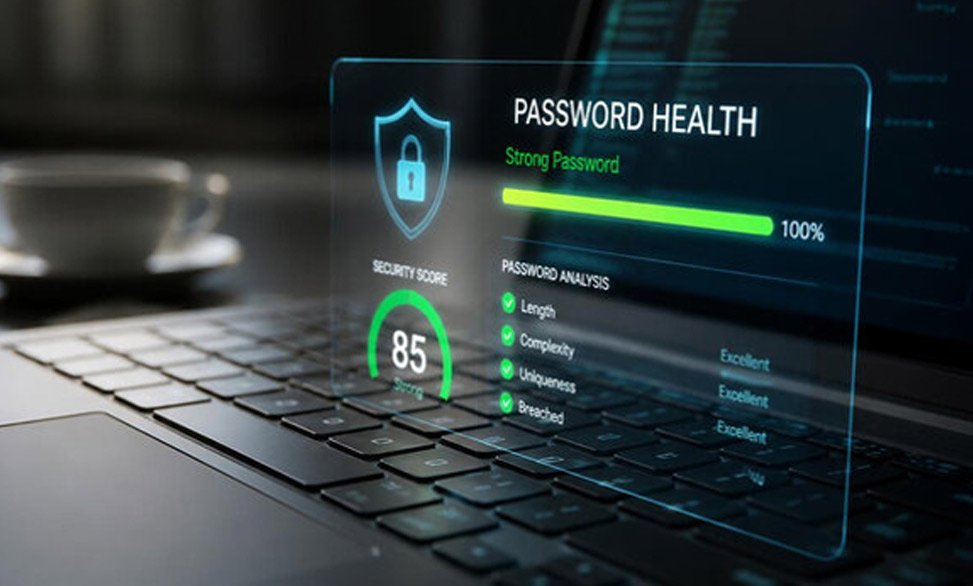
It’s a big security error to use the same password with multiple online accounts. When somebody hacks into one poorly secured site, the hacker will immediately use your stolen ID on your secure banking accounts. This dangerous domino effect ruins your digital life in minutes. A long and unique password is required for each platform you log in to, to ensure the overall security is upheld.
Sneaky App Permissions
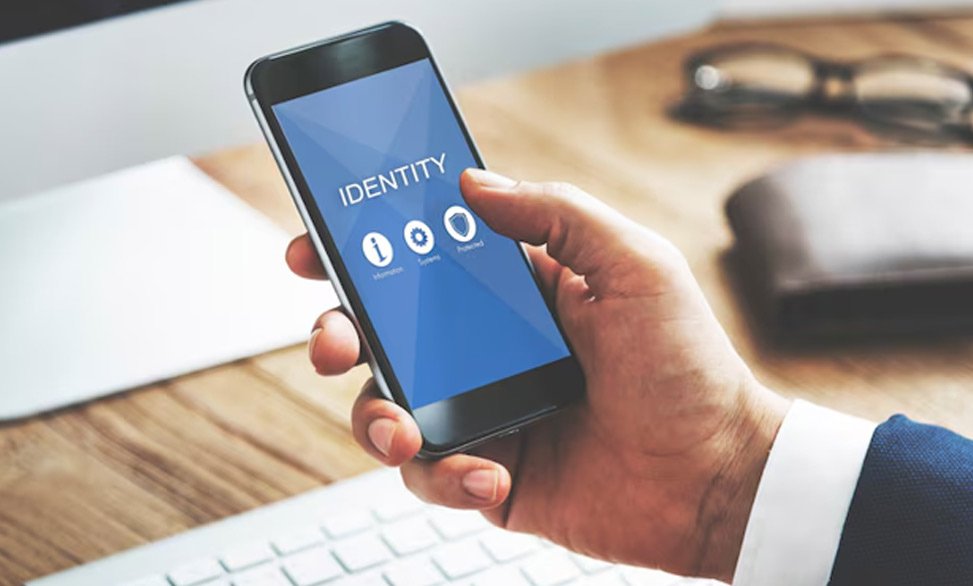
There are a lot of smartphone apps that tell you that they need access to your phone camera and private contact list when you install them. Simple games don’t require your location for navigation apps do. App developers may also be able to harvest private data all the time, if you give them background permissions. You should make a conscientious effort to inspect the security settings on your phone and revoke access for any application that doesn’t require access.
Outdated Software Vulnerabilities
Digital devices that are not kept up to date with regular software updates are entirely at the mercy of new cyberattacks. Developers constantly release vital security patches to fix hidden weaknesses in your operating system. Hackers exploit these critical updates and are able to easily bypass your basic security when you delay. By enabling automatic device updates, you always have the most up-to-date software security to fight new online threats.
Conclusion
Safeguarding one’s online privacy is an ongoing effort and very proactive. Today’s internet has many background trackers and shrewd scams that are constantly trying to compromise your information. You create a solid defense by keeping your public Web connections secure and carefully controlling what you share. App permissions are a further aspect of your safety as an app owner. These changes you make every day will keep your personal information just as secure as ever.