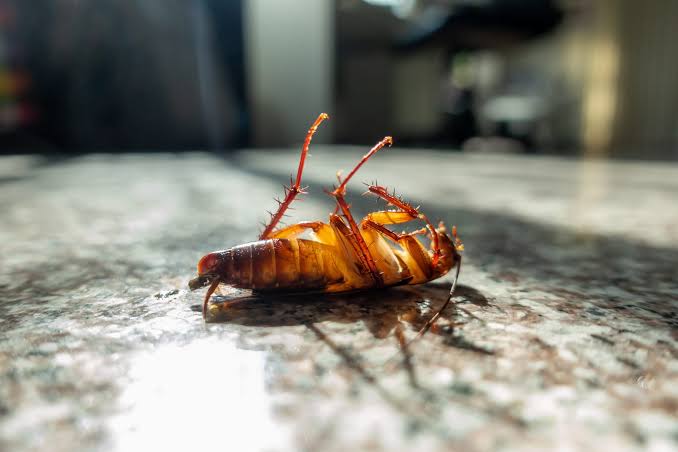
Cockroach Control Solutions for Managing Infestations and Reducing Future Activity

Cockroaches are among the most persistent pests that can affect homes, workplaces, storage areas, and other buildings. They are highly adaptable insects that can survive when food, moisture, warmth, and shelter are available. Their ability to hide in narrow cracks, behind appliances, inside cabinets, beneath sinks, and around plumbing can make an infestation difficult to identify and manage. A single visible cockroach does not always reveal the full extent of an infestation because many cockroaches remain hidden during daylight hours. Effective cockroach control requires more than treating visible insects because successful management also involves reducing food sources, controlling moisture, improving sanitation, sealing entry points, and monitoring areas where activity is likely to occur. By combining immediate management with long-term preventive practices, property owners can create conditions that are less suitable for cockroaches and reduce the possibility of recurring pest problems.
Understanding Cockroach Behavior
Understanding how cockroaches behave can make pest prevention more practical and effective. These insects generally prefer dark, protected, and undisturbed areas where food and moisture are readily available. Kitchens, bathrooms, utility spaces, storage areas, cabinets, and locations around appliances can provide suitable conditions. Cockroaches are often active at night, which means people may not notice them during normal daytime activities. They can move through small openings around walls, floors, plumbing connections, doors, and other structural areas. Some species can also travel between different parts of a building while searching for food or water. Because their behavior allows them to remain hidden for long periods, cockroach control should focus on both visible signs and environmental conditions that may support an infestation.
Recognizing Signs of an Infestation
Identifying an infestation early can provide an opportunity to address the problem before activity becomes more extensive. Live cockroaches are an obvious warning sign, but they are not the only evidence that may be present. Small dark droppings can sometimes be found inside cabinets, drawers, corners, storage spaces, and other areas where cockroaches travel. Egg cases, shed skins, unpleasant odors, dead insects, and unusual marks around food packaging may also indicate activity. Property owners should inspect dark and less frequently disturbed spaces, particularly near food, water, and warmth. Repeated sightings during the day may deserve particular attention, although the severity of an infestation cannot be determined from one observation alone. Recognizing several signs together can help determine whether further inspection or professional assistance is appropriate.
Maintain Proper Sanitation
Good sanitation is one of the most important parts of managing conditions that attract cockroaches. Food crumbs, grease, spills, and residue can provide accessible sources of nourishment even when a property appears generally clean. Kitchen surfaces should be cleaned regularly, while floors beneath appliances and furniture should not be neglected. Dishes should be washed promptly rather than being left with food residue for long periods. Food preparation areas should receive additional attention after cooking, particularly when oils, sauces, or sugary substances have been used. Waste should also be stored in suitable containers and removed regularly. Cleaning alone may not eliminate an established infestation, but reducing available food can make the environment less supportive of cockroaches. Consistent sanitation therefore provides an important foundation for cockroach control and complements other pest management measures.
Store Food Securely
Accessible food can encourage cockroaches to remain active, particularly when food is left uncovered or stored in damaged packaging. Dry goods should be kept in suitable sealed containers, while perishable products should be handled and stored according to appropriate food-safety practices. Open packages should not be left unattended for long periods, and crumbs should be removed from counters, tables, floors, and storage shelves. Pet food can also become a source of nourishment, so feeding areas should be cleaned regularly and uneaten food should not be left exposed unnecessarily. Pantry shelves should be inspected periodically for spills, damaged packaging, expired products, and signs of pest activity. Keeping food properly stored reduces the resources available to cockroaches and makes cockroach control more effective as part of a broader prevention strategy.
Control Moisture and Leaks
Cockroaches need access to moisture, making water management an important consideration when dealing with persistent activity. Leaking faucets, damaged pipes, condensation, dripping appliances, blocked drains, and damp areas beneath sinks can create favorable conditions. Plumbing connections should be inspected regularly, particularly when unexplained moisture or unpleasant odors are noticed. Leaks should be repaired promptly, while standing water should be removed whenever possible. Bathrooms, kitchens, utility areas, and other moisture-prone spaces should receive regular attention. Improving ventilation may also help manage excessive humidity in suitable areas. Reducing available moisture can make the environment less favorable for cockroaches and strengthen cockroach control by addressing one of the basic resources these insects need to survive.
Reduce Clutter and Hiding Places
Cockroaches prefer concealed spaces where they can remain undisturbed, so unnecessary clutter can make an infestation harder to identify and manage. Cardboard boxes, paper piles, old packaging, unused containers, and crowded storage areas can create convenient hiding places. Storage should be organized so that walls, floors, corners, and other surfaces remain accessible for inspection and cleaning. Unnecessary materials should be removed rather than being stored indefinitely. Particular attention should be given to areas beneath sinks, behind refrigerators, around ovens, inside cabinets, and near utility connections. Keeping these areas organized improves visibility and can make signs of activity easier to detect. Reducing clutter supports cockroach control by limiting sheltered spaces and making it easier to identify areas that may require further inspection or treatment.
Seal Structural Openings
Cockroaches can move through small gaps and openings, allowing them to travel between rooms or enter buildings from surrounding areas. Cracks around walls, floors, foundations, doors, windows, pipes, vents, and utility openings should be inspected regularly. Damaged seals and gaps around plumbing connections can also create pathways into cabinets and wall cavities. Appropriate repairs and sealing can reduce access points and limit movement when combined with sanitation and moisture management. Doors should close properly, while damaged screens and other barriers should be repaired when necessary. Structural exclusion should be viewed as one part of a broader prevention plan rather than a standalone solution. Reducing access points can strengthen cockroach control by making it harder for pests to move toward food, water, and sheltered areas.
Inspect High-Risk Areas
Certain areas deserve more frequent inspection because they can provide the resources cockroaches need. Kitchens, bathrooms, food storage areas, utility rooms, cabinets, spaces beneath sinks, and locations behind appliances should be checked periodically. Property owners should look for droppings, egg cases, unusual odors, live insects, shed skins, and other signs. Areas that remain dark or undisturbed for long periods can be particularly important because cockroaches may use them as hiding places. Inspections should also consider recent changes, such as a plumbing leak, renovation, food storage issue, or accumulation of clutter. Regular monitoring can help identify developing activity before it becomes more difficult to manage. Consistent inspection supports cockroach control by providing information about where pests may be active and what environmental conditions could be contributing to the problem.
Manage Waste Carefully
Poorly managed waste can provide cockroaches with additional food sources and shelter. Garbage containers should be emptied regularly and kept closed when practical. Food residue around bins should be cleaned promptly, and damaged containers should be repaired or replaced. Recycling areas also deserve attention because cans, bottles, containers, and packaging may retain food or beverage residue. Indoor rubbish should not be allowed to accumulate unnecessarily, particularly in kitchens and other areas where food is prepared. Outdoor waste storage should also be maintained because cockroaches may find food and shelter around poorly managed rubbish. Effective waste management removes accessible resources and supports cockroach control by creating an environment that is less attractive to insects searching for nourishment.
Monitor Activity Regularly
Monitoring can provide valuable information about whether pest activity is increasing, decreasing, or returning after previous treatment. Property owners should record repeated sightings and pay attention to where cockroaches are appearing. Monitoring devices may also help identify activity in locations that are difficult to inspect visually. Areas around food storage, plumbing fixtures, appliances, and dark storage spaces may require particular attention. If activity continues in the same location, this may indicate that food, water, shelter, or an access point remains available. Monitoring should continue even after visible activity decreases because cockroaches can remain hidden. Regular observation supports cockroach control by helping property owners recognize patterns and determine when additional inspection or management may be necessary.
Use Pest Treatments Responsibly
Treatment may be necessary when sanitation, exclusion, and environmental improvements are not enough to manage an established infestation. The appropriate approach depends on the type of cockroach, location, severity of activity, and surrounding conditions. Any pest-control product should be used according to its label instructions and safety requirements. Excessive application does not necessarily provide better results and can create unnecessary exposure. Particular care should be taken around children, pets, food, food preparation surfaces, and sensitive areas. In many situations, treatment is more effective when combined with sanitation, moisture control, structural repairs, and monitoring. Responsible treatment is one component of cockroach control, but long-term success depends on addressing the environmental conditions that allow cockroaches to survive and reproduce.
Avoid Focusing Only on Visible Insects
A reduction in visible cockroaches does not always mean that an infestation has been completely resolved. These insects can remain hidden inside wall cavities, cabinets, appliances, storage spaces, and other difficult-to-access areas. Some may remain inactive or concealed while conditions continue to support their survival. For this reason, property owners should look beyond visible insects and continue checking for droppings, egg cases, odors, shed skins, and recurring activity. Repeated sightings from the same location can provide important information about a possible harborage area. Simply treating individual insects without investigating the surrounding conditions may provide only temporary results. A broader approach to cockroach control considers hidden activity, environmental resources, structural access, and long-term prevention rather than focusing exclusively on insects that can be seen.
Protect Storage and Pantry Areas
Storage areas can become vulnerable to pest activity when food products are kept for long periods without regular inspection. Pantry shelves should be cleaned periodically, while damaged or expired products should be removed. Food packaging should be checked for signs of damage, contamination, or pest activity. Shelves should remain organized so that corners and surfaces can be inspected easily. Spills should be cleaned immediately, particularly inside cabinets where residue can remain unnoticed. Bulk food should be stored in appropriate sealed containers that reduce insect access. Maintaining organized storage areas makes it easier to detect unusual signs and reduces available food sources. These practices support cockroach control by limiting nourishment and making potential pest activity easier to identify at an earlier stage.
Consider Professional Pest Management
Persistent cockroach activity may require professional assessment, particularly when pests continue appearing despite routine cleaning and maintenance. Pest specialists can inspect the property, identify potential harborage areas, assess moisture and sanitation conditions, and determine possible routes of movement. They may also identify structural weaknesses that are difficult to notice during routine cleaning. Professional assessment can be particularly useful when cockroaches are appearing repeatedly in multiple rooms or when activity seems to originate from concealed areas. Property owners should provide clear information about where insects have been seen and how frequently activity occurs. Combining professional expertise with regular property maintenance can make cockroach control more systematic and can help address both current activity and the environmental conditions that contribute to recurring infestations.
Develop a Long-Term Prevention Routine
Long-term prevention should become part of regular property maintenance rather than something performed only after cockroaches become visible. A practical routine can include cleaning food preparation areas, managing waste, checking plumbing for leaks, inspecting storage areas, reducing clutter, sealing structural gaps, and monitoring high-risk locations. Previous problem areas should receive additional attention because conditions that supported an earlier infestation may return. Property owners should also respond promptly to new moisture problems, damaged seals, food-storage issues, or structural changes. Household members and employees can contribute by reporting signs of activity quickly rather than ignoring them. Consistent prevention combines multiple small actions into a stronger overall strategy. A regular cockroach control routine can help reduce the conditions that support infestations and improve the likelihood of maintaining a cleaner environment over time.
Final Thoughts
Managing cockroaches effectively requires more than treating insects when they become visible. These pests can remain hidden in cracks, cabinets, appliances, plumbing spaces, storage areas, and other protected locations, making environmental management an essential part of prevention. Reducing food and water sources, maintaining proper sanitation, controlling moisture, organizing storage areas, removing clutter, sealing structural gaps, and monitoring high-risk locations can all contribute to better pest management. When activity persists or the source of an infestation is difficult to identify, professional inspection can provide additional guidance and treatment options. The goal should be to address both visible activity and the conditions that allow cockroaches to survive. A consistent cockroach control strategy can help reduce recurring infestations, protect food and property, and support a cleaner, more comfortable environment for the long term.