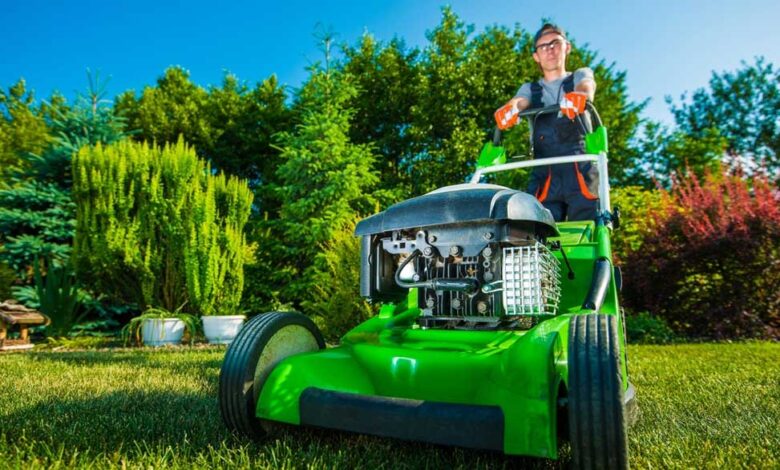
Electric Lawn Mower Wet-Grass Considerations: Planning Cuts Around Weather Conditions

An electric lawn mower can make routine mowing quieter, cleaner, and easier to schedule, but weather still determines when the job should happen. Grass that looks only slightly damp can behave very differently under a mower deck, particularly after overnight rain or a short summer shower. Knowing when to delay a cut protects the turf, improves mowing results, and reduces unnecessary strain on equipment.
For homeowners comparing mowing options or planning a regular maintenance routine, an electric lawn mower should be treated as part of a broader lawn-care system. The mower matters, but so do soil conditions, grass height, rainfall, temperature, and the forecast for the next several hours.
Why Wet Grass Changes the Mowing Job
Wet grass does not stand and cut the same way dry grass does. Moisture makes individual blades heavier and more likely to bend beneath the mower deck instead of remaining upright as the blade passes.
The result can be uneven cutting, clumping, and visible tire or wheel tracks. Wet clippings can also accumulate underneath the deck or around the discharge area, making the mowing process less efficient.
University of Minnesota Extension specifically recommends delaying mowing when grass is wet because dry turf provides better footing and is less likely to clog the mower. (University of Minnesota Extension)
How to Decide Whether the Lawn Is Ready to Mow
The simplest test is physical rather than calendar-based: walk across a representative section of the lawn before starting.
If shoes become noticeably damp, footprints remain visible, or the soil feels soft underfoot, conditions may not be suitable. A lawn can look relatively dry from a distance while retaining substantial moisture near the soil surface.
Use the grass and soil as indicators
Before mowing, check:
- Whether grass blades are visibly wet
- Whether the soil gives noticeably underfoot
- Whether water remains in low areas
- Whether the mower wheels would leave deep impressions
- Whether additional rain is expected soon
Waiting a few hours can make a meaningful difference, particularly on lawns exposed to morning shade.
Rain Forecasts Should Influence Your Mowing Schedule
A common mistake is treating the weather forecast as an afterthought. Experienced lawn maintenance is often less about finding a fixed mowing day and more about identifying the best several-hour window.
If rain is expected later, mowing shortly before the storm may seem efficient. However, cutting immediately before heavy rainfall can leave freshly cut turf exposed to another period of moisture. If the lawn is already damp, postponing the job may be the better choice.
The goal is not simply to finish mowing as quickly as possible. It is to choose a period when the grass, soil, and weather are reasonably favorable.
The Difference Between Damp Grass and Saturated Soil
Not every moisture condition presents the same problem.
Light dew on grass blades is different from soil saturated by several inches of rainfall. A lawn may become surface-dry relatively quickly while remaining soft underneath.
A simple three-condition decision
Slightly damp grass: Wait if practical, particularly if the mower begins leaving clumps.
Wet grass with firm soil: Conditions may improve rapidly after sun and airflow return, so reassess rather than automatically mowing.
Wet grass with soft soil: Delay the cut. Repeated wheel traffic can damage turf and compact soil.
Wet soil is especially vulnerable to compaction because pressure reduces pore space and affects water and air movement through the soil. (University of Minnesota Extension)
Why Mowing Wet Turf Can Affect Lawn Quality
The biggest concern is not necessarily the mower itself. It is what repeated traffic does to the lawn.
When wheels travel over soft ground, they can flatten grass and create tracks. On compacted areas, drainage and root development can also become more difficult.
Wet mowing may also produce uneven clipping distribution. Instead of dispersing naturally, moist grass can form piles that shade the turf underneath.
For homeowners who want a consistently even appearance, waiting for the lawn to dry is often more useful than trying to compensate with additional mowing passes.
Choose Between Waiting and Mowing Based on the Situation
There are times when postponing mowing is clearly practical, and others when a short delay could interfere with a larger maintenance schedule.
Consider the following:
| Condition | Practical approach |
| Heavy overnight rain | Wait until grass and soil firm up |
| Light morning dew | Allow the lawn to dry |
| Brief shower followed by sun | Reassess after several hours |
| Continued rainfall | Postpone mowing |
| Soft or muddy soil | Avoid mowing |
| Dry grass with stable weather | Normal mowing window |
The key is to distinguish grass moisture from soil saturation. A little surface moisture may disappear quickly; saturated soil requires more patience.
Adjust Mowing Technique When Conditions Are Marginal
When the lawn is almost ready but still slightly damp, technique becomes important. If the grass is tall, avoid trying to remove a large amount of growth in one pass.
Set the cutting height appropriately and avoid repeatedly driving over the same area. Sharp blades are also important because cleanly cut grass generally performs better than grass torn by a dull blade. (University of Minnesota Extension)
If clippings begin collecting under the deck or forming rows, stop rather than repeatedly forcing the mower through the same wet material.
Always follow the mower manufacturer’s instructions for cleaning, inspection, battery handling, and operating conditions.
Plan Around Heat, Humidity, and Drying Time
Weather planning is not limited to rainfall. Temperature, humidity, wind, and sunlight all influence how quickly a lawn dries.
A shaded lawn surrounded by trees may remain wet long after an exposed section has dried. Likewise, a humid morning can keep dew on the grass longer than a breezy, sunny morning.
A practical routine is to identify the portions of the yard that dry fastest and slowest. If one section consistently remains wet, schedule mowing later in the day when conditions allow rather than forcing the entire lawn into an unsuitable morning window.
Never Trade Weather Safety for a Finished Lawn
There is one weather condition where postponement should not be a judgment call: thunderstorms.
The National Weather Service advises people to move indoors when thunder is heard because lightning can strike outside the immediate rainfall area. It recommends waiting at least 30 minutes after the last thunder before resuming outdoor activities. (National Weather Service)
That means a mower should never be used simply because the rain has stopped if thunderstorm activity remains nearby.
National Weather Service lightning safety guidance
A Practical Weather-Based Mowing Routine
Instead of choosing a fixed mowing day regardless of conditions, use a simple decision process.
The day before: Check the forecast and identify likely rain or thunderstorms.
Before mowing: Walk the lawn and check grass moisture, soil firmness, and standing water.
During mowing: Watch for clumping, wheel tracks, poor traction, or inconsistent cutting.
If conditions deteriorate: Stop rather than trying to finish the final section.
After mowing: Remove accumulated wet clippings and follow the equipment manufacturer’s cleaning and storage guidance.
This approach turns weather into part of the maintenance schedule rather than an obstacle encountered halfway through the job.
Common Wet-Grass Mowing Mistakes to Avoid
Several habits repeatedly create avoidable problems:
- Mowing because the calendar says it is time: Grass growth does not follow a fixed schedule when weather changes.
- Assuming electric means weather-proof: Electric equipment still has specific operating and maintenance requirements.
- Ignoring soil firmness: Soft soil can suffer damage even when the grass itself appears manageable.
- Making repeated passes: Extra traffic can worsen tracks and compaction.
- Cutting immediately after heavy rain: Give the lawn time to drain and firm up.
- Continuing when thunderstorms approach: Outdoor mowing should stop when lightning risk develops.
The most effective mowing schedule is therefore flexible. A 24-hour delay is usually less consequential than creating damaged tracks or cutting through conditions that produce poor results.
Frequently Asked Questions About Electric Lawn Mowers and Wet Grass
Can you use an electric lawn mower on wet grass?
It is generally better to wait until grass is dry and the soil is firm. Wet conditions can reduce traction, encourage clumping, and make mowing less effective.
How long should grass dry after rain before mowing?
There is no universal number of hours. Drying time depends on rainfall, temperature, humidity, sunlight, wind, grass density, shade, and soil type. Test the lawn rather than relying only on the clock.
Is morning dew enough to postpone mowing?
If the grass is heavily coated with dew, waiting can improve cutting performance. Once the blades and surface dry, mowing conditions are usually more favorable.
What should you do if rain starts while mowing?
If conditions become slippery or the grass begins clumping heavily, stop and move the mower to a suitable storage location according to the manufacturer’s instructions. If thunder is heard, go indoors immediately and follow National Weather Service lightning guidance.
Does wet soil matter as much as wet grass?
Yes. Soft soil can be more damaging than slightly damp grass because mower wheels can create tracks and contribute to soil compaction. If your footing feels unstable or the wheels sink noticeably, wait.
Let Weather Become Part of the Lawn-Care Strategy
Good mowing is not simply about cutting grass at a particular height on a particular day. It is about recognizing when the lawn is ready to be worked.
For electric mower owners, that means watching rainfall, drying conditions, soil firmness, grass moisture, and storm development before starting. A short delay can prevent clumping, uneven cuts, wheel tracks, and unnecessary stress on the turf.
The best mowing routine is therefore responsive rather than rigid: inspect the lawn, read the weather, choose a workable window, and let conditions—not the calendar—determine when the mower goes out.