
Austin’s reputation as a cultural hub extends beyond live music and tech startups. The city’s adult entertainment venues have quietly influenced local fashion aesthetics and nightlife dynamics for decades, creating ripple effects that reach far beyond Sixth Street. These establishments function as unexpected laboratories for style experimentation, where bold visual choices and theatrical presentation intersect with mainstream culture in ways that often go unexamined.
The evolution of gentlemen’s clubs in Austin mirrors broader shifts in American nightlife. What began as underground establishments in the mid-20th century gradually transformed into prominent entertainment venues that now occupy a recognized space in the city’s cultural landscape. These venues have long served as incubators for fashion innovation, dating back to vaudeville-era performance spaces that challenged conventional dress codes.
The relationship between these venues and Austin’s broader fashion scene operates through a process of aesthetic cross-pollination. Performers and patrons alike adopt daring silhouettes, unconventional color palettes, and statement accessories that eventually filter into street style and local boutiques. This influence extends to the city’s thriving vintage and custom clothing markets, where elements of performance wear—sequined fabrics, dramatic cuts, platform footwear—have become staples of Austin’s eclectic fashion identity.
Fashion Elements Born from Performance Culture
The visual language of Austin’s adult entertainment venues has contributed specific aesthetic trends to the city’s fashion ecosystem. These aren’t simply costumes confined to stage performances; they represent a broader embrace of theatrical self-expression that characterizes Austin’s approach to personal style.
Key fashion elements that have gained traction include:
- Maximalist Color Theory: The strategic use of neon accents, metallic finishes, and high-contrast color blocking has moved from stage lighting considerations into everyday streetwear, particularly in East Austin’s fashion-forward neighborhoods.
- Architectural Accessories: Oversized jewelry, geometric earrings, and sculptural pieces that command attention have become signatures of Austin style, influenced by the need for accessories that read clearly under stage lighting.
- Performance Footwear: Platform heels and distinctive boots designed for extended wear have influenced local shoe designers and vintage collectors, creating a market for footwear that balances drama with functionality.
- Body-Conscious Tailoring: Form-fitting garments with strategic cutouts and unconventional construction have inspired local designers to experiment with silhouettes that challenge traditional modesty standards.
These trends don’t exist in isolation. Austin’s fashion scene has always drawn from diverse subcultures—from country western to punk rock—and adult entertainment venues represent another thread in this complex cultural tapestry. Local designers frequently cite the confidence and body positivity associated with performance culture as inspiration for collections that celebrate diverse body types and self-expression.
Economic Footprint in Austin’s Entertainment Corridor
Beyond cultural influence, adult entertainment venues represent a significant economic force in Austin’s hospitality sector. These businesses operate within a complex regulatory environment while contributing measurably to local employment and tax revenue. Adult entertainment venues generate substantial economic activity through direct operations and secondary spending. You can learn more from this detailed journal article.
The economic impact manifests in several ways:
- Employment Diversity: These venues employ performers, security personnel, bartenders, DJs, management staff, and support workers, creating jobs across skill levels and backgrounds in a city where cost of living continues to rise.
- Tourism Infrastructure: Bachelor and bachelorette parties, convention attendees, and tourists contribute to occupancy rates at nearby hotels and patronage at surrounding restaurants, creating economic interdependencies throughout entertainment districts.
- Real Estate Dynamics: The presence of established venues influences property values and development patterns in areas like downtown and North Austin, contributing to the ongoing conversation about gentrification and neighborhood character.
- Municipal Revenue: Business licenses, property taxes, and sales tax revenue from these establishments fund city services, though exact figures remain difficult to isolate from broader hospitality sector data.
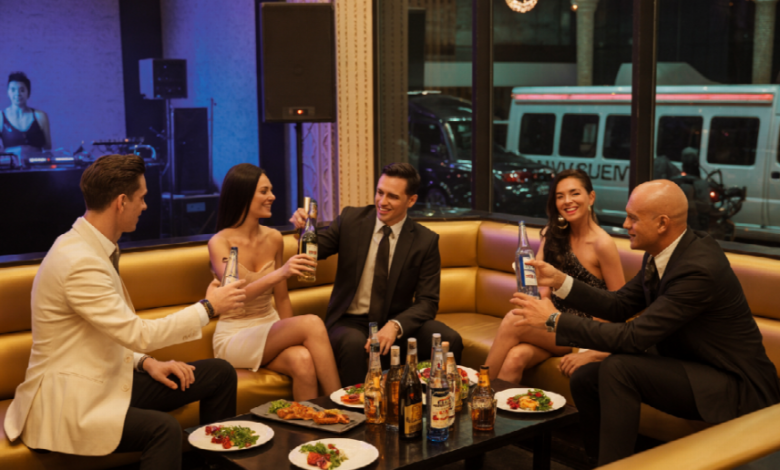
The economic relationship between adult entertainment and Austin’s broader economy remains complex. While these venues undeniably generate revenue and employment, they also exist within ongoing debates about land use, neighborhood identity, and the direction of Austin’s growth. Some establishments, like Palazio or the Yellow Door, position themselves as upscale alternatives that emphasize hospitality and production value, attempting to shift perceptions of what these venues can offer.
Navigating Nightlife Safety in Austin’s Entertainment Districts
Safety considerations apply to all nightlife activities in Austin, from live music venues to bars and adult entertainment establishments. The city’s entertainment districts present unique challenges related to alcohol consumption, late-night transportation, and personal security that require practical planning.
Evidence-based safety practices include:
- Arranging transportation before consuming alcohol—ride-sharing services, designated drivers, or Austin’s limited late-night public transit options all require advance consideration given the city’s sprawling geography.
- Maintaining awareness of personal belongings and surroundings, particularly in crowded venues where theft opportunities increase.
- Setting consumption limits before entering venues and alternating alcoholic drinks with water to maintain decision-making capacity.
- Traveling in groups when possible, which research from the National Highway Traffic Safety Administration shows reduces risk of impaired driving and other safety incidents.
- Keeping mobile devices charged and accessible for navigation, communication, and emergency contact.
- Familiarizing yourself with venue layouts, including exit locations and staff positions, upon arrival.
Reputable venues implement their own safety protocols, including trained security staff, surveillance systems, and clear policies regarding patron behavior. These measures create environments where entertainment can occur with reduced risk, though individual responsibility remains paramount. Austin’s entertainment districts also benefit from increased police presence during peak hours, though this varies by neighborhood and has sparked ongoing discussions about policing approaches in nightlife areas.
Cultural Integration and Ongoing Influence
The relationship between Austin’s adult entertainment venues and the city’s broader cultural identity continues to evolve. As Austin grapples with rapid growth, rising costs, and debates about what defines its character, these establishments represent one element of the city’s complicated relationship with its “Keep Austin Weird” ethos.
Fashion trends that originated in performance spaces now appear in mainstream retail. The body positivity and self-expression championed by performers influences conversations about representation in local media and advertising. Economic contributions from these venues support city services while raising questions about development priorities and neighborhood preservation.
What remains clear is that adult entertainment venues occupy a more complex position in Austin’s cultural landscape than simple categorization allows. They function simultaneously as businesses, cultural influencers, and lightning rods for broader debates about the city’s identity. Understanding their multifaceted impact requires moving beyond simplistic judgments to examine the actual ways these establishments shape fashion, economics, and social dynamics in one of America’s fastest-growing cities.
For residents and visitors alike, engaging thoughtfully with Austin’s nightlife—including its adult entertainment options—means recognizing both the cultural contributions and practical considerations these venues represent. Whether influencing what Austinites wear, where they work, or how they navigate safety in entertainment districts, these establishments remain woven into the fabric of a city still defining what it wants to become.