Choosing the Right Plumbing Fixtures: Everything Homeowners Should Know Before Installation

Choosing the right components for a plumbing system can make a significant difference in comfort, convenience, water efficiency, and long-term maintenance. Sinks, faucets, toilets, showers, bathtubs, valves, and other components all serve specific purposes and need to work properly with the existing water supply and drainage system. Selecting products based only on appearance or initial price can sometimes lead to compatibility problems, inefficient water use, or premature replacement. Understanding the available options before beginning a renovation or installation allows homeowners to make more informed decisions. Quality plumbing fixtures can contribute to a functional and attractive space while supporting reliable performance for years when they are properly selected, installed, and maintained.
Understanding the Role of Plumbing Fixtures
Plumbing fixtures are the visible and functional components that allow people to access and control water throughout a building. Unlike hidden pipes that transport water behind walls and under floors, fixtures are the parts people interact with every day. Faucets control water flow, sinks provide convenient washing areas, toilets manage waste removal, and showers deliver water for bathing. Because these components are used frequently, their design, quality, and durability can directly influence everyday comfort. Good plumbing fixtures should provide reliable performance while fitting appropriately with the plumbing connections already installed in the property.When selecting fixtures, homeowners should consider more than style. Dimensions, connection types, water pressure requirements, installation methods, materials, maintenance needs, and expected usage can all influence whether a particular product is appropriate. A fixture that looks attractive in a showroom may not work properly if it is incompatible with the existing plumbing system. Taking measurements and checking technical specifications before purchasing can prevent many installation problems. Planning ahead is especially important when replacing older fixtures because newer models may have different connection requirements or dimensions than the products they replace.
Common Types of Plumbing Fixtures
There are many different types of fixtures available, and each one is designed for a specific function. Bathroom fixtures commonly include toilets, sinks, faucets, showers, bathtubs, bidets, and related accessories. Kitchens often feature sinks, faucets, filtration taps, and specialized water outlets. Utility areas may include laundry sinks, service faucets, and other fixtures designed for practical tasks. Understanding the purpose of each fixture helps homeowners determine which features are actually necessary instead of selecting products based solely on appearance or marketing claims.Faucets are available in many configurations, including single-handle, double-handle, pull-out, pull-down, wall-mounted, and touch-activated designs. Toilets can differ in bowl shape, flushing technology, installation style, and water consumption. Shower systems may include fixed showerheads, handheld units, multiple outlets, thermostatic controls, or pressure-balancing valves. These choices can affect both the user experience and installation requirements. Before purchasing plumbing fixtures, it is useful to compare the available designs and determine which features provide genuine benefits for the intended space.
Choosing Fixtures Based on Quality
Quality is an important consideration because fixtures are exposed to water, pressure, cleaning products, and frequent use. Lower-cost products may sometimes provide acceptable performance, but material quality and construction can vary considerably. Durable finishes, reliable internal components, strong connections, and quality seals can contribute to longer service life. When evaluating plumbing fixtures, homeowners should review product specifications and warranty information instead of relying only on appearance or price. A product with a slightly higher initial cost may provide better long-term value if it performs reliably and requires fewer repairs or replacements.The material used in a fixture can also affect durability and maintenance. Different metals, composites, ceramics, and engineered materials are used in modern plumbing products. Finishes may range from polished surfaces to brushed or matte coatings, each with different cleaning requirements and resistance characteristics. Homeowners should choose materials that suit the expected level of use and the conditions in the room. Proper cleaning and maintenance are also essential because even high-quality fixtures can deteriorate when exposed to unsuitable cleaning products or prolonged neglect.
Considering Water Efficiency
Water efficiency has become an increasingly important consideration when selecting fixtures. Toilets, faucets, and showerheads can be designed to provide effective performance while using less water than older models. Efficient products may help reduce unnecessary water consumption without sacrificing basic functionality. When comparing plumbing fixtures, homeowners can review water-use specifications and look for products designed according to recognized efficiency standards. Choosing efficient models can be particularly beneficial in properties where water conservation and operating costs are important considerations.However, water efficiency should not be evaluated solely by the lowest possible consumption rate. A fixture also needs to provide adequate performance for its intended purpose. A faucet with very low flow may not provide a comfortable experience, while a showerhead should provide sufficient coverage and pressure for the user’s preferences. The goal is to find a practical balance between water conservation and usability. Comparing flow rates, performance information, and user requirements can help homeowners select fixtures that are both efficient and functional.
Matching Fixtures to the Space
The size and layout of a room can influence which fixtures are appropriate. A large bathroom may accommodate a double sink, freestanding bathtub, or larger shower enclosure, while a compact bathroom may require a wall-mounted sink or smaller fixture design. The placement of plumbing connections also affects installation possibilities. Before purchasing plumbing fixtures, homeowners should measure available wall space, counter areas, clearances, and connection points carefully. Incorrect measurements can lead to fixtures that do not fit properly or interfere with doors, cabinets, appliances, or other features.Ergonomics should also be considered. A sink should be positioned at a comfortable height, while faucets should be easy to operate and provide enough clearance for washing hands or filling containers. Shower controls should be accessible without requiring users to stand directly under the water stream when turning the system on. Toilets and other fixtures need adequate clearance for comfortable use and maintenance. Thoughtful planning can improve the usability of a room and prevent inconvenient modifications after installation.
Style and Design Considerations
Although functionality should be a priority, appearance also matters because plumbing fixtures can significantly influence the overall design of a bathroom or kitchen. Modern fixtures are available in numerous shapes, colors, finishes, and design styles. Homeowners can select traditional, contemporary, minimalist, industrial, or transitional designs depending on the appearance they want to create. Coordinating faucets, handles, shower components, and other visible elements can create a more cohesive look.It is important, however, not to choose fixtures based exclusively on current design trends. A style that looks fashionable today may become less appealing over time, while replacement parts may be harder to find for unusual or discontinued designs. Choosing established products from reputable manufacturers can make future maintenance easier. When purchasing plumbing fixtures, homeowners should consider whether replacement cartridges, handles, seals, and other service components are likely to remain available. Long-term practicality can be just as important as initial visual appeal.
Checking Compatibility Before Installation
Compatibility is one of the most important factors to verify before purchasing any fixture. The fixture must work with the existing plumbing connections, water pressure, drainage configuration, and available space. Some faucets require specific mounting holes, while certain sinks and toilets have particular connection or rough-in requirements. Shower systems can also have specific valve and piping requirements. Failing to verify these details before purchase can result in additional labor, replacement parts, or modifications to the plumbing system.Homeowners should carefully review installation instructions and product specifications before committing to a purchase. If the existing plumbing system is old or unusual, professional advice can be useful before selecting new fixtures. A qualified plumber can determine whether the current connections are suitable or whether modifications will be required. Proper planning before installation can reduce unexpected costs and help ensure that the finished installation performs as intended.
The Importance of Professional Installation
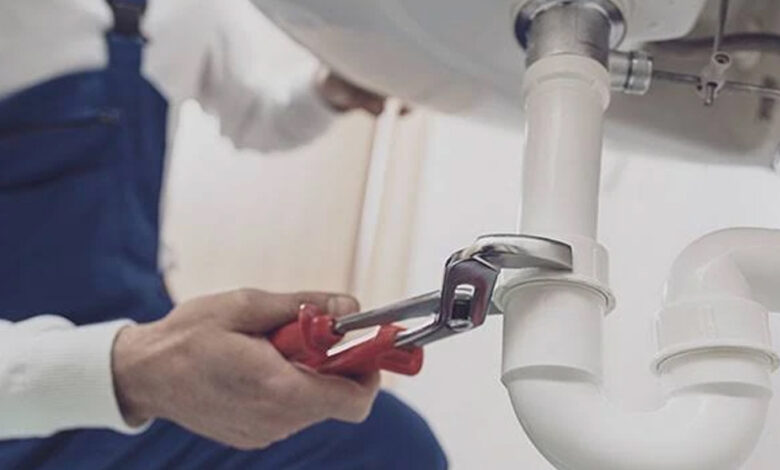
Some basic fixture replacements may be manageable for experienced homeowners, but complex installations can involve water supply connections, drainage, valves, seals, and other components that require technical knowledge. Improper installation can result in leaks, poor drainage, unstable fixtures, or damage to surrounding materials. Professional installation can help ensure that plumbing fixtures are connected correctly and tested before the system is returned to normal use. A professional can also identify problems with existing pipes or valves that may not be obvious during a simple replacement.Proper sealing is especially important around connections and fixtures. Even a small leak can cause water damage if it remains unnoticed for an extended period. After installation, connections should be checked carefully and the system should be tested under normal operating conditions. If any moisture, dripping, unusual pressure, or drainage problem appears, it should be investigated promptly. Good installation practices can improve reliability and reduce the risk of future repairs.
Maintaining Plumbing Fixtures
Regular maintenance can extend the useful life of fixtures and keep them operating properly. Faucets should be checked for dripping, loose handles, mineral buildup, and changes in water flow. Showerheads may accumulate mineral deposits that restrict openings and reduce performance. Toilets should be monitored for running water, weak flushing, leaks, or unusual sounds. Sinks and drains should also be kept free of buildup that could affect drainage. Routine care helps homeowners identify problems before they become more serious.Cleaning methods should be appropriate for the material and finish of each fixture. Harsh abrasive cleaners can damage certain surfaces, while acidic or highly aggressive products may affect finishes or seals. Manufacturers often provide specific recommendations for cleaning and care. Following those instructions can help preserve the appearance and performance of plumbing fixtures. Simple maintenance performed regularly is often more effective than intensive cleaning or repairs after significant buildup has already developed.
Recognizing Signs of Fixture Problems
Several warning signs can indicate that a fixture needs repair or replacement. Persistent dripping, leaking connections, inconsistent water flow, low pressure, unusual noises, discoloration, or difficulty operating handles may point to worn components. A toilet that runs continuously can waste water and may indicate a problem with the fill valve, flapper, or another internal component. A faucet that becomes difficult to turn may have a worn cartridge or another internal issue.Ignoring these warning signs can allow minor problems to become more expensive. Water leaking around a sink or toilet can damage cabinets, flooring, walls, or other nearby materials if it continues for an extended period. When plumbing fixtures show signs of failure, homeowners should determine whether the problem can be resolved through a simple component replacement or whether the entire fixture has reached the end of its useful life. Professional inspection can be useful when the cause of a problem is unclear.
Balancing Cost and Long-Term Value
Price is naturally an important consideration when planning a renovation or fixture replacement, but the cheapest option is not always the most economical over time. A low-cost fixture may require more frequent repairs, replacement parts, or complete replacement if its components wear out quickly. On the other hand, an expensive designer product may include features that provide little practical benefit for a particular household. The best purchasing decision depends on durability, functionality, compatibility, maintenance requirements, warranty coverage, and expected usage.Homeowners can create a realistic budget by considering both the product cost and installation expenses. Additional costs may include new valves, supply lines, adapters, drainage components, labor, or modifications to surrounding surfaces. Choosing plumbing fixtures with compatible dimensions and connections can sometimes reduce installation complexity. Comparing the total cost of ownership rather than only the purchase price provides a clearer picture of the long-term value of different options.
Preparing for a Fixture Replacement
Before removing an existing fixture, homeowners should identify the location of water shutoff valves and understand how the fixture is connected. The surrounding area should be protected from water, and appropriate tools and replacement components should be available before work begins. Measurements should be confirmed again before purchasing the replacement. These preparation steps can prevent situations where the old fixture has been removed but the new product cannot be installed without additional parts or modifications.The condition of the existing plumbing should also be considered. Old supply lines, valves, connectors, and seals may be worn even if the visible fixture appears to be the only problem. Replacing a fixture without addressing severely deteriorated connections can result in future leaks. A professional assessment may be worthwhile when working with older plumbing systems or when access to connections is difficult. Proper preparation makes the installation process more predictable and reduces the possibility of unexpected complications.
Making a Practical Final Decision
Selecting the right fixture requires a balance between appearance, performance, compatibility, durability, efficiency, and cost. Homeowners should begin by identifying the functional requirements of the space and then narrow down products based on size and connection specifications. After that, factors such as materials, finish, water efficiency, maintenance, warranty, and replacement-part availability can be compared. Taking time to research these details before purchasing plumbing fixtures can prevent expensive mistakes and improve satisfaction with the finished installation.A good fixture should fit naturally into the space, perform its intended function reliably, and remain practical to maintain over time. While design is important, long-term performance should remain a central consideration. Homeowners who carefully evaluate their options can create bathrooms, kitchens, and utility areas that are comfortable, efficient, and visually appealing. When installation requirements are complicated or existing plumbing conditions are uncertain, consulting a qualified professional can provide additional confidence and help ensure that the new fixtures are installed correctly.
Final Thoughts
Choosing the right fixtures is an important part of creating a reliable and comfortable plumbing system. From faucets and sinks to toilets and shower systems, each component should be selected according to the needs of the space, existing plumbing configuration, expected usage, and desired level of performance. Careful planning before installation can prevent compatibility issues, while appropriate maintenance can help extend the useful life of the finished installation. Quality plumbing fixtures can provide dependable everyday performance while also contributing to the appearance and efficiency of a home.The best approach is to consider the complete picture rather than focusing on a single feature such as price or appearance. Homeowners should evaluate dimensions, materials, water efficiency, installation requirements, maintenance needs, warranty coverage, and long-term value before making a final choice. With proper research and professional assistance when necessary, selecting and installing new fixtures can become a straightforward improvement rather than a source of unexpected problems. Thoughtful decisions at the beginning can contribute to a more functional, efficient, and comfortable plumbing system for years to come.