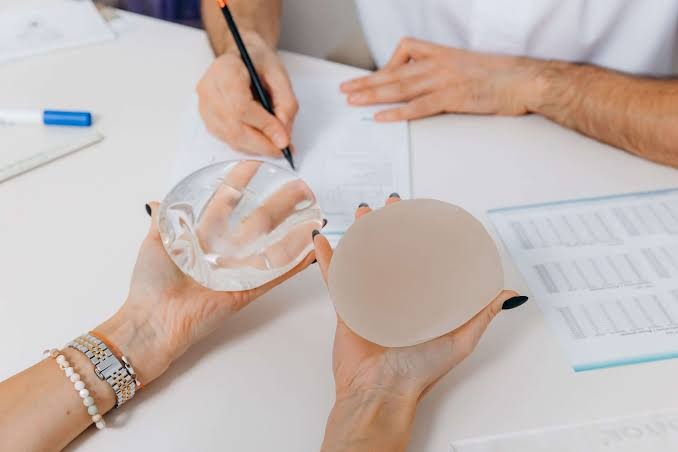

Breast implant removal is one of the faster-growing procedures in cosmetic surgery, driven by a combination of medical necessity, lifestyle changes, and evolving patient preferences. What doesn’t get as much attention as the decision to remove implants is what recovery actually involves, specifically the scarring that follows. For patients focused on what comes after explant, understanding what shapes breast implant removal scars is a practical starting point, and so is understanding what the body needs to heal them well.
Explant Is Still a Surgical Wound
There’s a tendency to think of implant removal as less significant than implant placement. In many respects it’s comparable, and in some cases it can be more demanding on the body. The surgeon is working through existing scar tissue, the breast tissue is being repositioned, and the body has to lay down new collagen and rebuild structural integrity in an area that has already been through at least one prior healing process.
That prior surgery history matters. Scar tissue from the original implant placement is already present. How the body heals the explant incision is influenced by that existing tissue, by the extent of any capsule removal, and by the nutritional environment during the new healing phase.
Where Nutrition Enters the Picture
Collagen production is the central biological event in scar formation. It’s a nutrient-dependent process that relies on vitamin C, adequate protein, and a gut system capable of absorbing both. Surgical stress, anesthesia, and post-operative antibiotics all compromise gut function to varying degrees, which means the window when the body most needs nutritional support is also the window when its ability to absorb it is most impaired.
Patients who have undergone prior breast surgery may also be more likely to have depleted nutrient stores from that earlier recovery, making intentional nutritional preparation for explant even more relevant.
The Pre-Surgical Window
Getting ahead of this means starting before surgery. A two-to-three-week run-up of targeted nutritional support gives the body a reserve to draw from when healing demand peaks post-procedure. Arriving at the OR already nutritionally prepared is meaningfully different from trying to play catch-up in the days after, when appetite is suppressed, and absorption is compromised.
For the Rest of What You Need to Know
The incision placement, the healing timeline, and what aftercare strategies actually move the needle on breast implant removal scars are all covered in Sulinu’s full guide. If you’re preparing for explant surgery, it’s the right place to start.