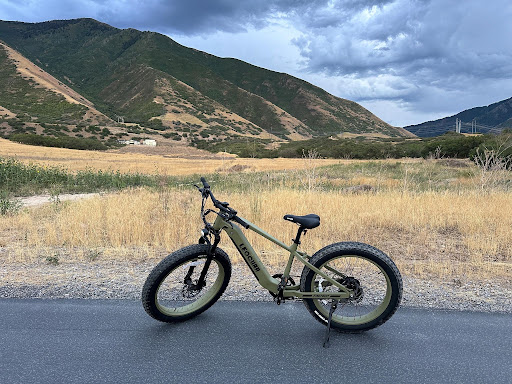

For many hunters, a fat tire electric bike changes the game completely. However, its true value depends on your hunting style, terrain, and budget. It helps you reach new areas and reduces your impact on the environment. But it won’t solve every hunting challenge you face.
An e-bike fills the gap between where your truck stops and where your feet can take you.
- Pros: Quiet access, longer range, less scent, easy gear transport.
- Cons: High cost, heavy weight, possible repairs in the field, strict rules.
So, who benefits most?
This is a worthy investment for:
- Hunters on large public lands who need to travel miles on access trails.
- Those with physical limits who want to keep hunting longer.
- Bowhunters who need to stay quiet and control their scent above everything else.
- Anyone who needs to carry heavy packs, stands, or blinds far into remote areas.
You might want to reconsider if:
- You hunt small, easy-to-reach private land.
- You have a tight budget where money could buy better scopes or hunting tags instead.
- Your local hunting areas ban all motorized vehicles, including e-bikes.
The Game-Changing Advantages
Hunters use electric bikes for hunting because they solve real problems. They change how we reach and move through hunting areas completely.
Deeper Access, Unmatched Stealth
We’ve all experienced this: a two-mile walk before dawn that makes you sweaty and tired. An e-bike fixes this problem completely. It lets you move quietly, covering ground much faster than walking but way quieter than an ATV. The soft hum of an electric motor disturbs wildlife much less than a gas engine. This gives bowhunters who need to get close a huge advantage.
Conquer Tough Terrain
Regular bike tires can’t handle backcountry conditions well. Fat tires that are 4 inches wide or more solve this problem perfectly. They work like snowshoes, floating over mud, sand, and snow instead of sinking in deep. The wide surface gives you great stability and grip on rocky trails and slippery clay where narrow tires would slip.
Haul More, Sweat Less
A hunter’s gear is never light. Add a climbing stand, blind, and a full day of supplies, and the walk becomes exhausting. The motor makes hard climbs much easier to handle. It also changes how you bring your gear and game back out completely. Carrying equipment and a harvested animal from remote areas is the hardest physical work in hunting. With weight limits often between 300 and 400 pounds, an e-bike can carry you, your gear, and your harvest easily.
Minimize Scent and Fatigue
Scent control matters most when hunting whitetail, elk, and other animals with great noses. The motor’s biggest benefit is reducing how hard you work physically. Less work means less sweat and less human smell on trails and in the air. You reach your stand or viewing spot cool, dry, and scent-free, keeping the element of surprise and greatly improving your chances of staying undetected.
The Unspoken Truths
The benefits sound great, but you need to understand the downsides too. Many reviews skip these important points that help you make a smart decision.
The Weight Problem
Hunting e-bikes weigh between 70 and 100 pounds, which is very heavy. This weight works fine when the motor runs, but what happens when the battery dies or you get a flat tire? Wrestling a 90-pound e-bike with a flat tire two miles from your truck can end your hunt. Just lifting it onto a high truck rack often needs two people to do safely. This isn’t a simple bicycle but a light vehicle, and you must respect its weight.
Field Maintenance
More parts mean more things can break down unexpectedly. An e-bike adds a motor, battery, controller, and wiring to regular bike parts. A broken brake cable on a regular bike is easy to fix in the field. A fried motor controller deep in the woods leaves you with a very heavy bike that won’t run. Toughness and easy field repairs are major concerns, and many real user discussions on hunting forums show that reliability problems happen often.
The “Stealth” Myth
E-bikes are much quieter than ATVs but not completely silent. The electric motor makes a clear whirring sound, especially when working hard, and chain and tire noise is noticeable. In the dead quiet of early morning, this sound can travel far. It’s much better for stealth than gas vehicles, but it’s not perfect silence.
The Real Cost
The price tag is just the start of your expenses. A good hunting e-bike costs $2,000 or more to buy. You must also think about long-term costs that add up over time. Batteries don’t last forever and can cost hundreds of dollars to replace when they wear out. Special fat tires and heavy-duty brake parts also wear out and cost more than regular bike parts.
Decoding the Specs
When you start shopping, you’ll see lots of technical terms thrown around. Here’s what actually matters for a hunting e-bike, explained in simple terms.
| Feature | What to Look For | Why It Matters for Hunting |
| Motor Power | 750W – 1000W; High Torque (>80 Nm) | Hill-climbing power. Essential for hauling gear and game up steep grades. |
| Battery Range | 48V 15Ah+; Look at Watt-hours (Wh) | How far you can go. A larger battery (e.g., 720Wh+) prevents range anxiety on long days. |
| Frame & Tires | Durable Aluminum Frame; 4″+ Fat Tires | Stability and durability. Handles rough terrain and heavy loads without compromise. |
| Brakes | Hydraulic Disc Brakes | Stopping power. Critical for safely controlling a heavy bike on steep descents. |
| Payload | 300 lbs or more | Carrying capacity. Must support you, your gear, and potentially your harvest. |
Motor Power and Torque
Don’t focus only on wattage numbers when comparing motors. Wattage relates more to top speed, but torque is what hunters really need. Torque is the twisting force that pulls you and your gear up steep, muddy hills without stalling. A motor with 80 Newton-meters or more of torque will feel much more powerful on climbs than a motor with higher wattage but lower torque. A strong hub motor provides the pulling power needed for steep, off-road conditions where weaker motors would quit.
For example, the Leoguar Fastron SO fat tire ebike combines a 750W rear hub motor with 85Nm of torque, providing extra assistance when climbing hills or riding with hunting gear. Its 26 × 4.0-inch tires also help maintain traction on gravel and uneven trails, where motor power alone isn’t enough.
Battery Life: Your Hunt’s Lifeline
Battery capacity works best when measured in Watt-hours, which is like the size of your gas tank. A higher number means you can go farther on one charge. Don’t trust manufacturer claims about range because they test under perfect conditions. Your real range depends on terrain, your weight, temperature, and how much you use the motor. For all-day hunts, a battery over 700Wh gives you peace of mind.
Frame Design and Accessibility
You’ll see two main frame styles: step-over with a high top tube and step-through designs. While step-over frames look traditional, step-through frames help hunters a lot. For hunters who want easy mounting and dismounting, especially with bulky gear or limited flexibility, a step-through model can be much more comfortable and practical. Quality parts like hydraulic brakes are required for safety, not optional extras. Hydraulic systems give you much better stopping power and control than mechanical brakes, which matters when controlling a 300-pound load on steep downhill trails.
The Leoguar Fastron ST fat tire e-bike is one example, with a low-step frame that makes getting on and off easier when wearing bulky hunting gear. It also supports up to 300 lbs of combined rider and cargo weight, making load capacity another useful factor to consider when planning longer trips.
Is It Worth It For You?
To get past general advice, answer these five questions to decide if a fat tire e-bike makes sense for your hunting.
- What terrain do you hunt and how far do you travel? If you hunt large public lands with multi-mile access trails, an e-bike becomes very valuable. If you hunt a 50-acre private plot near the road, it helps much less.
- What is your physical condition right now? Be honest about your fitness level and any limitations. For hunters with bad knees, back problems, or other physical issues, an e-bike isn’t a luxury but a tool that can extend their hunting for years.
- Does this fit your budget realistically? A good hunting e-bike costs serious money. Does this fit your budget, or would that money work better for a new rifle, better optics, or an out-of-state hunting tag?
- How much gear do you normally carry? If you hunt minimally with just a rifle and small pack, the benefit is smaller. If you pack in climbing stands, blinds, and decoys regularly, the motor help becomes a huge advantage.
- What are the rules in your hunting areas? The best e-bike in the world is useless if it’s illegal where you hunt. This is the most important question to answer first.
Check Before You Ride
E-bike laws are complicated and change often, varying greatly by state, county, and land management agency. You must research this carefully before buying.
E-bikes fall into three main categories:
* Class 1: Pedal-assist only, with a top assisted speed of 20 mph.
* Class 2: Throttle-powered, with a top motor speed of 20 mph.
* Class 3: Pedal-assist only, with a top assisted speed of 28 mph.
Many National Forests are updating their rules to treat Class 1 e-bikes like regular bicycles on some trails. But they’re still considered motorized vehicles in many situations and banned from non-motorized areas or Wilderness zones. State Wildlife Management Areas, BLM lands, and state parks all have their own specific rules that may differ completely.
ALWAYS check the specific rules for the exact area you plan to hunt before you buy or ride. A quick phone call to the local land manager’s office gives you the best answer. Start your research with official U.S. Forest Service guidelines on e-bikes, but confirm rules at the local level where you’ll actually hunt. An expensive ticket or confiscated bike ruins any hunting trip completely.
Frequently Asked Questions
Q: How far can I travel on a single battery charge while hunting?
A: Real-world range varies greatly based on terrain, rider weight, and motor use, but expect 15-30 miles on most hunting e-bikes. Steep hills, soft ground, and heavy loads reduce range significantly compared to manufacturer claims.
Q: Can I ride an e-bike in all weather conditions?
A: Most hunting e-bikes handle light rain and mud well, but avoid deep water crossings and heavy downpours. Cold weather reduces battery life, and snow can make trails dangerous even with fat tires.
Q: What happens if my e-bike breaks down miles from my truck?
A: You’ll need to either repair it in the field or push/carry a 70-100 pound bike back to your vehicle. Carry basic tools and a tire repair kit, and always tell someone your planned route and return time.
Q: Are e-bikes legal in National Parks and Wilderness areas?
A: Most National Parks allow e-bikes on designated bike paths only, while Wilderness areas typically prohibit all motorized vehicles including e-bikes. Always check specific regulations for each area before your hunt.
Q: How much maintenance do hunting e-bikes require?
A: Expect regular cleaning after muddy rides, periodic brake adjustments, tire pressure checks, and battery care. Professional tune-ups every 6-12 months help prevent major problems, and replacement parts cost more than regular bicycle components.