
Most household waste starts in the kitchen. Every meal leaves behind something, whether it is packaging, peelings, leftovers, or the wrappers from a quick snack. Because these small things pile up quietly, it is easy to fill a bin without noticing how much is being thrown away each week. The good news is that the kitchen is also the easiest place to make a change.
A few simple habits, repeated every day, can cut down the amount of trash a home sends out and save money at the same time. None of these habits require special skills or a large budget. They only ask for a little attention and a willingness to rethink how food and supplies move through the home.
Giving Morning Leftovers a Second Life
The morning routine creates more waste than most people realize, since breakfast and the first hot drink of the day often leave scraps behind before work even begins. Coffee grounds are a good example, as they are usually tipped straight into the trash each morning even though they still have real value once the brew is finished.
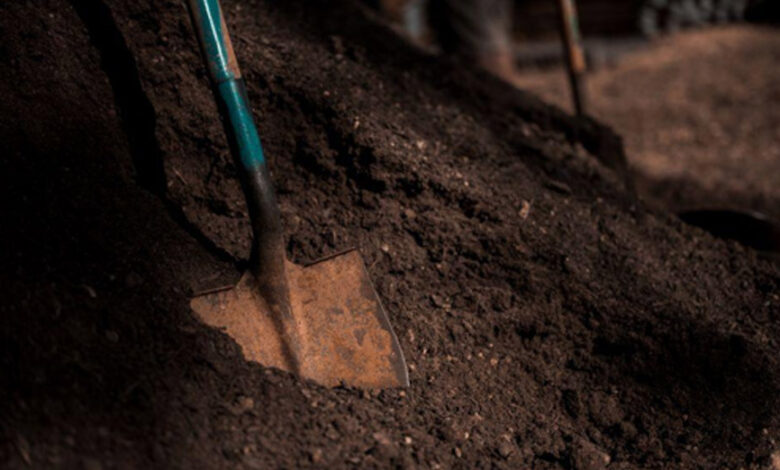
Composting is a simple way to turn this daily leftover into something useful for the soil. For anyone with a garden, a few planters, or a small backyard bin, it is worth learning how to compost your coffee grounds so that a habit you already have each morning feeds your plants instead of a landfill. Once this small step becomes routine, it often encourages people to look at the rest of their kitchen scraps with fresh eyes.
Plan Meals Before You Shop
A large share of kitchen waste comes from food that is bought and never eaten. Planning meals for the week ahead is one of the most effective ways to stop this from happening. Before heading to the store, take a few minutes to check what is already in the fridge and cupboards. Build meals around those items first, then write a shopping list for only what is missing. Sticking to that list keeps impulse buys out of the cart, and it means fewer forgotten vegetables wilting at the back of a drawer. Planning also makes busy evenings easier and far less stressful.
Store Food the Right Way
Good storage keeps food fresh for longer, which gives you more time to use it. Leafy greens last better when wrapped loosely in a clean cloth and kept in the crisper drawer. Bread stays soft longer in a sealed container, and it can be frozen in slices when it will not be finished in time. Fruit such as bananas and apples should be kept apart from other produce, as they can cause nearby items to ripen and spoil faster. Clear containers are also helpful, since food that can be seen is far more likely to be eaten.
Cook Creatively With What You Have
Leftovers do not have to be dull. Cooked rice can become fried rice, stale bread works well in breadcrumbs or a baked pudding, and soft vegetables make an excellent base for soups and sauces. Overripe bananas are ideal for muffins or smoothies. Vegetable peelings and onion ends can be saved in a bag in the freezer and simmered into a simple stock once enough has been collected. Treating leftovers as ingredients rather than waste changes the way you cook, and it often leads to new favorite dishes. Setting aside one night a week for a “use it up” meal is an easy way to make this a habit.
Cut Down on Single-Use Items
Disposable items add up quickly in a busy kitchen. Paper towels, plastic wrap, foil, and zip bags are convenient, but they are used once and then thrown away. Swapping them for reusable options makes a clear difference over time. Washable cloths can handle most spills, beeswax wraps or containers with lids can replace plastic wrap, and sturdy glass jars are perfect for storing leftovers, dry goods, and sauces. A refillable water bottle and a reusable cup for drinks on the go also keep a surprising amount of plastic out of the bin. These swaps cost a little more at first, but they last for years.
Buy Smarter and Choose Less Packaging
The way you shop shapes how much waste comes home with you. Choosing loose fruit and vegetables instead of pre-packed bags lets you buy only what you need. Bulk stores and refill shops allow you to bring your own containers for staples such as rice, pasta, oats, and spices. When packaging cannot be avoided, look for items in cardboard, glass, or metal, as these are usually easier to recycle than mixed plastics. Carrying reusable shopping bags in the car or by the front door makes it easy to remember them on every trip.
Set Up a Simple Sorting System
Even with good habits, some waste is unavoidable. A clear sorting system makes it easier to handle what is left. Keep separate bins or bags for recycling, food scraps, and general trash, and label them so everyone in the home knows where things go. Rinse jars and cans before recycling them, since dirty items can spoil an entire batch. Check your local city rules, because what can be recycled varies from place to place. Placing the bins somewhere convenient, such as under the sink, helps the whole household stay on track.
Make It a Household Habit
Lasting change works best when everyone takes part. Talk with family members or housemates about why reducing waste matters and agree on a few simple rules to start with. Children often enjoy helping with tasks such as sorting recycling or checking the fridge for food that needs to be eaten soon. Celebrate small wins, like a lighter bin at the end of the week or a meal made entirely from leftovers. Over time, these habits become second nature, and the kitchen turns into a place that wastes far less while running more smoothly every day.