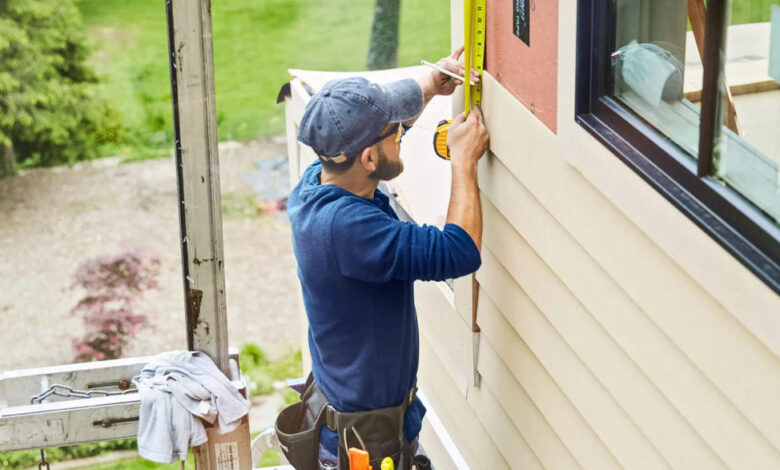

The exterior of a home plays an important role in its appearance, protection, energy efficiency, and long-term value. While homeowners often focus on roofing, windows, doors, and landscaping when improving a property, the exterior wall covering deserves the same level of attention. A well-designed exterior can help protect the structure from rain, wind, sunlight, moisture, temperature changes, and everyday wear while also creating a distinctive appearance. For this reason, selecting the right siding is an important decision for anyone building a new home, renovating an existing property, or replacing an aging exterior.
Exterior wall materials are available in many styles, colors, textures, and price ranges. Some options are designed to provide a traditional appearance, while others create a clean and contemporary look. Materials can also vary significantly in their maintenance requirements, durability, installation methods, insulation characteristics, and resistance to environmental conditions. Understanding these differences allows homeowners to select a solution that complements both their property and their long-term expectations.
Understanding the Purpose of Exterior Wall Coverings
The exterior covering of a house does much more than improve curb appeal. It forms an important protective layer between the building structure and outdoor conditions. Rainwater, snow, strong sunlight, wind, humidity, insects, and changing temperatures can all affect exterior building materials over time. A properly installed exterior covering helps reduce the direct exposure of the underlying walls to these conditions and can contribute to the overall durability of the building envelope.
Moisture management is particularly important. Water that enters behind exterior materials can contribute to wood rot, mold, insulation problems, and structural deterioration if it is not properly controlled. Quality installation therefore involves more than attaching panels or boards to the outside wall. Proper flashing, weather-resistant barriers, drainage pathways, and carefully sealed transitions around windows and doors can all contribute to better moisture management.
Exterior materials can also influence how a property looks from the street. A carefully selected color and profile can complement the architectural style of a home, while the wrong combination may make the exterior appear unbalanced. Homeowners should consider the roof, trim, windows, doors, landscaping, and surrounding architectural features when selecting an exterior finish.
Popular Material Options
One of the first decisions homeowners face is choosing the appropriate material. Different materials offer different combinations of durability, appearance, maintenance requirements, and cost. There is no single material that is ideal for every property because priorities can vary from homeowner to homeowner.
Vinyl is widely used because it is available in numerous colors and profiles and generally requires relatively little maintenance. It does not need regular painting in the same way that many traditional wood surfaces do, and routine cleaning can help maintain its appearance. Modern vinyl products are manufactured in a variety of textures and styles, allowing them to resemble other materials while maintaining their own characteristics.
Fiber cement is another popular option. It is made from a combination of cementitious materials and reinforcing fibers, creating a dense product designed for durability. Fiber cement can be manufactured to resemble painted wood, shingles, or other traditional exterior styles. It can be an appealing choice for homeowners who want a substantial appearance and strong resistance to many common exterior conditions.
Wood remains attractive to homeowners who appreciate natural materials and traditional craftsmanship. Cedar, pine, and other wood species can create a warm and distinctive appearance. However, wood generally requires more ongoing maintenance than many manufactured alternatives. Painting, staining, sealing, and regular inspections may be necessary to help protect the material from moisture and deterioration.
Engineered wood products offer another alternative. These materials are manufactured to provide the appearance of wood while incorporating modern production techniques intended to improve consistency and durability. Their characteristics vary by manufacturer, so homeowners should carefully review product specifications, installation requirements, and warranty information before making a decision.
Metal options, including aluminum and steel, can also be used for residential exteriors. Metal can provide a contemporary or industrial appearance and may offer strong resistance to certain forms of damage. However, factors such as dents, corrosion, finish quality, and local environmental conditions should be considered before selecting a metal product.
Choosing a Style That Complements the Home
Material selection is only one part of the decision. The profile, texture, orientation, and color of exterior panels can significantly affect the overall appearance of a house. Traditional horizontal lap profiles remain popular, but vertical panels, board-and-batten designs, shingle-style profiles, and mixed-material exteriors can create different architectural effects.
Homeowners should consider the existing design of the property rather than selecting an exterior style in isolation. A large house with multiple architectural features may benefit from combining different profiles or textures to add visual interest. A smaller or simpler structure may look better with a consistent exterior treatment that creates a clean appearance.
Color selection also requires careful thought. Exterior colors can look different depending on sunlight, shadows, surrounding landscaping, and the color of nearby architectural features. Before making a final decision, homeowners can examine physical samples under different lighting conditions. It is also helpful to consider how the selected color may look after several years rather than choosing a shade based solely on current design trends.
Trim colors can be used to highlight windows, doors, corners, rooflines, and other architectural elements. A contrasting trim can create a defined appearance, while a closely matched trim can produce a more subtle and unified exterior. The goal should be to create a coordinated design rather than simply selecting individual colors that look attractive on their own.
The Importance of Proper Installation
Even high-quality materials can perform poorly when installation is inadequate. Professional installation helps ensure that exterior materials are properly aligned, securely fastened, and integrated with the building’s weather-resistant systems. Installers must understand the expansion and contraction characteristics of the selected material, appropriate fastening techniques, drainage requirements, and manufacturer specifications.
Preparation is an important part of the process. Before new exterior materials are installed, the existing wall surface should be inspected for signs of moisture damage, rot, structural issues, or other problems. Installing new materials over a damaged substrate can hide the problem temporarily rather than solving it. Addressing underlying issues before installation can help prevent more expensive repairs later.
Windows, doors, corners, roof intersections, utility penetrations, and other transitions require particular attention. These areas can become vulnerable to water infiltration if flashing and weatherproofing are not properly designed. A professional installation should treat the exterior as part of a complete building envelope rather than as a decorative layer.
Proper ventilation and drainage are also important. Exterior wall assemblies often need to allow moisture that enters the system to escape safely. The exact approach depends on the construction design and material being used, which is why installation should follow both building requirements and product-specific instructions.
Maintenance and Long-Term Care
The amount of maintenance required depends heavily on the material. Some products may require only periodic cleaning and visual inspections, while others require painting, staining, or sealing at regular intervals. Homeowners should understand these responsibilities before selecting a product.
Regular inspection can help identify small problems before they develop into larger ones. Look for cracks, loose panels, damaged boards, discoloration, gaps, or signs of moisture. Areas around windows and doors deserve particular attention because these locations contain multiple joints and transitions.
Cleaning should be performed according to the manufacturer’s recommendations. Excessive pressure from power-washing equipment can damage certain materials or force water into vulnerable areas. Gentle cleaning methods are often preferable unless the product manufacturer specifically approves stronger equipment or techniques.
Vegetation should also be managed around exterior walls. Branches, vines, and dense plants can trap moisture against the building and make inspection more difficult. Keeping landscaping appropriately trimmed can improve airflow and make it easier to identify developing problems.
Wood products typically require more attention than many low-maintenance alternatives. Paint and protective coatings can deteriorate over time, particularly on surfaces exposed to strong sunlight and moisture. Promptly addressing peeling paint, exposed wood, or damaged boards can help reduce the risk of more extensive deterioration.
Energy Efficiency Considerations
Exterior wall materials can play a role in a home’s overall energy performance, although the material itself is only one component of the building envelope. Insulation, air sealing, windows, doors, roofing, and HVAC equipment can all have major effects on heating and cooling requirements.
Some exterior systems can be installed with additional insulation beneath the visible outer layer. This can improve the thermal performance of the wall assembly when designed and installed correctly. Homeowners considering an exterior renovation may therefore want to evaluate whether additional insulation or air-sealing improvements should be incorporated into the project.
It is important to distinguish between the performance of the visible exterior material and the performance of the complete wall assembly. A premium exterior product does not automatically make a house energy efficient. Proper insulation levels, reduced air leakage, moisture management, and appropriate installation are all important parts of achieving good overall performance.
Budgeting for an Exterior Renovation
Cost is naturally an important consideration when replacing or installing exterior wall materials. However, comparing products only by their initial purchase price can produce an incomplete picture. Labor, preparation, removal of existing materials, repairs, trim, flashing, insulation, disposal, and future maintenance can all contribute to the total project cost.
A less expensive material may require more frequent painting or repairs, while a higher-priced product may require less maintenance over its expected service life. This does not necessarily mean that the more expensive option will always be the better financial choice. Homeowners should consider their budget, maintenance preferences, expected length of ownership, and the specific requirements of the property.
Obtaining detailed estimates can make comparisons easier. A useful estimate should explain the scope of work rather than providing only a single total price. Homeowners can ask whether the estimate includes removal of existing materials, substrate repairs, weather barriers, flashing, trim, installation labor, cleanup, and disposal.
Unexpected structural or moisture-related repairs can affect the final cost. For that reason, an inspection before the project begins can help establish a more realistic budget. A professional contractor should be willing to explain potential problem areas and clarify which repairs are necessary before installation.
How Exterior Materials Affect Curb Appeal
A home’s exterior can have a significant effect on its visual character. Replacing worn or outdated materials can make a property look cleaner and more contemporary without changing its fundamental structure. Color, texture, profile, and trim can be combined to create anything from a traditional appearance to a modern architectural style.
For homeowners considering future resale, a well-maintained and visually coordinated exterior can contribute to the property’s overall presentation. However, design decisions should not be based exclusively on short-term trends. Exterior materials are expected to remain in place for many years, so timeless designs may provide greater flexibility over the long term.
Architectural consistency is particularly important. A material that looks appropriate on a farmhouse-style property may not create the same effect on a modern home. Similarly, mixing too many textures or colors can make the exterior appear visually crowded. A balanced design typically uses a primary exterior material supported by complementary trim and carefully selected accent elements.
Questions to Ask Before Starting a Project
Before beginning an exterior renovation, homeowners should gather information about the property’s current condition and determine what they want the project to accomplish. Is the primary goal appearance, improved durability, lower maintenance, moisture protection, energy performance, or a combination of several objectives? Establishing these priorities can make material selection easier.
It is also useful to ask how long the selected product is expected to last, what maintenance it requires, and what types of damage are covered by the warranty. Homeowners should review installation requirements because some materials have specific fastening, spacing, painting, or ventilation requirements.
Contractor qualifications should be considered as well. Experience with the selected material can be valuable because installation techniques vary significantly between products. Homeowners can request information about previous projects, licensing or insurance where applicable, written estimates, and manufacturer installation requirements.
A clear contract should describe the materials, scope of work, payment schedule, expected timeline, warranty responsibilities, and procedures for handling unexpected conditions. Having these details documented can reduce confusion during the renovation.
Making a Long-Term Exterior Investment
Choosing new siding is ultimately a combination of practical and aesthetic considerations. The ideal solution should protect the building, complement its architectural design, fit the available budget, and match the homeowner’s willingness to perform ongoing maintenance. Material quality matters, but so do installation practices and the condition of the wall assembly underneath.
Homeowners should avoid rushing the decision simply because exterior renovations can be visually exciting. Samples should be reviewed, product specifications should be compared, and the property’s existing condition should be assessed before work begins. A thoughtful planning process can reduce the likelihood of choosing a material that looks attractive initially but does not meet long-term expectations.
The installation stage is equally important. Experienced professionals can identify potential moisture problems, prepare the substrate, install weather-resistant components, and ensure that the selected material is installed according to manufacturer requirements. Attention to detail around openings and transitions can be especially important for protecting the building from water infiltration.
After installation, regular maintenance helps preserve both appearance and performance. Simple tasks such as cleaning, inspecting, trimming nearby vegetation, and addressing small areas of damage can contribute to a longer service life. More extensive maintenance should be performed according to the requirements of the selected material.
Final Thoughts on Choosing the Right Exterior
A successful exterior renovation should provide more than an immediate visual improvement. It should create a durable protective layer that works as part of the home’s overall building envelope. By considering material characteristics, installation quality transforms the appearance of a property while helping protect the underlying structure from everyday environmental exposure. Whether a homeowner prefers the low-maintenance characteristics of manufactured materials, the natural appearance of wood, the durability of, maintenance requirements, energy performance, appearance, and long-term costs, homeowners can make a more informed decision.
The right siding can transform the appearance of a property while helping protect the underlying structure from everyday environmental exposure. Whether a homeowner prefers the low-maintenance characteristics of manufactured materials, the natural appearance of wood, the durability of fiber cement, or the distinctive look of metal, careful selection and professional installation are essential.
Ultimately, there is no universal solution for every home. The most suitable choice depends on the building’s design, climate exposure, maintenance expectations, budget, and personal preferences. Taking time to evaluate these factors before purchasing materials can lead to a more successful renovation and help ensure that the finished exterior remains attractive, functional, and durable for many years. With proper planning, quality materials, skilled installation, and consistent care, siding can become a valuable part of a home’s exterior protection and overall design.