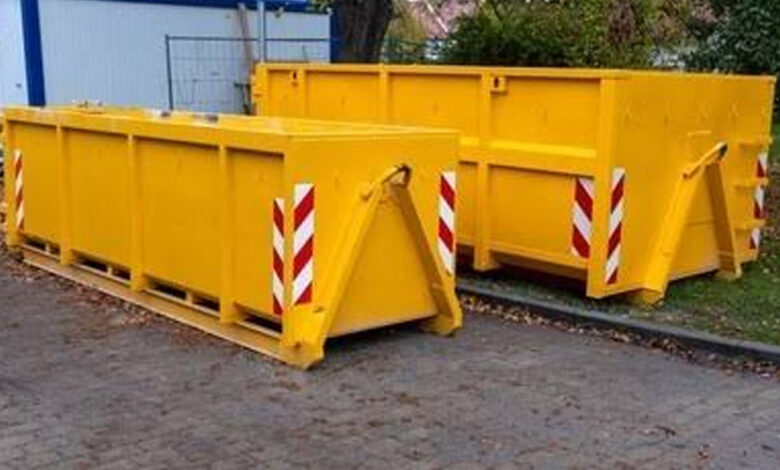

Managing waste effectively is an essential part of construction, renovation, moving, demolition, and large-scale cleanup projects. When unwanted materials begin to accumulate, keeping everything organized can become difficult without a suitable disposal solution. Furniture, old fixtures, packaging, building materials, yard debris, and household clutter can quickly occupy valuable space and create an untidy working environment. Having a dedicated waste container available throughout a project can make cleanup more convenient while allowing workers and property owners to focus on completing the work efficiently.Before arranging dumpster rentals, it is important to understand the needs of the project and the amount and type of waste that will be produced. Choosing a container simply because it appears affordable or convenient may result in insufficient capacity, unnecessary expenses, or disposal complications. A better approach is to consider the size of the project, expected debris volume, rental duration, acceptable materials, placement requirements, and pricing structure. With proper planning, customers can select an option that supports their project without creating avoidable logistical problems.
Understanding Dumpster Rental Services
A dumpster rental service typically involves delivering a waste container to a customer’s property for a specified period. The customer uses the container to collect approved waste materials, and the provider later returns to pick it up and transport the contents for disposal or processing. Depending on the service agreement, the rental price may include delivery, pickup, disposal, and a predetermined rental period. Some providers may also offer flexible scheduling or additional rental days when a project takes longer than expected.Understanding the terms before scheduling delivery is important because rental agreements can differ significantly. Customers should ask about the included rental period, weight restrictions, accepted materials, delivery requirements, pickup procedures, and potential additional charges. This information makes it easier to calculate the expected cost and prevents misunderstandings after the container has already been delivered. A clear agreement also allows customers to organize their project timeline around the availability of the container.
Choosing the Right Container Size
Container size is one of the most important considerations when arranging waste disposal. A container that is too small may fill before the project is finished, while a container that is much larger than necessary can result in unnecessary spending. Customers should estimate the amount of waste likely to be produced and consider whether materials can be broken down to reduce the space they occupy. Large furniture, cabinets, doors, flooring, and other bulky items can take up considerable room if they are placed inside without being dismantled.Different projects require different capacities. A small household cleanup may only produce a moderate amount of debris, while a complete renovation or demolition project can generate a much larger volume. Customers should look beyond general size names and check the actual dimensions and capacity of each container. When comparing dumpster rentals, understanding the physical dimensions can help determine whether the selected container will fit the available placement area and provide enough room for the expected waste.
Projects That Commonly Need Temporary Waste Containers
Home improvement projects are among the most common reasons people arrange temporary waste disposal. Kitchen remodeling, bathroom renovations, flooring replacement, roofing work, garage cleanouts, and basement renovations can produce significant quantities of unwanted materials. Instead of allowing debris to accumulate throughout the property, homeowners can place approved waste into a centralized container. This keeps the working area more organized and reduces the number of trips required to dispose of materials elsewhere.Construction and demolition projects can produce even larger amounts of waste. Wood, drywall, packaging, insulation, fixtures, and other construction materials may accumulate throughout the worksite. A dedicated container provides workers with a convenient place to dispose of these materials as the project progresses. Moving and decluttering projects can also benefit from temporary waste disposal, particularly when large amounts of furniture, household items, and general clutter need to be removed within a short period.
Preparing the Property for Delivery
Proper preparation before delivery can prevent many common problems. Customers should identify a suitable location where the container can be placed safely and accessed easily by the delivery vehicle. The selected surface should generally be stable and capable of supporting the container and its contents. Customers should also consider nearby vehicles, gates, walls, trees, overhead structures, and other obstacles that could interfere with delivery or pickup.The provider should be informed about any unusual access conditions before delivery. If the property has a narrow driveway or limited space, discussing these details in advance can help determine whether the selected container is appropriate. Keeping the placement area clear on delivery day can also reduce delays. Careful planning is particularly valuable for busy construction sites because workers need enough space to move materials safely around the container.
Understanding Acceptable and Prohibited Materials
Not every type of waste can be placed into a standard dumpster. Providers typically have rules concerning materials that can be accepted, and these rules may vary depending on disposal regulations and the type of container being used. Ordinary construction debris, household clutter, furniture, and many general waste materials may be accepted, while hazardous substances and certain specialized materials may require separate disposal arrangements.Customers should request a list of prohibited items before beginning a cleanup or renovation project. Chemicals, certain batteries, liquids, tires, some electronic devices, and hazardous substances may not be permitted in ordinary containers. Accidentally placing restricted materials inside a container can result in additional charges or disposal complications. Knowing the rules in advance allows customers to separate special waste before loading the container and helps ensure that everything is handled appropriately.
Loading the Container Properly
Efficient loading can significantly increase the amount of material that fits inside a container. Large objects should be dismantled whenever practical, while cardboard boxes and other compressible materials can be flattened. Furniture can often be taken apart before disposal, creating more usable space. Placing heavier materials toward the bottom and arranging larger items carefully can also make the available capacity more useful.Customers should never allow materials to extend dangerously above the container’s permitted fill level. Overfilled containers can create transportation and safety issues and may require the customer to remove some of the material before pickup. Weight restrictions are equally important because dense materials such as concrete, bricks, soil, and certain roofing materials can become extremely heavy even when they do not fill the container completely. Following the provider’s loading guidelines helps ensure that dumpster rentals remain safe and compliant throughout the project.
Understanding the Cost of Dumpster Rental
The advertised price of a container does not always represent the total amount a customer will eventually pay. Several factors can influence the final cost, including container size, rental duration, disposal weight, delivery charges, pickup fees, and the type of waste being handled. Some providers include several services in one package, while others charge separately for additional days, excess weight, or special disposal requirements.Before committing to a service, customers should ask for a clear explanation of all potential charges. They should determine how many rental days are included, what happens if the project runs longer than expected, and whether there are weight limits. It is also useful to ask whether delivery and pickup are included in the quoted price. Comparing dumpster rentals based on the complete pricing structure rather than only the initial advertised amount can make budgeting considerably easier.
Comparing Providers Carefully
Price is important, but it should not be the only factor considered when comparing waste-management providers. Reliability, communication, container availability, scheduling flexibility, and clear service terms can have a major impact on the overall experience. A low initial price may not be useful if the container arrives late or if unexpected charges appear after the project has started. Customers should therefore review the complete service agreement before making a final decision.It can also be helpful to compare the available container sizes and waste restrictions. A provider offering several options may make it easier to choose a container that matches the project’s specific requirements. Customers should also consider how easily they can communicate with the company if the project schedule changes. By evaluating dumpster rentals according to both cost and service conditions, customers can reduce the possibility of delays and unexpected complications.
Avoiding Common Mistakes
One of the most common mistakes is waiting too long to arrange a container. Customers who schedule their service at the last minute may have fewer size and delivery options available, particularly when demand is high. Planning ahead allows enough time to determine the appropriate container, prepare the placement area, and discuss any unusual project requirements with the provider.Another frequent mistake is underestimating the amount of waste that a project will generate. Renovation and demolition work can produce far more debris than initially expected, especially when walls, cabinets, flooring, fixtures, or other large structures are removed. On the other hand, selecting an unnecessarily large container can increase costs without providing additional value. A realistic estimate of the project’s waste volume can help customers avoid both situations and make better use of dumpster rentals.
Keeping the Work Area Organized
A well-managed waste container can contribute to a cleaner and more efficient work environment. Instead of allowing debris to accumulate in multiple areas, workers can move unwanted materials directly into the container as the project progresses. This can reduce clutter, improve access to work areas, and make it easier to identify materials that still need to be used or removed.Organization is particularly important on larger projects where several workers may be handling different tasks at the same time. Establishing simple procedures for disposing of waste can prevent debris from becoming scattered throughout the property. Recyclable materials and restricted items can be separated where necessary, while approved general waste can be placed into the designated container. This approach helps make cleanup a regular part of the workflow rather than a difficult task left until the end.
Supporting Responsible Waste Management
Responsible disposal involves more than simply removing unwanted materials from a property. Customers should understand where their waste goes and whether certain materials can be recycled, recovered, or processed separately. Depending on the type of material, different disposal methods may be required. Following the provider’s instructions helps ensure that waste enters the appropriate disposal or recycling process.Customers can contribute to better waste management by separating materials when required and keeping prohibited items out of general containers. Recyclable materials such as certain metals and cardboard may have separate handling requirements. Avoiding unnecessary contamination can make the disposal process more efficient and may also support recycling efforts. For projects generating substantial amounts of waste, choosing dumpster rentals with clear disposal policies can make responsible waste handling easier to manage.
When a Dumpster May Not Be Necessary
Although temporary waste containers are useful for many projects, they are not always the most practical solution. A small cleanup that produces only a few bags of waste may not require a large container. In other situations, specialized materials may require a different disposal method because they cannot be safely or legally placed in a standard dumpster. Evaluating the type and volume of waste before ordering a container can prevent unnecessary expenses.The timing of the project also matters. A container can be particularly useful when a large amount of waste will be generated over several consecutive days. If waste production is minimal or spread over a very long period, another disposal approach may be more suitable. Customers should consider the project’s actual requirements rather than automatically choosing a container simply because it is a common waste-management option.
Preparing for Pickup
As the project approaches completion, customers should prepare the container for pickup according to the provider’s instructions. The container should remain accessible, and the surrounding area should be free of obstacles that could prevent the collection vehicle from reaching it. Customers should also check that the load remains within the permitted fill level and does not contain prohibited materials.If the project is taking longer than expected, the provider should be contacted as soon as possible. Depending on availability, an extension may be possible. Waiting until the scheduled pickup time can make it harder to adjust the service arrangement. Clear communication throughout the rental period helps prevent scheduling problems and makes dumpster rentals easier to manage from delivery through final collection.
Making the Most of Your Waste Disposal Plan
A successful waste-management plan begins before the container arrives. Customers should estimate the volume of debris, identify the types of materials involved, select a suitable container size, prepare an accessible placement area, and understand all rental conditions. These steps can make the entire process more predictable and help prevent unnecessary expenses.During the project, materials should be loaded carefully and kept within the provider’s safety requirements. Bulky items should be broken down where possible, heavy materials should be handled according to applicable weight limits, and prohibited materials should remain separate. Once the work is finished, the container should be prepared for timely pickup. Following these basic practices allows dumpster rentals to become a convenient part of a well-organized cleanup, renovation, or construction project.
Final Thoughts
Effective waste management can make a significant difference in the success of a construction, renovation, demolition, moving, or cleanup project. A suitable container gives customers a dedicated place for unwanted materials and helps prevent debris from spreading throughout the property. However, selecting the right service requires consideration of several factors, including container size, waste type, rental period, placement, loading requirements, and total cost.Taking time to understand these details before scheduling delivery can help customers avoid common problems and keep their projects moving efficiently. The most useful approach is to plan ahead, communicate clearly with the provider, follow disposal requirements, and select a container based on the actual needs of the project. With the right preparation, dumpster rentals can provide a practical and organized way to manage substantial quantities of temporary waste while making cleanup more convenient from start to finish.