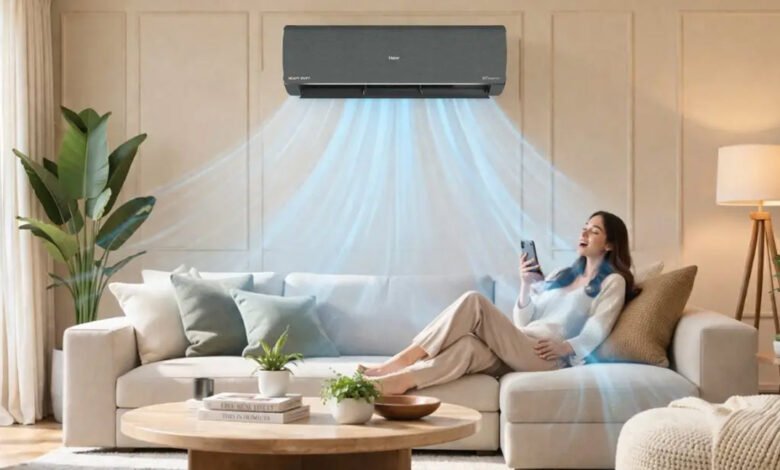

Modern heating and cooling needs are not always best served by a traditional central HVAC system. Some homes have rooms that remain difficult to heat or cool, while others may not have existing ductwork to support a conventional system. Home additions, converted garages, workshops, older properties, and individual rooms can all present unique comfort challenges. In these situations, ductless HVAC technology can provide a practical alternative by delivering heating and cooling directly to specific indoor areas. Ductless mini splits are designed to offer flexible temperature control while reducing the need for extensive duct installation, making them an increasingly popular option for residential and commercial properties.A ductless system typically consists of an outdoor unit connected to one or more indoor air-handling units. Instead of moving conditioned air through a network of large ducts, the system delivers heating or cooling directly through the indoor units. Each indoor unit can often be controlled independently, allowing different areas of the property to maintain different temperature settings. This flexibility can be useful in buildings where occupancy, room usage, and comfort preferences vary from one space to another.Choosing the right HVAC system requires more than selecting equipment based on appearance or general capacity. The layout of the building, the size of individual rooms, insulation, windows, occupancy patterns, and existing heating and cooling equipment can all affect system performance. A professional HVAC evaluation can help determine whether a ductless solution is appropriate and how the equipment should be designed for reliable operation.
Understanding How Ductless HVAC Systems Work
A ductless HVAC system uses indoor and outdoor equipment to transfer heat and manage indoor temperatures. The outdoor unit contains important system components, while the indoor air handlers deliver conditioned air to designated spaces. Refrigerant lines and electrical connections link the indoor and outdoor sections of the system.During cooling operation, the system removes heat from indoor spaces and transfers it outside. During heating operation, many ductless heat pump systems can reverse this process and transfer heat indoors. This ability to provide both heating and cooling can make ductless equipment a versatile option for year-round comfort.Because individual indoor units serve specific areas, the system can provide targeted temperature control. A bedroom, office, addition, or other frequently used room may have different comfort requirements than the rest of the building. Individual controls can allow occupants to adjust temperatures according to the needs of each area.
However, proper equipment selection and installation remain essential. The performance of a ductless system depends on correct sizing, appropriate placement of indoor units, and professional installation of all required components.
Why Ductless Systems Are Becoming More Popular
Many property owners are interested in HVAC options that provide greater flexibility. Traditional central systems depend on ductwork to distribute heated or cooled air throughout the building. While this approach works well for many properties, installing or extending ductwork can be difficult in some situations.Ductless equipment can be especially useful in older buildings that were not originally designed with central HVAC systems. Instead of making major structural changes to install extensive ductwork, indoor units can be placed in selected areas and connected to an outdoor system.Home additions are another common application. A new room may place additional demand on the existing HVAC system, and extending the original duct system may not always be practical. A ductless unit can provide dedicated temperature control for the new space.Property owners may also consider ductless solutions for rooms with recurring comfort problems. If one area consistently remains warmer or cooler than the rest of the building, a targeted heating and cooling system may provide additional control.
Flexible Temperature Control for Different Spaces
One of the most recognized benefits of ductless HVAC technology is the ability to manage temperatures in individual areas. Different rooms can have different comfort needs depending on their location, usage, and exposure to sunlight.For example, an office may be occupied for only part of the day, while bedrooms may require different temperatures during nighttime hours. A traditional system may treat the entire building as a single cooling or heating zone, while ductless equipment can provide more flexibility.This zoning capability can also be helpful in properties with multiple occupants. Different people may prefer different temperature settings, and separate indoor units can allow greater control over individual spaces.The ability to condition only occupied areas may also help property owners manage HVAC usage more effectively. However, actual energy performance depends on equipment selection, building conditions, operating habits, and proper installation.
Installation Considerations for Ductless Equipment
Professional installation is important because ductless HVAC equipment must be correctly sized and positioned. The indoor units should be placed where they can distribute air effectively throughout the intended area.The outdoor equipment also requires appropriate placement. Technicians consider access, airflow, system requirements, and other installation factors when determining the location.The connection between indoor and outdoor equipment must be installed carefully. Refrigerant lines, electrical wiring, and condensate drainage all play important roles in system operation. Incorrect installation can affect efficiency, comfort, and long-term reliability.A professional HVAC contractor can evaluate the property before recommending equipment. This evaluation may include room dimensions, insulation, windows, existing HVAC systems, and expected heating and cooling demands.
Ductless Mini Splits for Homes
Residential properties can benefit from flexible HVAC solutions when central heating and cooling does not provide consistent comfort. Certain rooms may be difficult to condition because of their location, size, or exposure to outdoor temperatures.A converted garage or basement may have different comfort requirements than the main living area. Home additions can also create challenges when the existing HVAC system was not designed to serve the additional space.Ductless mini splits can provide dedicated heating and cooling for these areas without requiring major ductwork changes. A properly designed system can help homeowners create more comfortable conditions in spaces that were previously difficult to maintain.Some homeowners also choose ductless equipment as part of a larger HVAC strategy. The system may work alongside existing heating and cooling equipment to provide additional support where it is needed.
Commercial Applications for Ductless HVAC
Ductless systems are not limited to residential use. Smaller offices, retail spaces, workshops, and other commercial properties may also benefit from targeted heating and cooling.Commercial spaces can have different occupancy patterns throughout the day. Some rooms may be used frequently, while others remain empty for long periods. Individual temperature control can help building managers adjust comfort according to how each area is used.Certain commercial properties may also have areas that are difficult to connect to an existing central HVAC system. A ductless solution may provide an alternative when extending ductwork is impractical.The equipment should always be selected based on the specific requirements of the property. A professional evaluation can help determine the number of indoor units needed and the appropriate configuration for the building.
Energy Efficiency and System Performance
Energy efficiency is an important consideration for property owners selecting heating and cooling equipment. Modern ductless systems are designed with technology that can adjust system operation based on changing comfort demands.Because the equipment can provide targeted heating and cooling, users may have greater control over how different spaces are conditioned. Occupied areas can receive attention without necessarily conditioning every unused room in the same way.However, energy savings depend on several factors. The size of the equipment, quality of installation, insulation levels, outdoor conditions, and user settings can all influence actual performance.Regular maintenance is also important. Even efficient equipment can experience reduced performance when filters become dirty or components require service.
Routine Maintenance for Reliable Operation
Like any HVAC system, ductless equipment requires regular care. Indoor filters should be inspected and cleaned or replaced according to manufacturer recommendations. Clean filters can support proper airflow and help the system operate more effectively.Indoor units should also remain unobstructed. Furniture or other objects that block airflow can affect the ability of the system to distribute conditioned air throughout the room.Outdoor units should be kept reasonably clear of leaves, debris, and other materials that may interfere with airflow. However, homeowners should avoid performing complicated repairs or disassembling equipment without professional training.Professional HVAC maintenance can include a more detailed inspection of the system. Technicians can evaluate electrical components, system controls, airflow, drainage, and other important areas based on the equipment design.
Common Signs That Service May Be Needed
A ductless system may show warning signs when something is not operating normally. Reduced heating or cooling performance is one common concern. If the indoor unit is running but the room does not reach the desired temperature, the system may require inspection.Weak airflow can also indicate a problem. A dirty filter is one possible cause, but other equipment concerns may need professional evaluation.
Unusual noises should not be ignored. Rattling, grinding, persistent buzzing, or other unexpected sounds may indicate a loose or damaged component.Water leaking from an indoor unit may also require attention. Condensation management is an important part of ductless system operation, and drainage concerns should be addressed before they lead to property damage.Professional HVAC service can identify the cause of these symptoms and recommend appropriate repairs.
Comparing Ductless and Traditional Central HVAC
Both ductless and central HVAC systems can provide effective heating and cooling when properly designed and maintained. The best choice depends on the property and the comfort needs of the occupants.Central HVAC may be a practical option for buildings with an existing and properly functioning duct system. A single central system can provide comfort throughout the property.Ductless equipment may be useful when installing ductwork is difficult or when specific rooms require additional temperature control. Individual indoor units can provide targeted comfort in selected areas.In some properties, the best approach may involve a combination of systems. Existing central equipment can continue serving the primary building areas while ductless units provide additional support for rooms with unique comfort needs.
The Importance of Proper System Sizing
Correct system sizing is essential for dependable HVAC performance. Equipment that is too small may struggle to maintain comfortable temperatures during periods of high demand. Equipment that is too large may create different operational concerns.A professional evaluation considers more than the square footage of the building. Room layout, insulation, windows, ceiling height, occupancy, and other factors can influence heating and cooling requirements.Proper sizing helps ensure that the selected equipment matches the needs of the space. This is particularly important for ductless systems because each indoor unit is intended to serve a specific area.Professional planning before installation can help avoid performance problems and support long-term reliability.
Improving Indoor Comfort Throughout the Year
Comfort is influenced by more than temperature alone. Airflow, humidity, system performance, and the distribution of conditioned air can all affect how a room feels.Ductless systems provide an additional level of control because users can adjust the temperature in individual zones. This can be useful for rooms that receive significant sunlight or experience different temperature conditions from the rest of the building.The ability to provide both heating and cooling can also support year-round comfort. Instead of relying on separate equipment for every seasonal need, some ductless systems can perform multiple comfort functions.Property owners should discuss their specific goals with an HVAC professional. Whether the objective is improving a single room, conditioning an addition, or developing a more flexible comfort system, professional guidance can help determine the most appropriate approach.
Choosing a Professional HVAC Service Provider
The quality of installation and service can have a significant effect on system performance. Property owners should choose an HVAC provider with experience evaluating and installing the type of equipment being considered.A professional should inspect the property before recommending a system. Understanding the layout and comfort concerns can help ensure that equipment is selected for the actual needs of the building.The service provider should also explain maintenance requirements and answer questions about normal operation. Clear communication can help homeowners understand how to use the system and recognize when professional service may be needed.Regular maintenance and prompt attention to unusual system behavior can support long-term performance. Working with qualified HVAC professionals gives property owners access to technical knowledge and appropriate service for their equipment.
Conclusion
Ductless heating and cooling systems provide a flexible option for properties that need targeted temperature control. They can be useful for older homes without ductwork, room additions, converted spaces, offices, and other areas with unique comfort requirements.Ductless mini splits can provide both heating and cooling while allowing individual rooms or zones to have greater temperature control. Their suitability depends on the property, equipment design, and professional installation.Regular filter care, clear airflow paths, and professional maintenance can help support reliable operation. When unusual noises, weak airflow, reduced comfort, or drainage concerns develop, timely professional service can help prevent the problem from becoming more serious.By working with qualified HVAC professionals and selecting equipment based on the specific needs of the property, homeowners and business owners can create a more flexible and dependable approach to indoor comfort. With proper installation and regular maintenance, a ductless system can provide reliable heating and cooling for many different types of spaces.