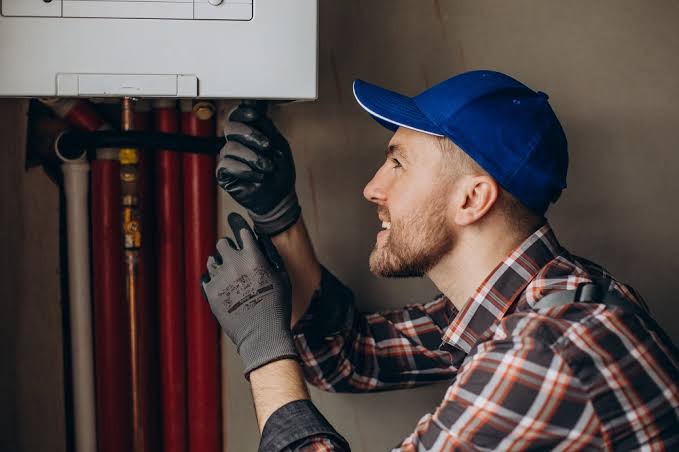
Furnace Repair: A Complete Guide to Maintaining a Safe, Efficient, and Reliable Heating System

A properly functioning furnace is essential for maintaining a comfortable indoor environment, especially during colder months when reliable heating becomes a necessity. Homeowners depend on their heating systems to provide consistent warmth, circulate clean air, and maintain comfortable temperatures throughout their living spaces. However, like other household appliances, furnaces experience regular wear and tear that can affect their performance over time. Dust accumulation, damaged components, electrical issues, and neglected maintenance can all contribute to unexpected heating problems. Understanding how a heating system operates and recognizing early warning signs can help homeowners avoid expensive breakdowns. Professional furnace repair services provide the expertise needed to identify problems, restore heating performance, and maintain the overall efficiency of the equipment.
Understanding How a Furnace Works
A furnace is designed to generate heat and distribute warm air throughout a building using a network of ducts and vents. Depending on the system, it may operate using natural gas, electricity, propane, or another energy source. Most modern heating systems contain several important components, including a thermostat, blower motor, heat exchanger, ignition system, burners, air filter, and safety controls. Each component performs a specific function, and all parts must work together to maintain consistent heating performance. When one component develops a problem, the entire system may experience reduced efficiency, uneven temperatures, unusual noises, or complete operational failure. Understanding the basic operation of a furnace makes it easier for homeowners to recognize when something is not working correctly. When indoor temperatures fall below the selected thermostat setting, the heating system receives a signal to begin operating. The furnace then generates heat and uses its blower motor to distribute warm air through the ductwork into different rooms. Once the desired temperature is reached, the system reduces or stops heating until additional warmth is needed. Regular inspections and proper maintenance help ensure that these processes continue working smoothly without placing unnecessary pressure on mechanical components.
Common Warning Signs That Your Furnace Needs Attention
Heating systems often show warning signs before developing serious mechanical failures. One of the most noticeable symptoms is insufficient heating, where the furnace operates continuously but cannot maintain the desired indoor temperature. Homeowners may also notice that some rooms remain colder than others or that warm air takes longer to reach different areas of the property. These problems can result from clogged filters, restricted airflow, thermostat malfunctions, damaged ductwork, or worn internal components. Recognizing these symptoms early can help prevent minor issues from becoming expensive repairs. Unusual noises are another important indication that a heating system may require professional attention. Banging, rattling, grinding, squealing, or persistent humming sounds may indicate loose components, worn motor bearings, blower problems, or airflow restrictions. Unexpected shutdowns and frequent heating cycles can also suggest that the system is experiencing operational difficulties. Strange odors should never be ignored, particularly when they involve burning materials or suspected gas leaks. If you smell gas, leave the building immediately without operating electrical switches or creating flames, and contact emergency services from a safe location. A qualified technician can investigate other heating concerns and recommend suitable solutions.
Why Regular Furnace Maintenance Is Important
Regular maintenance is one of the most effective ways to protect heating equipment and maintain its performance over time. Dust, dirt, and airborne particles gradually accumulate inside heating systems, especially when filters are neglected or replaced infrequently. These contaminants can restrict airflow, interfere with moving components, and reduce the system’s ability to distribute heat effectively. Maintenance appointments provide an opportunity to inspect important parts, identify worn components, and ensure that the equipment operates according to manufacturer recommendations. A consistent maintenance schedule also helps homeowners understand the overall condition of their heating system. Professional furnace repair technicians can inspect the blower motor, thermostat, electrical connections, ignition system, burners, and safety controls to identify potential concerns. Depending on the equipment, maintenance may also include examining the heat exchanger, checking combustion performance, and evaluating ventilation arrangements. These procedures are particularly important for gas-powered systems because combustion-related problems can create serious safety risks. Professional servicing helps identify issues that may not be visible during everyday use. By addressing developing problems early, homeowners can improve system reliability and reduce the chances of unexpected interruptions during periods when dependable heating is especially important.
How Dirty Air Filters Affect Heating Performance
Air filters play an important role in maintaining proper airflow and protecting the internal components of a heating system. Their primary purpose is to capture dust, pollen, pet hair, and other airborne particles before they enter the equipment. However, filters gradually become clogged as they collect contaminants during normal operation. When airflow becomes restricted, the furnace may need to work harder to circulate warm air throughout the home. This additional strain can reduce heating performance, increase energy consumption, and contribute to overheating or frequent system shutdowns in some heating models. Homeowners should inspect their air filters regularly and replace disposable filters according to manufacturer recommendations. The appropriate replacement interval depends on factors such as filter type, household activity, pets, indoor air quality, and equipment usage. Selecting a filter compatible with the furnace is equally important because excessively restrictive filters may interfere with airflow. Keeping vents and return air grilles clear of furniture or household objects also helps maintain proper circulation. These simple maintenance practices can support better heating performance and reduce unnecessary pressure on important mechanical components.
Benefits of Hiring Experienced Heating Technicians
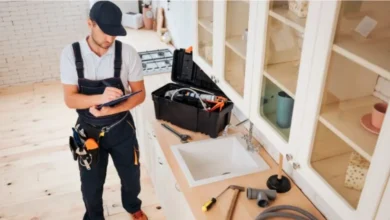
Heating systems contain electrical connections, mechanical assemblies, combustion components, and safety devices that require proper technical knowledge. Attempting complicated repairs without suitable training can create additional problems and expose homeowners to unnecessary safety risks. Experienced technicians understand how different furnace models operate and have the appropriate tools to diagnose common heating issues. They can inspect the equipment, identify the actual source of a malfunction, and recommend suitable solutions based on the system’s condition. Professional assistance is especially valuable when problems involve electrical failures, gas components, ignition systems, or damaged internal parts. Choosing a qualified service provider also helps ensure that necessary work is completed according to appropriate safety standards. Reliable technicians should explain their findings, discuss available repair options, and provide a clear estimate before performing major work. Homeowners should consider professional qualifications, licensing requirements, insurance coverage, experience, and customer reviews when selecting a heating specialist. A trustworthy technician will focus on solving the underlying problem rather than recommending unnecessary replacements. Professional furnace repair services can provide peace of mind while helping homeowners maintain dependable heating performance and avoid repeated problems caused by incomplete or incorrect repairs.
How Heating Problems Increase Energy Expenses
Heating equipment can consume a considerable amount of energy, particularly when it operates for extended periods during colder weather. When a furnace develops mechanical problems, its energy efficiency may decline because it requires additional time or effort to maintain the selected indoor temperature. Dirty filters, malfunctioning thermostats, blocked vents, damaged ductwork, and worn components can interfere with normal heating performance. As the system struggles to distribute warm air effectively, homeowners may notice that their heating bills increase even though their daily usage habits have not changed significantly. Improving energy efficiency begins with identifying the conditions that cause unnecessary energy consumption. Replacing dirty filters, maintaining suitable thermostat settings, improving insulation, and sealing air leaks can reduce the amount of heat lost throughout the property. Professional inspections can reveal additional concerns involving internal components, airflow, and equipment operation. Homeowners should also avoid setting the thermostat excessively high in an attempt to compensate for inadequate heating because this does not necessarily resolve the underlying issue. Maintaining the furnace properly helps support efficient operation and can reduce avoidable energy expenses over the long term.
Important Furnace Components That Require Inspection
A heating system contains several important components that must work together to produce and distribute warm air. The blower motor circulates heated air through the ductwork, while the thermostat controls when the system operates according to indoor temperature settings. In gas-powered furnaces, burners generate heat through controlled combustion, and the heat exchanger transfers that energy to the circulating air. The ignition system helps initiate the heating process, while electrical controls coordinate different operating functions. Problems involving any of these components can affect heating performance and may require professional inspection. Safety devices are equally important because they help prevent the equipment from operating under unsafe conditions. Limit switches, flame sensors, pressure switches, and other controls perform specific protective functions depending on the furnace design. A damaged heat exchanger, for example, can create serious combustion safety concerns and must be evaluated by a qualified professional. Homeowners should never attempt to bypass safety switches, modify gas connections, or open sealed mechanical compartments. Regular professional inspections help ensure that essential components remain in suitable working condition and that potential safety concerns are identified before they create more serious problems.
Preventing Unexpected Heating System Breakdowns
Unexpected heating failures can create significant inconvenience, especially when a household depends on the furnace for everyday comfort. Fortunately, several preventive practices can reduce the possibility of avoidable breakdowns. Homeowners should arrange regular professional inspections, replace air filters when necessary, and keep the area surrounding the heating equipment clean. It is also important to ensure that supply vents and return grilles remain unobstructed so that warm air can circulate properly. These simple steps help reduce unnecessary strain on the equipment and support more consistent heating performance. Another effective preventive measure is paying attention to unusual changes in how the system operates. If the furnace begins producing strange noises, takes longer to heat the home, or shuts down repeatedly, homeowners should arrange an inspection rather than ignoring the symptoms. Timely furnace repair can address developing mechanical problems before they affect additional components. Keeping records of previous maintenance appointments and completed repairs can also help technicians understand the equipment’s service history. A proactive maintenance approach is generally more convenient than waiting for a complete system failure during the coldest part of the year.
When Should You Consider Replacing an Old Furnace?
Although regular maintenance can extend the useful lifespan of heating equipment, every furnace eventually reaches a stage when replacement becomes worth considering. Older systems may experience frequent mechanical failures, declining energy efficiency, and increasing maintenance requirements. When repair expenses continue rising, homeowners should compare the cost of additional work with the potential benefits of installing a modern heating system. The age of the equipment, availability of replacement components, overall operating condition, and expected future maintenance expenses should all be considered before making a decision. A professional technician can evaluate the heating system and explain whether repairing the existing equipment or replacing it would provide better long-term value. Modern furnaces may offer improved efficiency, advanced temperature controls, quieter operation, and enhanced safety features. However, selecting the correct equipment is essential because an improperly sized furnace can create uneven temperatures and unnecessary energy consumption. Homeowners should request a detailed assessment that considers the building’s size, insulation, ductwork, and heating requirements. Comparing installation costs with potential long-term energy savings can help property owners make a practical and financially responsible decision.
Improving Indoor Comfort Through Better Heating Habits
Maintaining comfortable indoor temperatures requires more than simply installing a powerful heating system. Insulation, ventilation, air circulation, thermostat placement, and building conditions all influence how effectively warmth is distributed throughout a home. Poor insulation can allow heated air to escape through ceilings, walls, windows, and doors, forcing the furnace to operate for longer periods. Sealing common air leaks and improving insulation can help maintain indoor temperatures while reducing unnecessary heating demands. These improvements can also support a more comfortable environment by reducing cold drafts and temperature fluctuations. Homeowners can also benefit from using programmable thermostats that automatically adjust heating schedules according to their daily routines. Smart thermostats provide additional control and may offer useful features such as remote temperature adjustments and energy usage reports. Keeping the thermostat away from direct sunlight, heating appliances, and other sources of artificial warmth can help improve temperature readings. In addition, maintaining clear air pathways throughout the property supports better circulation. Combining these practical habits with regular equipment servicing helps create a more consistent indoor environment while supporting efficient heating system operation.
The Long-Term Value of Professional Heating Services
Investing in professional heating services is not simply about correcting problems after they occur. It is also about protecting household equipment, improving safety, and maintaining dependable indoor comfort over time. Regular inspections allow technicians to monitor the condition of essential components and identify changes that may affect future performance. This approach helps homeowners make informed decisions about maintenance schedules, replacement parts, and possible equipment upgrades. It also reduces the uncertainty associated with unexpected heating problems because the system receives attention before small concerns become more serious. Reliable furnace repair professionals can provide valuable recommendations based on the equipment’s age, operating condition, and service history. Their experience helps homeowners understand which issues require immediate attention and which maintenance tasks can be scheduled for a later date. They can also explain ways to improve airflow, maintain suitable thermostat settings, and reduce unnecessary equipment stress. Working with a dependable heating specialist creates an opportunity to maintain the system more effectively while avoiding repeated problems caused by overlooked maintenance. Over time, this combination of professional expertise and responsible household care can contribute to better equipment reliability and long-term value.
Conclusion
A properly maintained furnace is essential for creating a comfortable, safe, and energy-efficient indoor environment. Understanding common warning signs, replacing dirty air filters, scheduling routine inspections, and addressing mechanical problems promptly can help homeowners protect their heating equipment from unnecessary damage. Even small issues involving airflow, electrical connections, thermostats, or internal components can affect the overall performance of the system when left unresolved. Taking a proactive approach to maintenance makes it easier to identify developing concerns and maintain dependable heating throughout the colder months. Professional furnace repair services provide the technical expertise needed to diagnose problems, restore proper operation, and evaluate the condition of essential heating components. Choosing experienced technicians and following appropriate maintenance recommendations can help extend equipment lifespan while reducing the likelihood of unexpected breakdowns. Whether a heating system needs a minor adjustment, a replacement component, or a complete performance assessment, making informed decisions is essential. With consistent maintenance and timely professional support, homeowners can enjoy reliable heating, improved energy efficiency, and greater confidence in their home’s overall comfort.