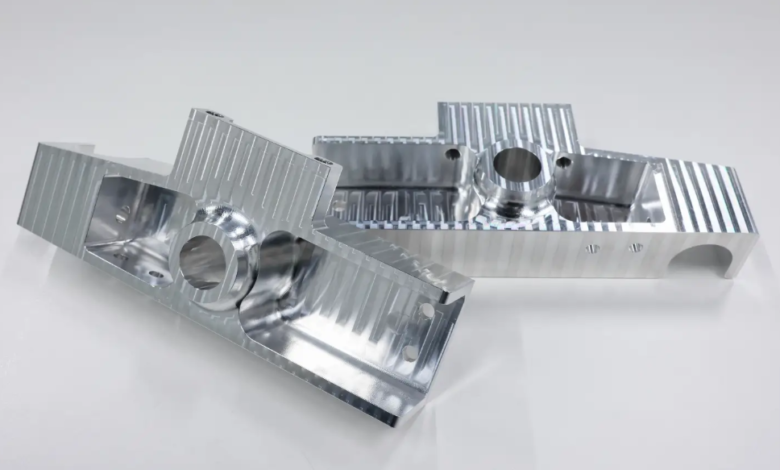

Only a design that can be manufactured accurately and reliably is a valuable digital part design. From CAD to component, there is a need for careful engineering, appropriate processes, controlled materials, and extensive quality checking. Today, rapid manufacturing links these steps efficiently, allowing developers to turn their ideas into a prototype and a production-ready component with no unnecessary delays or complexities.
-
Starting With a Manufacturing-Ready Digital Design
It all starts with a detailed CAD file that has the geometry of the component required. Engineering formats like STEP, IGES, STL, OBJ, and other popular formats can serve as the basis for Manufacturing Preparations. But the digital model that looks like it’s done is not necessarily the one that will be produced efficiently.
Design analysis is a process used to determine if features can be realistically and economically manufactured. Engineers think about the thickness of the walls, tolerances, internal features, access to tools, material needed, and other production requirements. This preliminary review is useful to detect problems early on in the material processing.
A structured workflow also maintains the transition in an organized manner. The design is uploaded, checked for quotation and manufacturing feasibility, approved for manufacturing, and then manufactured and delivered. 3ERP facilitates this evolution by linking digital design information with real-life manufacturing decisions.
-
Choosing the Right Process for the Part
Various manufacturing techniques are needed for the various physical parts. The choice of process will depend on geometry, quantity, material, surface requirements, mechanical performance, and application. There’s no single solution that can effectively address all manufacturing challenges.
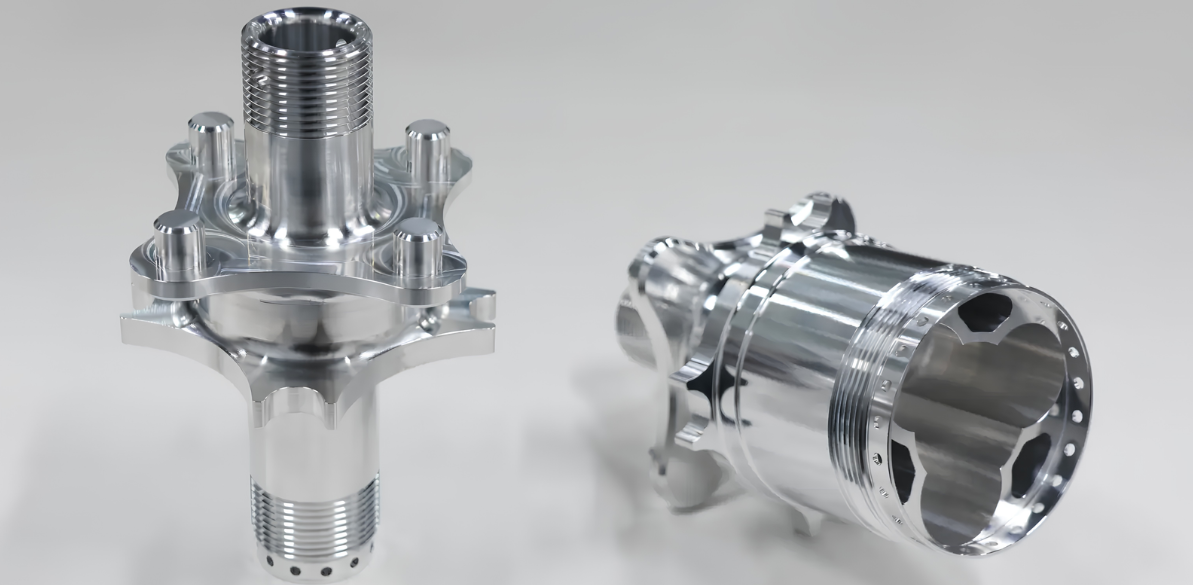
CNC machining can be used to manufacture metal and plastic parts with high precision. Milling is a process that is used to make complex features by controlled cutting, and turning is used for making rotational parts with precise cylindrical geometry. These processes can be used both for prototypes and production quantities.
Other designs can be injection molded, fabricated from sheet metal, vacuum cast, custom extruded, rapid-tooled, or additively manufactured. The right selection can minimize waste, decrease production lead times, and generate properties with closer proximity to the desired end-use.
Flexibility in manufacturing is important because the path of product development is seldom fixed. A prototype can start with machining, 3D printing, and then progress to tooling and repeatable production.
-
Matching Materials With Functional Requirements
The material chosen directly impacts the performance of a physical part. Appearance, electrical properties, chemical properties, weight, heat resistance, and strength can all play a role in the final decision. In manufacturing, therefore, it is not enough to duplicate a form.
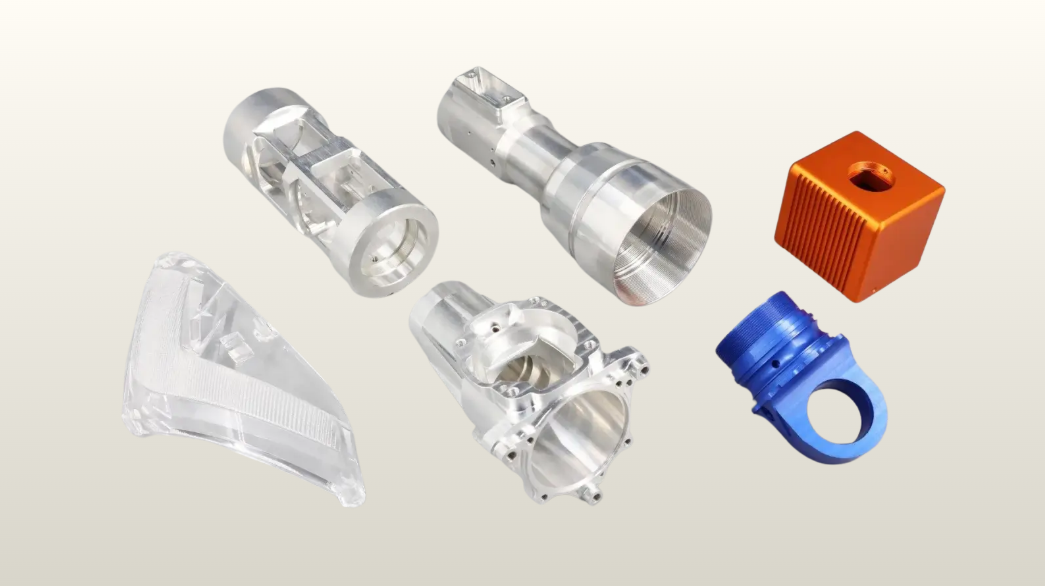
Over 100 metals and plastics provide a greater variety of materials that can be used to satisfy various engineering needs. Aluminium could be used for light-weight structural elements and steel for increased strength or durability. Engineering plastics may provide a weight reduction, electrical insulation, or appropriate performance for functional assemblies.
The manufacturing process should also be taken into account in the material selection. Some materials work well on a machine; others are better for molding and casting, printing, or extrusion. Avoid unnecessary compromises by making it functional and process-oriented.
The aim is to develop a part that is more than just a replica of the original CAD design. It should also function as per the mechanical and operating needs.
-
Building Accuracy Into Every Manufacturing Stage
Precision manufacturing requires control of the details during manufacture and not after manufacture. The dimensions are dependent on machine programming, tooling selection, cutting parameters, mold preparation, and process planning.
3ERP adopts ISO 9001:2015 quality management principles and has its own measuring and testing devices to ensure that materials and completed products meet specified requirements. This process helps ensure uniformity in the manufacturing of products starting from the initial prototype to the manufactured parts.
Special attention needs to be paid to critical tolerances, as they can have a significant impact on assembly performance if there are minor dimensional variations. Mating surfaces, holes, threads, bearing locations, and precision interfaces should match the engineering requirements.
Quality control thus becomes an integral part of the manufacturing process itself. Dimensional deviations can be detected by measuring equipment before the improper parts enter further into the production process.
-
Using the Right Manufacturing Capability
A broad manufacturing capability allows different designs to move through the most suitable production route. Instead of forcing every project into one process, manufacturers can align production methods with technical requirements.
Key capabilities can include:
- CNC machining for accurate prototypes and production components.
- Injection molding for prototype and larger-volume molded parts.
- Sheet metal fabrication using cutting, bending, stamping, punching, and welding.
- 3D printing for complex plastic and metal geometries.
- Vacuum casting for cost-effective polyurethane prototype batches.
- Rapid tooling for faster bridge production and repeatable parts.
- Custom extrusion for specialized aluminum or plastic profiles.
This range makes it easier to adapt manufacturing as a product develops. The process used for early validation does not always need to remain unchanged for final production.
-
Moving Quickly From Prototype to Production
Time is crucial as product development may require multiple testing and tweaking. Rapid prototypes enable engineers to view dimensions, test assembly relationships, and make realistic design changes before investing in larger production expenses.
Eligible parts with simple designs can have standard lead times of 3 days for parts within the specified size range. A reduction in the feedback loop between design changes and engineering validation can be realized by having faster access to physical components.
Production requirements may be subject to change after prototype approval. The volume can grow, the cost can become more critical, and repeatability becomes a must. Low-volume manufacturing can help leap, so that products can be taken forward without needing to make a massive investment up front.
3ERP can help with this evolution throughout rapid prototyping, low-volume manufacturing, and on-demand production. This continuity provides technical continuity as manufacturing needs change.
-
Finishing the Part for Its Final Application
More often than not, a manufactured part will need more than just accurate geometry. Surface treatment may affect appearance, corrosion resistance, wear characteristics, surface texture, or compatibility with other parts.
There are approximately 50 surface finishes available which can be used to prepare physical parts according to various functional and visual needs. Complete production may also be necessary to make prototypes more representative of intended production parts when testing or presenting the production product to others.
It is recommended to consider the finishing stage early, since some surface treatment may affect dimensions or there may be a specific material compatibility requirement. The more you think through these details prior to manufacturing, the more predictable the results will be.
The packaging and handling also count after production. Using the proper protection ensures the finished surfaces and precision features are maintained during transport.
Conclusion
It takes more than just running a machine to transform a custom design into a quality physical part. This includes design analysis, process selection, material planning, precision manufacturing, inspection, finishing, and production coordination.
A seamless manufacturing process converts CAD data into parts that can be tested, assembled, and manufactured for actual use. With the integration of various manufacturing technologies and a structured quality control process, custom designs can move from initial ideas to reliable and tangible physical products faster, more flexibly, and with more technical confidence.