The Ultimate Guide to Forklift Rentals for Construction, Warehousing, Manufacturing, and Material Handling

Forklifts are essential material handling machines used to move, lift, stack, and transport heavy loads in many professional environments. Construction projects, warehouses, manufacturing facilities, distribution operations, storage areas, and industrial workplaces often depend on reliable lifting equipment to keep daily activities organized and productive. Purchasing a forklift may not always be the most practical choice, especially when equipment is needed for a temporary project, seasonal workload, or occasional application. In these situations, forklift rentals can provide businesses with access to suitable equipment without requiring the long-term financial commitment associated with ownership. Renting also gives companies an opportunity to choose different forklift models based on load capacity, lifting height, operating environment, and project duration. Before selecting equipment, however, businesses should understand the different types of forklifts, their applications, safety requirements, maintenance responsibilities, transportation needs, and overall rental costs.
Understanding Forklifts and Their Purpose
A forklift is a powered industrial vehicle designed to lift and transport materials using forks or other approved attachments. The machine operates by positioning its forks beneath a pallet, container, or suitable load and raising it to the required height. Forklifts are available in many configurations, with differences in lifting capacity, mast design, fuel type, tire configuration, turning radius, and operating environment. When considering forklift rentals, businesses should first identify the type of materials that need to be moved and determine the weight and dimensions of those loads. A forklift selected for lightweight warehouse work may not be appropriate for demanding construction applications. Understanding the basic purpose and operating limitations of different machines helps businesses make a more informed equipment decision and avoid selecting a forklift that does not match the requirements of the project.
Why Renting a Forklift Can Be a Smart Choice
Buying a forklift involves more than the initial purchase price. Owners must also consider servicing, repairs, inspections, storage, insurance, depreciation, batteries or fuel, replacement parts, and transportation. For businesses that do not use forklifts continuously, these long-term responsibilities can make ownership less attractive. Forklift rentals provide an alternative by allowing companies to use equipment for a defined period and return it after the project or busy operating period ends. Renting can be particularly useful for temporary construction work, seasonal inventory increases, warehouse expansion, equipment replacement, or unexpected increases in material handling requirements. Businesses can also select different forklift models for different projects instead of relying on a single machine. This flexibility can help companies manage equipment costs while gaining access to machines that match their current operational needs.
Common Types of Forklifts
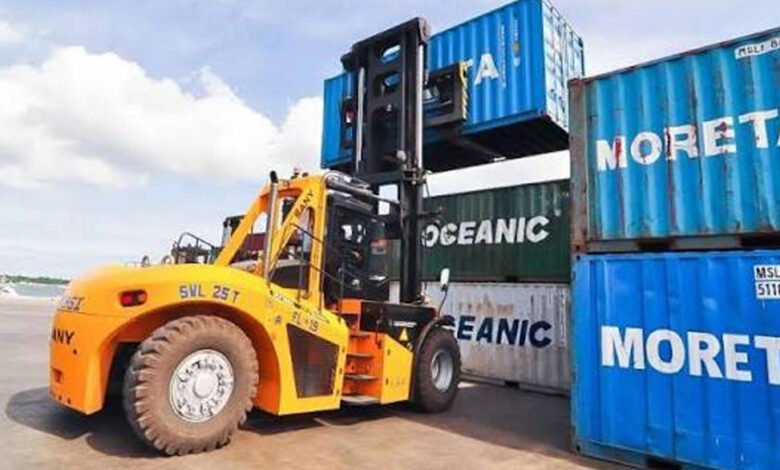
Forklifts come in several designs, each intended for particular working conditions. Counterbalance forklifts are among the most common and are widely used for general material handling. Reach trucks are designed for applications where operators need to place loads at greater heights within storage racks. Pallet trucks are suitable for moving palletized loads over shorter distances, while rough-terrain forklifts are designed for demanding outdoor environments. Electric forklifts can be useful for indoor operations where low emissions and reduced noise are important, while internal-combustion models may be suitable for certain outdoor or heavy-duty applications. When evaluating forklift rentals, businesses should compare equipment types according to load requirements, working surfaces, lifting height, aisle width, operating hours, and environmental conditions. Selecting the correct type can improve productivity and help ensure that the equipment performs effectively within its intended environment.
Determining the Required Load Capacity
Load capacity is one of the most important specifications to consider before renting a forklift. Every forklift has a rated capacity that defines the maximum load it is designed to lift under specified operating conditions. Businesses should determine the typical and maximum weights they expect to handle and select equipment accordingly. When arranging forklift rentals, users should provide accurate information about the materials being moved, including their approximate weight, dimensions, and center of gravity. Loads should never exceed the manufacturer’s rated capacity, and operators should understand that capacity can be affected by factors such as lifting height, attachments, and load positioning. Choosing a machine with insufficient capacity can create operational and safety problems, while selecting equipment with significantly more capacity than necessary may increase rental and transportation costs. Careful capacity assessment helps businesses choose equipment that is both appropriate and practical.
Evaluating Lifting Height
The required lifting height should also be determined before selecting a forklift. Warehouses and storage facilities may require machines capable of placing pallets on high racks, while construction projects may have different lifting requirements. Operators need to know the maximum height at which loads must be positioned and whether the forklift can safely reach that level with the expected load. During forklift rentals, businesses should communicate their storage and lifting requirements to the equipment provider. Mast configuration and overall machine dimensions should also be considered because a forklift that can lift high may not necessarily fit comfortably within the available workspace. Selecting equipment based on both lifting height and operating environment helps prevent delays and improves the efficiency of material handling operations.
Considering the Operating Environment
The surface and environment where the forklift will operate can strongly influence equipment selection. Indoor warehouses may have smooth floors, narrow aisles, limited ventilation, and strict noise requirements. Outdoor construction areas may have uneven ground, debris, slopes, weather exposure, and changing site conditions. Businesses arranging forklift rentals should provide detailed information about the intended operating environment so an appropriate machine can be selected. Tire type, ground clearance, traction, turning radius, and power source may all influence performance. A forklift designed primarily for smooth indoor floors may not be suitable for rough outdoor terrain. Similarly, a large outdoor forklift may be difficult to maneuver within narrow warehouse aisles. Matching the machine to the environment can improve efficiency and reduce unnecessary operating difficulties.
Forklifts in Construction
Construction sites often require forklifts to move building materials, pallets, equipment, tools, and supplies around the work area. Depending on the site conditions, businesses may require machines with greater ground clearance, durable tires, and capabilities suited to uneven surfaces. Construction projects can also involve changing layouts, temporary storage areas, ramps, and other obstacles that affect material handling. Before arranging forklift rentals for construction work, project managers should evaluate the terrain, load requirements, lifting heights, travel distances, and available operating space. The equipment should be capable of moving materials efficiently without exceeding its intended operating conditions. Proper planning can help construction teams position materials closer to work areas, reduce manual handling, and improve overall project organization. Equipment selection should always reflect actual site conditions rather than relying only on general forklift specifications.
Forklifts in Warehousing
Warehouses often rely heavily on forklifts to move pallets, organize inventory, load and unload deliveries, and place products into storage racks. In these environments, maneuverability and lifting height can be just as important as overall capacity. Narrow aisles may require specialized equipment with a smaller turning radius, while high storage systems may require machines with suitable mast configurations. Businesses using forklift rentals for warehouse operations should evaluate aisle widths, rack heights, floor conditions, load sizes, and expected operating hours. Electric models may be attractive for indoor operations because of their operating characteristics and suitability for controlled environments. Selecting equipment that fits the physical layout of the warehouse can improve movement efficiency and reduce unnecessary repositioning. Proper equipment planning can also help workers maintain organized storage areas and streamline inventory handling.
Forklifts in Manufacturing
Manufacturing facilities use forklifts for transporting raw materials, finished products, components, machinery, and production supplies. Because manufacturing environments may involve continuous movement and strict workflow requirements, reliable material handling equipment can be important to overall productivity. Before choosing forklift rentals, manufacturers should consider production schedules, load weights, travel distances, floor conditions, and available storage areas. Equipment dimensions should be compatible with production aisles and designated material handling routes. Businesses may also need to consider emissions, noise, and other environmental factors depending on the facility. The right forklift can help move materials between storage and production areas efficiently, supporting smoother workflows and reducing unnecessary manual transportation.
Operator Training and Workplace Safety
Forklifts are powerful machines that require trained and authorized operators. Operators should understand the machine’s controls, capacity limits, stability characteristics, load handling procedures, and workplace traffic rules. Businesses using forklift rentals should ensure that operators are properly trained and familiar with the specific equipment being used. Training should cover pre-use inspections, safe travel, load positioning, parking, visibility concerns, pedestrian awareness, and emergency procedures. Operators should never exceed the rated capacity or use the forklift for purposes outside its intended design. Work areas should also be organized to reduce unnecessary interaction between forklifts and pedestrians. A strong safety culture supported by appropriate training and supervision can help reduce preventable incidents and promote responsible equipment operation.
Pre-Use Inspection Requirements
A forklift should be inspected before it is operated, even when it has recently been serviced or delivered by a rental provider. Operators should check relevant components according to the manufacturer’s inspection instructions and workplace procedures. Areas of attention may include tires, forks, mast components, hydraulic systems, brakes, steering, controls, warning devices, and visible signs of damage or leaks. During forklift rentals, any existing damage should be documented and reported to the provider before the machine is placed into service. If an important safety issue is identified, the equipment should not be operated until the problem has been properly addressed. Daily inspections can help identify developing issues before they result in equipment downtime or unsafe operating conditions. Consistent inspection procedures are an important part of responsible forklift management.
Fuel and Power Options
Forklifts can use different power sources, including electric batteries, gasoline, diesel, and other configurations depending on the model. The appropriate option depends on the operating environment and project requirements. Electric forklifts can be useful for certain indoor operations where emissions and noise need to be controlled, while internal-combustion models may provide advantages for some outdoor or demanding applications. When comparing forklift rentals, businesses should consider expected operating hours, charging or refueling availability, ventilation, terrain, and maintenance requirements. Battery-powered equipment may require appropriate charging infrastructure and scheduling to maintain availability throughout a shift. Fuel-powered equipment requires suitable refueling arrangements and proper attention to workplace conditions. Choosing the right power source can make equipment easier to manage and better suited to the working environment.
Transportation and Delivery Planning
Forklifts vary in size and weight, so transportation should be considered before finalizing a rental agreement. Larger machines may require specialized delivery arrangements, while compact equipment may have simpler transportation requirements. Businesses should ensure that the delivery route can accommodate the equipment and that the operating area is ready when the forklift arrives. When arranging forklift rentals, users should communicate access restrictions, delivery schedules, loading areas, and other relevant site details to the provider. The equipment should be inspected upon arrival, and any visible damage should be recorded. Collection arrangements should also be established in advance so the forklift can be removed efficiently when the rental period ends. Good transportation planning can reduce delays and help ensure that the equipment is available when the project requires it.
Understanding Rental Costs
Forklift rental costs can vary according to equipment type, lifting capacity, mast height, rental duration, power source, transportation, availability, and additional services. Businesses should calculate the total expected rental expense rather than focusing only on the advertised daily or weekly rate. Delivery, collection, deposits, insurance requirements, fuel or charging costs, damage policies, and other charges may influence the final price. When comparing forklift rentals, users should evaluate the equipment’s capabilities alongside the complete rental cost. A machine that costs slightly more but provides better capacity, maneuverability, or productivity may offer greater overall value. Businesses should also understand the terms covering rental extensions in case a project lasts longer than initially planned. Reviewing the agreement carefully can help prevent unexpected expenses and make budgeting more accurate.
Maintenance During the Rental Period
Rental providers generally manage major servicing and scheduled maintenance, but users still have responsibilities while the equipment is in their possession. Operators should perform required inspections, use the forklift according to manufacturer instructions, and report mechanical concerns promptly. Unusual noises, warning indicators, fluid leaks, damaged forks, steering problems, or other abnormalities should not be ignored. During forklift rentals, users should avoid unauthorized repairs or modifications and contact the rental provider when technical support is required. Proper operation can also reduce unnecessary wear and prevent avoidable damage. Keeping equipment clean and using it within its intended limits can contribute to reliable performance. Prompt communication with the rental provider allows problems to be assessed and addressed before they cause extended downtime.
Improving Material Handling Efficiency
A forklift can improve productivity when it is integrated properly into the workflow. Businesses should establish clear material handling routes and organize storage areas so operators can move loads efficiently. Work teams should prepare materials before the forklift arrives and avoid unnecessary travel or repeated repositioning. When using forklift rentals, companies can plan the rental period around high-demand activities to maximize equipment utilization. Operators should understand where materials need to be delivered and how loads should be stored once moved. Clear communication between forklift operators, warehouse staff, construction crews, and supervisors can reduce confusion and improve workflow. Proper planning can also minimize unnecessary equipment idle time, helping businesses receive greater value from their rental investment.
Common Mistakes to Avoid
Businesses can encounter problems when they select a forklift without fully understanding their operational requirements. Choosing equipment based only on lifting capacity while ignoring aisle width, lifting height, surface conditions, or machine dimensions can result in an unsuitable machine. Another common mistake is failing to calculate the complete rental cost before agreeing to equipment. Businesses should also avoid overlooking operator training, pre-use inspections, and proper site preparation. Before confirming forklift rentals, users should identify the loads, operating environment, lifting height, expected rental period, and transportation requirements. The rental agreement should also be reviewed carefully so responsibilities are clearly understood. Avoiding these mistakes can help businesses select more appropriate equipment and reduce preventable delays, costs, and operational problems.
Making the Most of Rented Equipment
To get maximum value from a rented forklift, businesses should begin planning before the equipment arrives. This includes identifying the required machine specifications, preparing the operating area, scheduling trained operators, organizing loads, and establishing clear traffic routes. Equipment should be used efficiently during the rental period rather than sitting idle because materials or workers are unavailable. Companies should also communicate with the rental provider if project requirements change or additional rental time becomes necessary. Careful use and regular inspections can help protect the equipment and reduce avoidable damage. Businesses using forklift rentals can benefit from treating the machine as an important part of the overall workflow rather than simply as temporary equipment. Good planning, responsible operation, and clear communication can make rental equipment more productive and cost-effective.
Final Thoughts
Forklifts can play an important role in construction, warehousing, manufacturing, distribution, and many other material handling operations. Renting provides businesses with flexibility when they need equipment temporarily, seasonally, or for projects that require specialized lifting capabilities. The right machine should be selected according to load capacity, lifting height, operating environment, maneuverability, power source, rental duration, and transportation requirements. Safety should remain a priority through proper operator training, pre-use inspections, responsible load handling, and compliance with manufacturer instructions and workplace procedures. By evaluating their requirements carefully and comparing equipment based on total value, businesses can make more informed decisions about forklift rentals. A well-planned rental strategy can provide access to suitable material handling equipment while helping companies control costs, improve workflow efficiency, and manage changing operational demands.