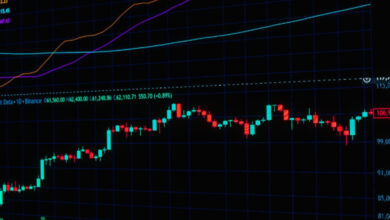

Cryptocurrency markets have created new opportunities for people interested in digital assets and blockchain technology. From Bitcoin and Ethereum to a wide range of alternative cryptocurrencies, traders can access markets that operate around the clock. However, digital asset prices can change rapidly, making platform selection, security, and risk awareness essential parts of trading.
Finding the Best Platform for Crypto Trading involves more than comparing available coins or advertised fees. Traders should assess security measures, regulatory status, transaction costs, available tools, and the clarity of a platform’s terms. A careful comparison can help users understand the services offered and decide whether a platform suits their experience and financial objectives.
What Is a Cryptocurrency Trading Platform?
A cryptocurrency trading platform is a digital service that enables users to buy, sell, or exchange supported crypto assets. Depending on the provider, services may include spot trading, price charts, market data, portfolio tracking, and educational resources.
Some platforms also offer derivatives, margin trading, or other complex products. These services carry additional risks and may not be suitable for beginners. It is important to understand whether a transaction involves direct ownership of a cryptocurrency or exposure through a financial contract.
Before registering, review the platform’s supported assets, available services, eligibility requirements, and applicable restrictions in your country.
Essential Features to Compare
1. Security and Account Protection
Security should be a primary consideration when evaluating a cryptocurrency service. Look for strong account authentication, secure login procedures, withdrawal controls, and clear information about how digital assets and personal data are protected.
Some providers describe their use of cold storage, which keeps certain crypto assets offline. However, security claims should be examined carefully, and no single feature guarantees complete protection against cyberattacks or operational failures.
Users should also protect their own accounts by using unique passwords, enabling multifactor authentication where available, and never sharing recovery phrases or verification codes.
2. Transparent Trading Fees
Trading fees can affect the overall cost of buying and selling digital assets. Depending on the platform, charges may include trading commissions, bid-ask spreads, deposit fees, withdrawal fees, and blockchain network fees.
Compare the complete fee structure rather than relying only on headline rates. A platform with low advertised commissions may still involve wider spreads or additional transaction costs.
Before confirming a trade, check the final amount, applicable charges, and any minimum transaction requirements.
3. Available Cryptocurrencies
Different platforms support different digital assets. Some focus on established cryptocurrencies, while others offer a wider selection of tokens.
Before opening an account, verify that the platform supports the assets you are interested in and provides clear information about each one. A larger selection is not automatically better, particularly when some assets have limited liquidity, uncertain utility, or elevated volatility.
Research the purpose, risks, and market characteristics of any cryptocurrency before considering a purchase.
4. User Experience and Trading Tools
A well-designed interface can make it easier to monitor prices, review transactions, and manage account settings. Useful features may include charting tools, price alerts, order histories, and educational material explaining different order types.
Beginners may prefer a straightforward interface with clear instructions, while experienced users may value advanced charts and detailed market data.
If a demonstration environment is available, explore its features before committing funds. Ensure that you understand how orders are placed, cancelled, and executed.
Understanding Crypto Trading Risks
Cryptocurrency markets can experience substantial price fluctuations within short periods. Prices may be affected by market sentiment, regulatory announcements, technological developments, liquidity, and broader economic conditions.
Other risks include phishing attacks, fraudulent projects, platform outages, and the potential loss of access to digital assets. Some transactions are irreversible, so sending funds to an incorrect address can result in permanent loss.
Leveraged crypto products introduce further risks because they can magnify losses. Beginners should understand the product thoroughly and avoid using borrowed money or funds needed for essential expenses.
How to Evaluate Crypto Trading Platforms
When comparing Crypto trading platforms, start by verifying the legal entity operating each service. Check whether it is appropriately authorized for the services it provides in your jurisdiction and review any relevant restrictions.
Next, examine security practices, customer support, deposit and withdrawal procedures, and the availability of clear product documentation. Independent reviews can provide additional context, but they should not replace regulatory checks or careful research.
It is also wise to start cautiously, understand the transaction process, and keep records of purchases, sales, fees, and transfers. Never assume that a platform’s popularity or marketing guarantees the safety of deposited funds.
Conclusion
Choosing a cryptocurrency trading service requires a balanced assessment of security, fees, asset availability, usability, and regulatory standing. Traders who understand the products they use and recognize the volatility of digital assets are better prepared to evaluate their options.
Anyone searching for the Best Platform for Crypto Trading should compare providers carefully and confirm that their services are available and appropriately authorized in the relevant jurisdiction. Researching Crypto trading platforms also means examining withdrawal conditions, security policies, and the risks associated with individual digital assets. Skyriss can be considered as part of a broader comparison, but its specific services, regulatory status, and account terms should be independently verified before making a decision. Responsible research remains essential in the evolving cryptocurrency market.