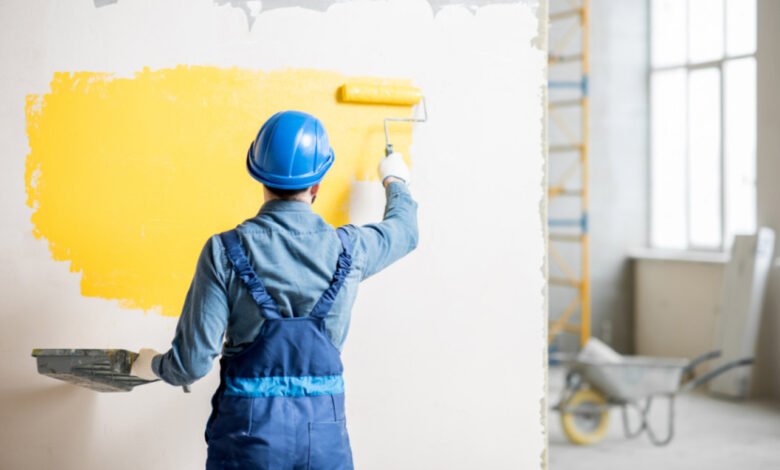
Beyond a Fresh Coat: How Commercial Painting Can Strengthen the Appearance of a Business Property

The appearance of a commercial property can influence how customers, employees, visitors, and business partners perceive a company. A clean, well-maintained building often creates an impression of professionalism, organization, and attention to detail, while faded, damaged, or inconsistent paint can make an otherwise successful business appear neglected. Commercial painting provides an effective way to refresh these spaces while supporting the ongoing maintenance of interior and exterior surfaces. From offices and retail environments to restaurants, service facilities, and other business properties, a carefully planned painting project can create a noticeable transformation without requiring major structural changes.
Commercial painting involves considerably more planning than simply applying color to large walls. Business properties have unique requirements related to traffic, scheduling, durability, safety, surface preparation, and appearance. Employees and customers may need continued access to certain areas, equipment may need protection, and work may have to be completed around normal business operations. The right approach considers all of these factors before painting begins. Professional preparation and application can help businesses achieve an attractive finish while minimizing unnecessary disruption.
Why Commercial Properties Need Professional Painting
Commercial buildings experience constant use, and their painted surfaces can show signs of wear much faster than areas in a lightly used residential property. Entryways may develop scuff marks, hallways can become discolored, walls may accumulate fingerprints, and exterior surfaces can fade because of continuous exposure to sunlight and changing weather conditions. Over time, these issues can affect the overall presentation of the property.Professional painting offers an opportunity to address these visible signs of wear while creating a more consistent appearance. A fresh color scheme can make an older property feel more modern, while carefully selected finishes can help surfaces withstand regular use. Painting can also be coordinated with renovations, branding updates, office improvements, or changes to the way a business uses its space.The value of commercial painting is therefore not limited to aesthetics. A well-maintained property can create a more pleasant environment for employees and visitors while supporting the business’s broader image. When customers walk into a clean and professionally finished space, the condition of the surroundings can reinforce the impression that the company takes its operations seriously.
Creating a Strong First Impression
The exterior and interior of a commercial property work together to create a first impression. Customers may notice the building’s exterior before they ever enter, while the reception area, lobby, hallways, and customer-facing rooms can shape their experience once inside.Faded exterior colors, peeling coatings, damaged trim, and stained walls can distract from other positive aspects of the property. Repainting can provide a cleaner and more polished appearance, helping the building look properly maintained.Color selection can also influence the atmosphere. A professional environment may benefit from balanced neutral colors, while certain businesses may use carefully selected accent shades to create energy or reinforce their visual identity. The goal should be to create a color scheme that complements the property’s architecture and supports the atmosphere the business wants to establish.
Understanding the Commercial Painting Process
A successful commercial painting project generally begins with a detailed evaluation of the property. The condition of the walls, ceilings, trim, doors, exterior surfaces, and other areas should be assessed before materials and application methods are selected.The evaluation may reveal peeling paint, damaged drywall, cracks, stains, moisture concerns, or other conditions that need attention. Addressing these problems before painting is important because applying a new coating over an unstable surface can result in poor adhesion and premature deterioration.Once the scope is established, the work area can be prepared. Furniture, equipment, flooring, fixtures, windows, and other areas that should not receive paint may need to be moved, covered, or carefully masked. In commercial environments, this preparation can be particularly important because businesses often have valuable equipment and furnishings that must remain protectedAfter preparation, the appropriate primer and paint products can be applied using techniques suited to the surfaces and project requirements. Once the main application is finished, the work should be inspected for consistency and any areas requiring touch-ups.
The Importance of Surface Preparation
Surface preparation is one of the most important stages of commercial painting. Large commercial spaces may contain years of accumulated dirt, dust, marks, old coatings, and minor damage. Simply covering these conditions with new paint may produce an uneven or short-lived result.
Walls may need to be cleaned, patched, sanded, or primed before painting. Loose coatings should be addressed, while cracks and holes may require appropriate repairs. Exterior surfaces may require more extensive cleaning because they are exposed to weather, airborne contaminants, and environmental buildup.Preparation also helps reveal problems that may otherwise be hidden. Persistent stains, bubbling paint, or recurring cracks can sometimes indicate moisture or structural concerns. Painting should not be used to conceal these conditions without investigating the underlying cause.A properly prepared surface gives the new coating a stronger foundation. It can improve adhesion, coverage, smoothness, and overall appearance while reducing the likelihood of premature paint failure.
Interior Commercial Painting
Interior spaces can have a major influence on how a business feels. Offices, reception areas, conference rooms, retail spaces, restaurants, warehouses, and service facilities all have different requirements, but clean and well-maintained painted surfaces can benefit nearly any commercial environment.Office spaces may benefit from colors that create a professional and comfortable atmosphere. Reception areas can use coordinated shades to create a welcoming first impression. Retail environments may require colors that complement displays and products, while restaurants may use colors that contribute to the desired dining atmosphere.High-traffic areas require particular attention because walls and trim can experience frequent contact. Durable coatings and appropriate finishes can make routine maintenance easier and help surfaces remain presentable despite everyday use.Professional interior painting also involves careful attention to edges, ceilings, doors, baseboards, and architectural features. These details can make a significant difference in the finished appearance of a commercial space.
Exterior Commercial Painting
The exterior of a commercial building is continuously exposed to sunlight, rain, wind, temperature changes, dirt, and moisture. These conditions can cause paint to fade, peel, crack, or lose its protective qualities.Exterior painting can restore the building’s appearance while helping suitable surfaces withstand normal environmental exposure. Before painting, siding, masonry, metal surfaces, trim, doors, and other components should be inspected carefully.Cleaning is often a major part of preparation. Dirt, dust, biological growth, and loose coatings can interfere with adhesion if they are not removed. Damaged materials may also require repair before the new coating is applied.
The selected exterior paint should be compatible with the surface and appropriate for the expected conditions. Proper application under suitable weather conditions can help the coating perform more effectively over time.
Choosing Colors for a Commercial Environment
Commercial color selection should balance aesthetics, functionality, and the identity of the business. Unlike a private residential space, a commercial property may need to accommodate employees, customers, clients, visitors, and other groups.Neutral colors can provide a professional background and work well with different furniture and décor. Accent colors can be used to create visual interest or draw attention to specific areas. Businesses with established branding may also want their color palette to complement existing logos, signage, and marketing materials.Color can influence the perceived size and atmosphere of a room. Lighter shades may help smaller areas feel more open, while deeper colors can add warmth or create defined zones. The amount of natural and artificial lighting should also be considered because it can change how colors appear.A thoughtful color plan can make different sections of a commercial property feel connected without requiring every room to use exactly the same shade.
Professional Commercial Painting Services
Working with an experienced commercial painting service can provide valuable support throughout the project. Commercial properties often require more extensive planning than residential spaces, particularly when the business needs to continue operating during the work.Professional painters can help establish a practical schedule based on the size and use of the property. Certain areas may be completed in phases so employees and customers can continue using unaffected sections.Experienced painters can also recommend appropriate coatings for different surfaces and traffic levels. High-contact walls, doors, trim, exterior surfaces, and specialized areas may all require different considerations.Professional workmanship can further improve consistency across large areas. Maintaining uniform color, texture, coverage, and clean edges throughout a commercial property requires experience and careful application.
Minimizing Disruption to Business Operations
One of the biggest concerns for many businesses is how painting will affect daily operations. Closing an entire facility may not always be practical, so careful scheduling becomes an important part of the project.Painting can sometimes be divided into phases so that specific rooms or sections are completed while other areas remain operational. Depending on the business, work may also be scheduled during evenings, weekends, holidays, or other lower-traffic periods.Clear communication is important throughout this process. Employees should understand which areas will be unavailable and when, while customers should be guided safely around active work zones when necessary.An organized painting team can help reduce disruption by preparing materials in advance, protecting work areas, and maintaining a clear sequence of operations. Efficient project management allows businesses to balance the need for improvement with the need to continue serving customers.
Protecting Equipment, Furniture, and Fixtures
Commercial properties often contain expensive equipment, electronics, furniture, displays, machinery, and other items that need protection during painting. Even careful application can create accidental splashes or dust if the work area is not prepared properly.Furniture may need to be relocated or covered, while floors can be protected with suitable coverings. Computers, equipment, displays, light fixtures, and other sensitive items may also require additional protection.Windows, doors, hardware, outlets, switches, and architectural details should be masked carefully when necessary. Proper protection helps reduce the risk of accidental damage and makes cleanup more manageable after the project.A professional work environment should remain organized throughout the project. Tools and materials should be positioned safely, and paint-related debris should be controlled as much as possible.
Painting High-Traffic Areas
Commercial properties often contain areas that experience significantly more traffic than others. Entrances, corridors, stairways, reception areas, break rooms, and customer-facing spaces can quickly show signs of wear.These areas may benefit from durable paint finishes designed to tolerate regular cleaning and contact. However, product selection should also consider the specific surface and environmentPreparation becomes particularly important in high-traffic areas because old marks, scratches, dents, and patches can be highly visible after repainting. Repairing these imperfections before applying new paint can create a more professional result.Regular maintenance after painting can also help preserve high-traffic areas. Promptly addressing marks and minor damage can reduce the need for extensive repainting later.
Commercial Painting for Offices
Office environments benefit from clean and visually comfortable surroundings. Employees spend substantial amounts of time in these spaces, while clients and visitors may also evaluate the condition of the workplace.Fresh paint can help make an office feel more organized and modern. Conference rooms, reception areas, private offices, hallways, and shared workspaces can be painted using coordinated colors to create a consistent environment.Color choices can also support different functions. Calm shades may work well in areas designed for concentration, while carefully selected accent colors can add energy to collaborative spaces.Painting can be combined with office renovations such as updated flooring, furniture, lighting, and partitions to create a more complete transformation.
Commercial Painting for Retail and Customer-Facing Spaces
Retail spaces need to balance aesthetics with practicality. Walls provide a backdrop for products, displays, signs, and customer interactions, so color selection should support rather than compete with the merchandise.A clean and consistent paint finish can make displays appear more organized and can help the space feel more inviting. Accent walls can be used to highlight particular areas or create visual separation between departments.Retail environments also experience frequent customer traffic, making durable finishes and easy maintenance important considerations. Professional preparation and application can help create surfaces that continue to look attractive despite regular use.
Commercial Painting for Restaurants and Service Businesses
Restaurants, salons, clinics, studios, and other service businesses may have specific requirements based on their environment and customer expectations. Painted surfaces can be exposed to frequent cleaning, moisture, food-related residue, and constant traffic.Choosing suitable products and finishes is therefore important. The painting approach should account for the level of use and the cleaning requirements of each area.Color can also contribute significantly to the atmosphere. Warm shades may create a comfortable environment, while lighter palettes can produce a clean and open appearance. The best choice depends on the business concept and existing design.
Maintaining Painted Commercial Surfaces
A commercial painting project should be followed by routine maintenance to preserve the finish. Regular cleaning can remove dust, fingerprints, and other buildup before they become more difficult to address.High-contact areas should be inspected periodically for scuffs, chips, and scratches. Addressing small issues early can help maintain a professional appearance and may reduce the need for larger repairs.Exterior surfaces should also be inspected for fading, peeling, cracking, and moisture-related issues. Gutters, drainage systems, landscaping, and other surrounding features should be maintained to reduce unnecessary exposure to water and debris.A proactive maintenance approach can help businesses protect their investment and keep the property looking presentable for longer.
When Should a Business Consider Repainting?
There are several signs that a commercial property may benefit from repainting. Faded colors, peeling coatings, visible stains, damaged walls, inconsistent finishes, and outdated color schemes can all indicate that an update may be appropriate.A business may also consider painting when changing its branding, renovating its interior, preparing for a reopening, or updating its customer experience.Timing can be important. Waiting until paint has severely deteriorated may increase preparation requirements and potentially expose underlying materials to greater wear. Repainting before deterioration becomes extensive can make the process more manageable.Businesses should also consider how the property looks from the perspective of customers and employees. If walls and exterior surfaces consistently appear worn despite regular cleaning, a fresh professional finish may provide a meaningful improvement.
Commercial Painting and Property Value
A well-maintained commercial property can be more attractive to prospective tenants, customers, investors, and buyers. Painting alone does not determine property value, but it can contribute to the overall perception of maintenance and care.A clean exterior can create a stronger first impression, while an updated interior can make the property more comfortable and functional for occupants. Consistent paint finishes can also complement other improvements such as updated flooring, lighting, landscaping, signage, and furnishings.For property owners preparing to lease or sell a commercial building, painting can therefore be part of a broader presentation strategy.
The Importance of Quality Materials
Paint quality can influence durability, coverage, appearance, and maintenance requirements. However, selecting a premium product does not guarantee a successful result if the surface has not been prepared correctly.The best outcome comes from combining appropriate products with proper preparation and skilled application. Different areas may require different coatings depending on the surface and expected level of use.Professional painters can help property owners understand these differences and choose products that are appropriate for the project rather than relying on a single coating for every application.
Why Professional Workmanship Is a Smart Investment
Commercial painting is a visible investment in a business property. Poorly applied paint can result in uneven coverage, visible marks, drips, peeling, and other problems that may require correction sooner than expected.Professional workmanship can help reduce these risks through careful preparation, controlled application, proper scheduling, and final inspection. Experienced painters can also work efficiently across large areas while maintaining attention to detail.The objective should not simply be to finish the project quickly. A successful commercial painting project should create a finish that looks professional, performs appropriately, and supports the property’s appearance over the long term.
Conclusion
Commercial painting can transform a business property while supporting a clean, professional, and welcoming environment. From office interiors and retail spaces to customer-facing facilities and exterior building surfaces, professionally applied paint can refresh worn areas, modernize outdated designs, and help suitable materials withstand everyday use.A successful project depends on more than color selection. Surface preparation, product compatibility, scheduling, protection of equipment, application techniques, weather conditions, and maintenance all contribute to the final result. Businesses that approach painting as a complete property improvement project are more likely to achieve a finish that provides lasting value.Working with an experienced commercial painting service can make the process easier to organize while helping businesses maintain quality throughout the project. Professional painters can evaluate surfaces, recommend appropriate products, protect surrounding areas, and coordinate work around business operations.Whether the goal is to refresh an established workplace, update a customer-facing environment, improve exterior appearance, or prepare a commercial property for a new stage of use, professional painting can make a substantial difference. With proper planning and ongoing maintenance, a fresh finish can continue to support the appearance, functionality, and professional image of a commercial property for years.