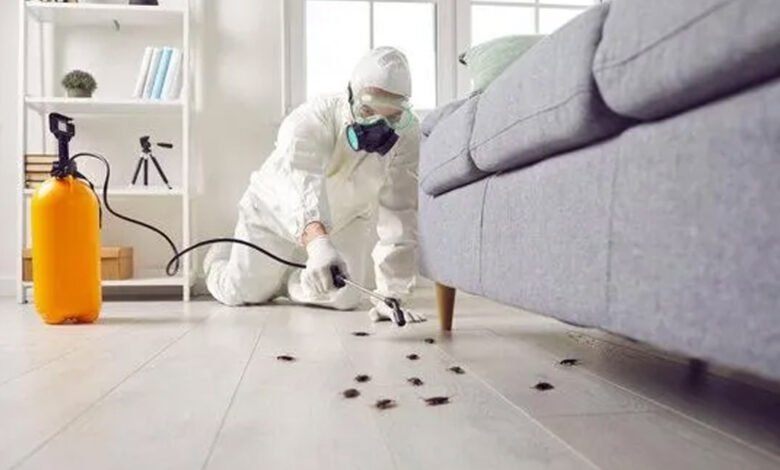

Cockroach infestations can quickly become a frustrating problem for homeowners and businesses. These pests are highly adaptable and can survive in kitchens, bathrooms, storage areas, basements, garages, restaurants, offices, and other environments where they can find food, moisture, and shelter. Because cockroaches often remain hidden during the day, an infestation may continue developing even when only an occasional insect is seen. Effective treatment therefore requires more than simply killing visible cockroaches. It requires identifying where they are coming from, understanding the conditions that support them, and using a professional strategy to eliminate active populations while reducing the chance of future activity.
A well-planned approach to cockroach control begins with a careful inspection of the property. Professional technicians can examine areas where cockroaches commonly hide, including behind appliances, beneath sinks, inside cabinets, around plumbing connections, along baseboards, inside wall voids, and in storage spaces. They can also look for droppings, egg cases, shed skins, live insects, moisture problems, food sources, and potential entry points. This information helps determine the severity of the infestation and allows treatment to be focused on the locations where it can have the greatest impact.
Recognizing the Early Signs of Cockroach Activity
Identifying cockroach activity early can make treatment easier and help prevent the infestation from becoming widespread. Live insects are the most obvious sign, but property owners should also pay attention to small dark droppings, unpleasant odors, shed skins, egg cases, and dead cockroaches. Droppings may appear inside cabinets, beneath appliances, along walls, around plumbing fixtures, or in other concealed areas. Egg cases are especially important because they indicate that cockroaches may be reproducing nearby, meaning the problem could be larger than the number of insects being seen.Another warning sign is repeated nighttime activity. Cockroaches are generally more active when the property is quiet and dark, so seeing them frequently after turning on a kitchen or bathroom light can indicate an established population. If cockroaches begin appearing during daylight hours, the infestation may be significant enough that insects are being pushed out of their preferred hiding locations. Taking these warning signs seriously allows property owners to seek professional assistance before the infestation spreads into additional rooms.
Why Cockroach Infestations Are Difficult to Eliminate
Cockroaches are challenging pests because their ability to hide and reproduce allows them to survive many basic treatment attempts. They can squeeze into narrow cracks and remain behind refrigerators, ovens, dishwashers, cabinets, plumbing fixtures, and other areas that are difficult to access. A surface spray may kill a few insects that are directly exposed while leaving the larger population undisturbed in concealed locations. This is why simply spraying whenever a cockroach appears often provides only temporary results.Food and water availability also make infestations difficult to control. A small amount of grease, food residue, crumbs, pet food, or moisture may be enough to support cockroach activity. Even properties that are cleaned regularly can experience problems when pests gain access through structural gaps or arrive inside boxes, packages, appliances, furniture, or other belongings. Professional treatment is therefore most effective when it addresses both the insects and the environmental conditions that allow them to survive.
The Value of a Detailed Property Inspection
A professional inspection is an essential part of developing an effective treatment strategy. Instead of immediately applying products throughout the property, trained technicians can investigate areas where cockroaches are likely to hide, feed, travel, and reproduce. Kitchens are commonly examined around appliances, cabinets, sinks, countertops, and plumbing openings, while bathrooms may be checked around drains, pipes, vanities, and moisture-prone areas. Basements, garages, storage rooms, utility spaces, and exterior walls may also require attention depending on the circumstances.Inspection findings can help determine whether the activity is isolated or widespread. Professionals can also identify conditions that may be encouraging the infestation, such as leaking pipes, excessive moisture, accumulated clutter, food debris, cracks, or gaps around utility lines. This allows the treatment plan to be customized rather than relying on a generic application. Proper identification of the cockroach species can further improve the approach because different species may prefer different environments and respond differently to control methods.
Reducing Food Sources Around the Property
Food management is one of the most important supporting measures in any cockroach treatment program. Cockroaches are opportunistic feeders and can take advantage of crumbs, grease, food scraps, garbage, pet food, and improperly stored ingredients. Keeping food in sealed containers can reduce access, while cleaning spills and crumbs promptly can remove potential feeding sources. Dishes should be washed regularly, and countertops should be cleaned after food preparation.Garbage should also be removed frequently and stored in containers with secure lids. Areas beneath and behind appliances should receive attention because food debris can accumulate there without being noticed. Pet feeding areas should be kept clean, and pet food should be stored securely when it is not being used. These practices cannot eliminate an established infestation by themselves, but they can make the environment less favorable and support the effectiveness of professional treatment.
Controlling Moisture and Water Sources
Cockroaches need access to moisture, making water management another important part of infestation prevention. Leaking faucets, damaged plumbing, condensation, damp cabinets, clogged drains, and water accumulation beneath appliances can create favorable conditions. Kitchens and bathrooms should be checked regularly for plumbing problems, while basements and utility areas should be monitored for dampness.Repairing leaks quickly and improving ventilation can reduce available moisture. Property owners should also address drainage issues around the exterior of the building and make sure gutters are functioning properly. When moisture problems remain unresolved, cockroaches may continue finding suitable conditions even after treatment. Professional technicians can identify areas where water may be contributing to the infestation and recommend practical improvements.
Sealing Cracks and Potential Entry Points
Cockroaches can enter properties through surprisingly small openings. Gaps around pipes, vents, windows, doors, utility lines, foundations, and other structural features can provide pathways into a building. Sealing appropriate openings can reduce the chance of new insects entering and can limit movement between concealed areas.Door sweeps and intact window screens can provide additional protection, while gaps around plumbing and utility penetrations should be inspected carefully. Cracks around cabinets, walls, and baseboards can also provide hiding and travel routes. Professional pest inspections can help locate vulnerable areas that may otherwise be overlooked during normal cleaning and maintenance.
Professional Treatment for Established Infestations
When cockroaches are established, professional treatment can provide a more comprehensive solution than household sprays. Depending on the species and severity of the infestation, professionals may use targeted applications, baits, monitoring devices, insect growth regulators, crack-and-crevice treatments, and exclusion recommendations. The treatment should be selected according to inspection findings and applied carefully in appropriate locations.Baiting can be particularly useful in certain situations because cockroaches may consume bait and carry it into hidden areas. Targeted treatments can also focus on cracks, crevices, and other locations where insects are likely to travel or hide. Professional technicians understand that treatment should address the broader infestation rather than focusing only on the cockroaches visible to the customer.
Why DIY Spraying Often Falls Short
Many property owners immediately reach for an insect spray after seeing a cockroach. While a household product may kill an exposed insect, it does not necessarily reach the hidden population. Repeatedly spraying visible areas can therefore create the impression that the problem is being treated while cockroaches continue reproducing elsewhere.Incorrect pesticide use can also create unnecessary risks or interfere with other treatment methods. Products should always be used according to their labels and intended applications. When cockroach activity continues despite household efforts, professional inspection can reveal why the infestation remains active and which treatment strategy is more appropriate.
Preparing the Property for Professional Service
Proper preparation can make professional treatment more effective. Customers may be asked to remove unnecessary clutter, clean food preparation areas, secure food, empty certain cabinets, or provide access to locations where cockroaches have been observed. These instructions should be followed carefully because technicians need access to areas where pests are hiding.It is important not to move potentially infested belongings from one room to another without guidance. Boxes, paper bags, appliances, furniture, and other items can sometimes carry cockroaches or egg cases. Moving them throughout the property may unintentionally spread the infestation. A professional can explain how affected items should be handled before treatment.
Protecting Kitchens From Future Infestations
Kitchens require particular attention because they provide nearly everything cockroaches need to survive. Food preparation creates crumbs and grease, sinks provide water, appliances generate warmth, and cabinets offer protected hiding spaces. Regular cleaning can reduce these advantages, while proper food storage can further limit access.Homeowners should inspect behind appliances periodically and clean areas where food debris can accumulate. Cabinets should be checked for droppings and egg cases, particularly in corners and around plumbing. Gaps beneath sinks and around pipes should also be examined. Combining these maintenance practices with professional pest management can help keep kitchens less attractive to cockroaches.
Managing Cockroach Activity in Bathrooms
Bathrooms can support cockroach activity because of moisture and plumbing connections. Small leaks beneath sinks, condensation, damp surfaces, and openings around pipes can create favorable conditions. Maintaining good ventilation and repairing plumbing problems promptly can reduce these opportunities.
Persistent cockroach sightings in bathrooms should be professionally evaluated because insects may be traveling through wall voids or plumbing-related spaces. Treating only the visible bathroom area may not address the source if the insects are entering from a concealed location. A professional inspection can help determine where activity originates and which areas require attention.
Commercial Properties Need Consistent Protection
Cockroach infestations can be especially problematic for restaurants, food service facilities, offices, retail stores, warehouses, apartment communities, and other commercial properties. Businesses have more people, products, deliveries, equipment, and food-related materials moving through their facilities, creating additional opportunities for pests to enter and spread.A commercial treatment program may include regular inspections, monitoring, sanitation recommendations, exclusion work, targeted treatments, and follow-up service. Consistent pest management can help identify activity before it becomes a major operational concern. Employees should also know how to recognize warning signs and report them quickly so that professional technicians can investigate the problem.
Monitoring After Treatment
Professional treatment should be followed by appropriate monitoring when recommended. Cockroach control can require continued attention because hidden insects or egg cases may remain after the initial service. Monitoring devices can help determine whether activity is declining and identify locations where insects are still present.Property owners should report new sightings instead of waiting to see whether the problem becomes worse. Follow-up inspections can help determine whether additional treatment is needed or whether new activity is coming from another source. Monitoring also provides valuable information about the effectiveness of sanitation, moisture management, and exclusion improvements.
Preventing Cockroaches From Returning
Long-term prevention depends on maintaining conditions that are less favorable to cockroaches. Food should be stored in sealed containers, garbage should be managed regularly, leaks should be repaired, clutter should be minimized, and potential entry points should be sealed. Outdoor areas should also be maintained so that vegetation, debris, and stored materials do not create unnecessary shelter near the building.Used furniture, appliances, boxes, and packages should be inspected before being brought indoors whenever practical. Cockroaches can sometimes enter through transported belongings, so careful inspection can reduce the risk of introducing pests into an otherwise clean property. Regular professional inspections can provide another layer of protection, especially for buildings with previous infestations.
Choosing a Professional Pest Management Provider
Choosing the right provider is an important part of achieving lasting results. Property owners should look for a company that emphasizes inspection and identification before treatment. A professional should be able to explain where activity was found, what conditions may be contributing to the infestation, which treatment methods are recommended, and what preparation or follow-up may be required.A good pest management program should focus on long-term results rather than simply eliminating visible insects for a few days. Combining targeted treatment with sanitation recommendations, exclusion, monitoring, and ongoing prevention can provide a more reliable approach for protecting the property.
Conclusion
Cockroach infestations can become difficult to manage when they are allowed to spread, but early action and professional treatment can make a significant difference. Recognizing warning signs, reducing food and moisture sources, sealing entry points, maintaining clean conditions, and monitoring activity can all contribute to stronger long-term prevention.Professional cockroach control provides a comprehensive approach that goes beyond surface spraying. By identifying hidden activity, treating appropriate areas, addressing environmental conditions, and monitoring the property after service, trained pest professionals can help homeowners and businesses work toward lasting control.Whether cockroaches are appearing in a kitchen, bathroom, commercial facility, storage area, or throughout a property, the best approach is to address the problem systematically. With professional inspection, targeted treatment, responsible property maintenance, and continued prevention, property owners can create a cleaner, more comfortable environment and significantly reduce the chances of recurring cockroach infestations.