The Complete Commercial Dumpster Guide: Choosing the Right Size, Improving Waste Management, and Maintaining a Cleaner Workplace

Effective waste management is an important part of operating a clean, organized, and productive business environment. Restaurants, offices, retail stores, construction companies, warehouses, property managers, and many other businesses generate waste on a regular basis, and that waste needs to be collected and stored in a practical manner. A commercial dumpster can provide a centralized place for disposing of large quantities of everyday business waste, helping reduce clutter and making waste handling more organized. Selecting the right container, understanding what materials can be placed inside it, and arranging an appropriate collection schedule are all important parts of successful waste management. With proper planning, businesses can control waste more efficiently while maintaining cleaner work areas and reducing unnecessary operational problems.
Understanding Commercial Waste Needs
Every business produces a different combination of waste, so waste management should begin with understanding the type and volume of materials generated. An office may primarily produce paper, packaging, and general waste, while a restaurant can generate food-related materials, containers, packaging, and other refuse. Construction and renovation projects may produce heavier materials such as wood, drywall, concrete, and other debris. A commercial dumpster should be selected according to the type of waste being generated as well as the amount produced over a typical collection period. Estimating waste volume accurately can help prevent containers from becoming overloaded or requiring unnecessary additional pickups. A good understanding of daily and weekly waste patterns makes it easier to create an efficient disposal system.
Choosing the Right Dumpster Size
Container size is one of the most important considerations when setting up a waste management plan. A container that is too small may fill quickly and require frequent pickups, while an unnecessarily large container can result in paying for capacity that is not being fully used. Businesses should consider their average waste volume, peak periods, available space, and collection frequency before selecting a size. A commercial dumpster can be available in different capacities, so the ideal choice depends on the specific requirements of the business rather than simply selecting the largest option. Reviewing waste generation over several weeks can provide useful information for determining the most practical container capacity. Seasonal changes and temporary projects should also be considered because they can significantly increase waste volumes.
Considering the Type of Waste
Not every type of waste should automatically be placed into the same container. General business waste may be suitable for ordinary disposal, while materials such as chemicals, batteries, electronics, medical waste, certain liquids, or other regulated substances may require specialized handling. Businesses should understand the disposal rules that apply to the materials they generate and communicate those requirements to employees. A commercial dumpster should be used only for materials accepted under the relevant waste collection service. Keeping prohibited materials out of general waste containers helps protect workers, equipment, and the environment. Clear signage and simple disposal instructions can make it easier for employees to separate materials correctly and reduce contamination problems.
Improving Workplace Organization
A designated waste container can help businesses maintain more organized work areas. Without a centralized disposal location, trash may accumulate in hallways, storage areas, loading zones, or around workstations. This can create an untidy environment and may interfere with normal operations. A commercial dumpster provides a defined location where employees can dispose of appropriate waste instead of allowing it to accumulate in random areas. Businesses should choose a placement that is convenient for employees while remaining accessible to collection vehicles. Keeping the area around the container clear can also improve workplace organization and reduce unnecessary obstacles.
Selecting a Suitable Placement Area
The location of a waste container can affect both convenience and collection efficiency. The container should generally be placed on a stable, accessible surface where it can be reached safely by employees and collection equipment. The surrounding area should provide enough space for opening doors, moving waste, and servicing the container. Overhead obstructions, narrow access points, unstable ground, and blocked pathways can create difficulties during collection. A commercial dumpster should also be positioned in a way that does not unnecessarily interfere with customers, employees, emergency access, or normal business operations. Reviewing the site before delivery can help identify potential placement problems and reduce the likelihood of needing to relocate the container later.
Establishing an Appropriate Pickup Schedule
The collection schedule should match the rate at which the business generates waste. A container that remains available for too long may become overfilled, while pickups that occur too frequently may create unnecessary expenses. Businesses can monitor how quickly their container fills and use this information to determine whether the current schedule is appropriate. A commercial dumpster works most effectively when its capacity and pickup frequency are coordinated with actual waste generation. Busy periods, holidays, seasonal demand, construction projects, and special events may require temporary adjustments. Reviewing the schedule periodically can help businesses maintain a balance between reliable waste removal and cost control.
Preventing Overfilled Containers
Overfilled containers can create several operational and safety problems. Waste extending above the container’s safe fill line may fall during handling, create litter, or interfere with collection equipment. Heavy or unevenly distributed materials can also make a container more difficult to move or service. Employees should be trained to recognize the maximum safe fill level and should avoid placing waste above the designated limit. A commercial dumpster should be monitored regularly so that additional collection can be arranged when necessary. If the container repeatedly reaches capacity before scheduled pickup, the business may need a larger container, a more frequent service schedule, or improvements in waste reduction and recycling practices.
Encouraging Proper Waste Separation
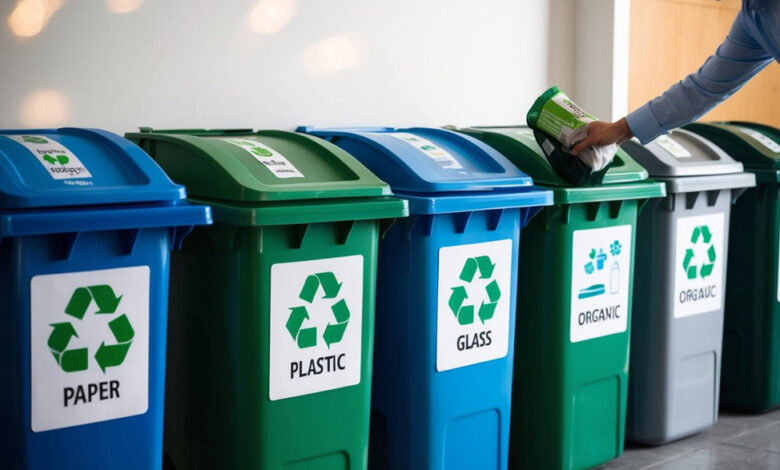
Businesses can improve waste management by making it clear which materials belong in different disposal streams. Recycling programs can help separate cardboard, paper, metal, plastics, and other recoverable materials from general waste when appropriate facilities are available. Food waste may also require separate handling in businesses that generate large quantities of organic material. A commercial dumpster can then be reserved for materials that are actually intended for general disposal. Clearly labeled bins placed near work areas can make sorting easier for employees and reduce accidental contamination. Training and regular reminders are useful because even a well-designed waste system can become ineffective if employees are uncertain about where particular materials should go.
Managing Construction and Renovation Waste
Construction and renovation projects can produce much larger quantities of debris than ordinary business operations. Wood, drywall, packaging, flooring materials, fixtures, and other project waste can quickly overwhelm ordinary trash containers. Businesses should estimate the volume and type of debris before selecting a container so that the waste can be managed efficiently throughout the project. A commercial dumpster can provide centralized storage for suitable construction debris while keeping work areas more organized. However, heavy materials may have specific weight restrictions, so businesses should confirm the accepted materials and weight limits before disposal. Separating recyclable or reusable materials can also reduce the total amount of waste sent for disposal.
Maintaining a Clean Dumpster Area
The condition of the area surrounding a waste container can influence the overall cleanliness of a business property. Loose trash, spilled liquids, food waste, and scattered debris can attract pests and create unpleasant odors. Employees should be encouraged to place waste fully inside the container and avoid leaving bags or loose materials beside it. A commercial dumpster area should be inspected regularly so spills, litter, and other problems can be addressed promptly. Cleaning the surrounding surface when necessary can also help maintain a more sanitary environment. Keeping lids closed when appropriate can reduce exposure to rain and animals while helping contain odors.
Reducing Unnecessary Waste
Effective waste management is not only about disposing of waste but also about reducing the amount produced in the first place. Businesses can review purchasing practices, packaging materials, inventory management, and operational processes to identify opportunities for waste reduction. Reusable supplies can sometimes replace disposable products, while digital documentation can reduce unnecessary paper use. A commercial dumpster may still be necessary, but reducing the amount of waste sent to it can lower disposal requirements and potentially reduce collection expenses. Waste reduction can also complement recycling and reuse initiatives. Small operational changes can have a meaningful effect when they are consistently applied across a business.
Training Employees for Better Waste Management
Employees play an important role in keeping a waste management system effective. Staff should understand what materials are accepted, what items are prohibited, how containers should be filled, and what to do when the container is nearly full. Simple written instructions and clearly labeled disposal areas can make these responsibilities easier to follow. A commercial dumpster system is much more effective when everyone understands how it should be used. Training should also address basic safety practices, such as avoiding dangerous materials and reporting spills or unusual waste immediately. Regular reminders can reinforce good habits and help prevent contamination or improper disposal.
Addressing Odor and Pest Concerns
Certain types of business waste can produce unpleasant odors or attract insects and animals if they are not managed properly. Food-related waste is particularly likely to create these concerns when containers are not maintained or emptied regularly. Businesses can reduce problems by using appropriate bags, keeping waste contained, cleaning spills promptly, and arranging collection often enough to prevent excessive buildup. A commercial dumpster should be positioned and maintained in a way that supports cleanliness and minimizes unnecessary exposure. Where suitable, lids should remain closed when the container is not being actively used. Good housekeeping around the disposal area is one of the simplest ways to reduce odor and pest-related concerns.
Considering Environmental Responsibility
Responsible waste management can support broader environmental goals by reducing unnecessary disposal and increasing opportunities for recycling and reuse. Businesses can review the materials they generate and identify items that may be recyclable, reusable, or suitable for specialized processing. Reducing contamination is particularly important because improperly mixed materials may become more difficult to recover. A commercial dumpster can form one part of a larger waste strategy that includes recycling containers, organic waste programs, material reuse, and responsible purchasing. Businesses that track their waste generation can also identify areas where improvements are possible. Environmental responsibility does not necessarily require complicated systems; consistent everyday practices can make a meaningful difference.
Reviewing Costs and Service Requirements
Waste disposal costs depend on several factors, including container size, collection frequency, waste type, weight, service terms, and additional requirements. Businesses should understand the pricing structure before arranging a service so there are fewer unexpected expenses. A commercial dumpster should provide enough capacity for normal operations without creating unnecessary unused space. Reviewing invoices and waste volumes periodically can help determine whether the current arrangement still matches business needs. If waste generation changes significantly, it may be useful to reconsider the container size or collection frequency. A thoughtful review can help businesses maintain an efficient service while avoiding avoidable costs.
Safety Considerations
Waste containers can create safety concerns when they are overloaded, improperly positioned, or used for unsuitable materials. Employees should never climb into a container or attempt to retrieve dangerous materials after disposal. Sharp objects, heavy debris, chemicals, and other hazardous items should be handled according to appropriate disposal requirements. A commercial dumpster should remain accessible to authorized users while being positioned away from unnecessary pedestrian traffic whenever practical. The surrounding ground should also be kept clear of loose debris and spills. Establishing clear procedures helps employees understand how to use the waste system without creating unnecessary risks.
Building a Long-Term Waste Management Plan
A successful waste strategy should be reviewed regularly rather than treated as a one-time decision. Businesses can monitor waste volumes, identify frequently discarded materials, evaluate recycling opportunities, and review their collection schedule over time. Changes in staffing, production, customer demand, building use, or seasonal activity may affect the amount and type of waste generated. A commercial dumpster arrangement should be flexible enough to adapt to these changes when necessary. Regular reviews can reveal whether the container remains appropriately sized and whether additional waste-reduction measures could improve efficiency. A long-term plan helps turn waste management into a predictable operational process rather than a recurring problem.
Final Thoughts
Effective commercial waste management requires thoughtful planning, appropriate container selection, employee cooperation, and regular maintenance. Businesses should consider the type and volume of waste they generate, select a suitable container size, establish an appropriate pickup schedule, and keep the surrounding disposal area clean. A commercial dumpster can provide a practical solution for handling regular business waste when it is used correctly and supported by clear disposal procedures. Recycling, waste reduction, employee training, and responsible material handling can further improve the overall system. By reviewing waste needs regularly and making adjustments when business operations change, companies can maintain cleaner work environments, improve organization, and create a more reliable approach to everyday waste management.