
A roof is one of the most important structural components of any property because it protects the interior from rain, wind, sunlight, moisture, and changing weather conditions. Although a roof may appear simple from the outside, it consists of several materials and systems that must work together to provide reliable protection. Proper installation, regular inspections, timely repairs, and appropriate maintenance can help extend the life of a roofing system. Hiring a qualified roofing contractor can make these tasks easier because experienced professionals understand the different requirements associated with roofing materials, ventilation, drainage, flashing, and structural protection. A well-maintained roof can also improve energy efficiency, indoor comfort, and the overall appearance of a property. Understanding the importance of professional roofing services can help property owners make informed decisions about one of their most valuable investments.
Understanding the Importance of a Strong Roof
A roof performs several functions beyond simply covering the top of a building. It helps protect walls, ceilings, insulation, electrical systems, furniture, and personal belongings from outdoor elements. When roofing materials become damaged, water can find its way into small gaps and gradually cause problems inside the structure. Moisture can contribute to stains, deterioration, mold growth, and damage to other building materials. A roofing contractor can inspect the roof and identify visible or developing problems before they become more serious. Regular professional attention can also help property owners understand the current condition of their roofing system. Taking care of the roof early can reduce the possibility of unexpected problems and help preserve the building’s overall condition.
Recognizing Common Roofing Problems
Roofing systems can develop different problems as they age or become exposed to severe weather. Missing or damaged shingles, cracked flashing, blocked gutters, loose materials, leaks, and deteriorating seals are among the issues that may require attention. Some problems are easy to notice from the ground, while others may remain hidden until they cause interior damage. A roofing contractor can conduct a detailed inspection to look for signs of wear that may not be immediately visible to a property owner. Identifying damage early can make repairs more manageable and potentially prevent a small issue from developing into a larger structural concern. Regular inspections are especially useful after severe weather or when a roof has been in service for many years.
Choosing the Right Roofing Material
Different roofing materials offer different appearances, lifespans, maintenance requirements, and performance characteristics. Asphalt shingles are widely used because they are available in many styles and can provide practical protection. Metal roofing can offer durability and a distinctive appearance, while tile and other materials may provide different architectural effects. The right material depends on the building’s design, budget, maintenance expectations, and environmental conditions. A roofing contractor can explain the differences between available options and help property owners understand what each material involves. Choosing a material based only on appearance may not provide the best long-term result. A balanced decision should consider durability, installation requirements, maintenance, performance, and overall value.
Importance of Professional Installation
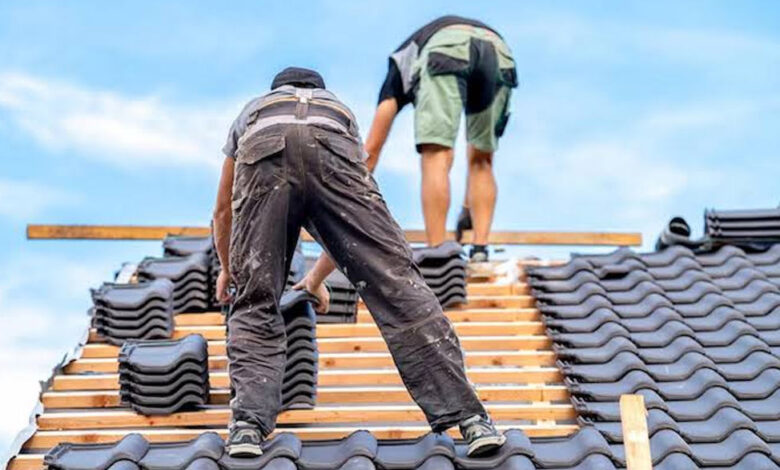
Even high-quality roofing materials can perform poorly when they are installed incorrectly. Proper installation requires attention to underlayment, flashing, ventilation, fasteners, alignment, drainage, and manufacturer requirements. Errors during installation can create weak points where water may enter or materials may deteriorate prematurely. A roofing contractor with appropriate experience can follow established installation practices and ensure that different components work together correctly. Professional installation can also help preserve the intended performance of the selected roofing materials. Property owners should understand that the quality of installation can be just as important as the quality of the materials themselves. Careful workmanship provides a stronger foundation for long-term roof performance.
Roof Inspections and Preventive Maintenance
Regular roof inspections can help identify developing issues before they become costly repairs. During an inspection, professionals may look for damaged roofing materials, deteriorating flashing, blocked drainage areas, loose components, signs of moisture, and other visible concerns. A roofing contractor can also provide recommendations based on the age and condition of the roof. Preventive maintenance may include cleaning gutters, replacing damaged materials, improving seals, addressing minor leaks, or correcting drainage issues. The exact maintenance requirements depend on the roofing system and surrounding environment. A consistent inspection schedule can give property owners a better understanding of how their roof is performing. Preventive care can also help reduce the likelihood of unexpected roofing emergencies.
Managing Roof Leaks
Roof leaks are among the most common concerns property owners face. A small leak may initially appear as a minor ceiling stain, but continued moisture can damage insulation, drywall, wood, and other materials. Finding the exact source of a leak can sometimes be challenging because water may travel along structural components before becoming visible inside the building. A roofing contractor can inspect the roof and surrounding components to determine where moisture may be entering. Repairs should address the underlying cause rather than simply covering the visible interior stain. Prompt attention can help limit additional damage and reduce the scope of future repairs. Property owners should not ignore recurring signs of moisture because they may indicate a roofing problem that requires professional evaluation.
Understanding Roof Ventilation
Ventilation is an important but sometimes overlooked part of a roofing system. Proper airflow can help regulate temperature and moisture levels in attic spaces, potentially reducing conditions that contribute to condensation and material deterioration. Poor ventilation may cause excessive heat buildup during warmer periods and allow moisture to accumulate in colder conditions. A roofing contractor can evaluate existing ventilation and determine whether the system provides adequate airflow for the building. Ventilation needs can vary depending on roof design, attic configuration, insulation, and other structural factors. Improving ventilation may support the overall performance and longevity of the roofing system. It is therefore important to consider ventilation alongside visible roofing materials rather than treating it as a separate issue.
Maintaining Proper Drainage
Water needs a clear path away from the roof to prevent unnecessary moisture exposure. Gutters, downspouts, drainage channels, and roof slopes all contribute to effective water management. When gutters become clogged with leaves and debris, water may overflow and collect around roof edges or exterior walls. A roofing contractor can inspect drainage components and identify areas where water may not be moving away efficiently. Proper drainage can help protect roofing materials, exterior walls, foundations, and landscaping. Property owners should also keep gutters and downspouts clear as part of routine maintenance. Effective drainage is a simple but important part of preserving the performance of a complete roofing system.
Repairing Minor Roof Damage
Small roofing problems can become more serious when they are left untreated. A damaged shingle, loose flashing component, or deteriorating seal may allow water to enter the roofing assembly. Over time, moisture can affect underlying materials and increase the cost and complexity of repair work. A roofing contractor can evaluate minor damage and determine whether a targeted repair is appropriate. Addressing small problems promptly can help prevent them from spreading to larger areas of the roof. Repairs should be completed using compatible materials and appropriate techniques. Regular inspections make it easier to identify these issues before they become significant concerns.
Knowing When Replacement Is Necessary
Every roofing system eventually reaches a point where repairs may no longer provide a practical long-term solution. Extensive damage, widespread deterioration, repeated leaks, aging materials, or structural concerns may indicate that replacement should be considered. A roofing contractor can evaluate the overall condition of the roof and explain whether repair, restoration, or replacement may be appropriate. The decision should take into account the remaining service life, repair history, material condition, and expected future maintenance. Replacing a roof is a significant investment, so property owners should have a clear understanding of why replacement is being recommended. Professional evaluation can provide useful information for planning the project and selecting suitable materials.
Improving Energy Efficiency
Roofing systems can influence indoor temperature and energy consumption. Proper insulation, ventilation, reflective materials, and appropriate installation can contribute to more consistent indoor conditions. When a roof allows excessive heat transfer or has inadequate ventilation, heating and cooling systems may need to work harder. A roofing contractor can discuss roofing components that may support improved energy performance as part of a new installation or renovation. Energy-related improvements should be considered alongside the building’s insulation and ventilation systems. A roof alone cannot solve every efficiency issue, but appropriate roofing decisions can contribute to the overall performance of the building. Considering efficiency during roofing projects may provide long-term benefits beyond basic weather protection.
Improving Exterior Appearance
The roof represents a significant portion of a building’s visible exterior, so its condition can strongly influence overall appearance. Worn, stained, damaged, or mismatched roofing materials can make an otherwise well-maintained property look neglected. New or properly maintained roofing can provide a cleaner and more cohesive appearance. A roofing contractor can help property owners explore material colors, textures, and styles that complement the existing architecture. Aesthetic decisions should still be balanced with performance and maintenance considerations. The goal should be to select a roofing system that looks attractive while providing the required protection. A well-maintained roof can contribute to a more polished appearance and support the property’s overall visual character.
Preparing for Severe Weather
Weather conditions can place significant stress on roofing materials. Strong winds, heavy rain, hail, extreme temperatures, and other conditions can expose weaknesses in an aging or poorly maintained roof. A roofing contractor can inspect vulnerable areas and recommend appropriate maintenance or repairs before severe weather occurs. Flashing, roof edges, seals, drainage systems, and exposed materials may require particular attention. After a major weather event, a professional inspection can help identify damage that may not be visible from the ground. Prompt assessment can reduce the risk of continued water intrusion and other complications. Preparing the roof before severe weather can provide an additional layer of protection for the building and its contents.
Considering Roof Safety
Roofing work involves significant safety risks because workers may need to operate at considerable heights and handle heavy or specialized materials. Professional roofing teams use appropriate equipment and procedures to reduce these risks during inspections, repairs, and installations. Property owners should avoid attempting complex roof work without the necessary knowledge and safety equipment. A roofing contractor can manage the technical aspects of the project while following appropriate safety practices. Professional work can also reduce the possibility of accidental damage to roofing materials or surrounding property. Safety should remain a central consideration whenever work is performed on or around a roof.
Planning a Roofing Project
A successful roofing project requires careful preparation before physical work begins. Property owners should understand the scope of work, materials, expected timeline, ventilation requirements, drainage considerations, and maintenance needs. A roofing contractor can explain the proposed process and identify important decisions that need to be made before installation or repair begins. Planning can also help property owners prepare the surrounding area and understand what to expect during construction. Clear communication can reduce misunderstandings and help ensure that the completed project meets the intended goals. A detailed plan provides a practical framework for managing the project from initial inspection through final completion.
Selecting a Reliable Roofing Professional
Choosing the right professional is an important part of any roofing project. Property owners should consider experience, workmanship, communication, material knowledge, safety practices, and the ability to explain the proposed work clearly. A roofing contractor should be able to provide a detailed description of the work rather than offering vague recommendations. Property owners can also ask questions about materials, installation methods, ventilation, drainage, maintenance, and expected project requirements. Understanding these details can make it easier to compare service options based on relevant factors. Good communication is particularly important because roofing projects can involve significant decisions and long-term investments. Taking time to evaluate professional services can help property owners approach the project with greater confidence.
Maintaining a Roof After Installation
A new roof still requires regular care to preserve its condition. Property owners should monitor the roof for visible damage, keep drainage systems clear, and schedule appropriate inspections. A roofing contractor can provide maintenance recommendations based on the specific materials and design of the roof. Routine attention may include checking flashing, inspecting seals, cleaning gutters, and looking for signs of moisture. Small maintenance tasks can help identify potential problems before they become extensive. Property owners should also avoid placing unnecessary equipment or materials on roofing surfaces because these can cause damage. A consistent maintenance routine supports the long-term performance of the investment.
Understanding the Value of Professional Roofing Services
Professional roofing services provide more than basic repairs or installation. They can help property owners understand the condition of their roofing system, select suitable materials, manage drainage and ventilation, and plan for long-term maintenance. A roofing contractor can also identify issues that may be difficult for an untrained observer to recognize. Professional expertise can be especially useful when dealing with older roofs, extensive damage, complex designs, or major replacement projects. By addressing roofing concerns systematically, property owners can protect the building and reduce the risk of unexpected problems. Quality roofing work can provide both immediate protection and long-term value.
Conclusion
A strong and properly maintained roof is essential for protecting a property from weather, moisture, temperature changes, and other outdoor conditions. From selecting suitable materials and ensuring proper installation to maintaining ventilation, drainage, flashing, and roofing surfaces, many factors contribute to long-term performance. Regular inspections and timely repairs can help identify problems before they become more complicated. When major work is necessary, professional planning can help property owners understand their options and make informed decisions. Working with an experienced roofing contractor can provide valuable support throughout installation, repair, replacement, and maintenance. With appropriate care and quality workmanship, a roofing system can provide dependable protection, improve the appearance of a property, and support the building’s overall condition for many years.