The Complete Guide to Identifying Mold, Understanding the Removal Process, Preventing Future Growth, and Protecting Your Home

Mold is a common problem that can affect homes and commercial buildings whenever moisture remains present for too long. It can develop in visible areas such as walls and ceilings, but it can also grow in hidden spaces beneath flooring, behind drywall, inside cabinets, and around plumbing systems. Although small amounts of mold may sometimes be manageable, extensive or recurring growth requires a more careful approach. Understanding what causes mold, how it spreads, and how affected areas should be handled can help property owners respond before the problem becomes more difficult. Mold remediation is designed to address existing contamination while also identifying the moisture conditions that allowed the growth to develop.
Understanding How Mold Develops
Mold is a naturally occurring fungus that exists both indoors and outdoors. It becomes a concern inside buildings when spores encounter moisture, suitable temperatures, and materials that can support growth. Common materials such as wood, paper, drywall, insulation, carpeting, and fabrics can become vulnerable when they remain damp for extended periods. A building does not necessarily need major flooding for mold to appear because even small leaks and condensation can create favorable conditions. Poor ventilation can further increase moisture levels by preventing damp surfaces from drying efficiently. Understanding these conditions is important because controlling moisture is one of the most effective ways to reduce the possibility of recurring mold growth.
Common Causes of Mold Problems
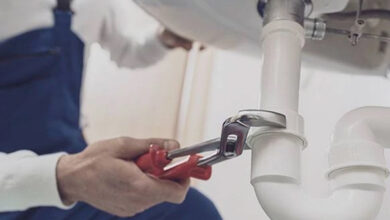
Excess moisture is the primary factor behind most indoor mold problems. Leaking pipes, damaged roofs, overflowing appliances, plumbing failures, foundation seepage, and poorly sealed windows can all introduce water into areas where it should not remain. Sometimes the source is obvious, while other times moisture may remain hidden behind walls or underneath flooring. High humidity can also contribute to mold development, particularly in bathrooms, kitchens, laundry areas, basements, and poorly ventilated rooms. Condensation on windows, pipes, or cold surfaces may provide enough moisture for mold to establish itself gradually. Identifying and correcting the source of moisture is therefore an essential part of dealing with mold rather than simply cleaning the visible growth.
Signs That May Indicate Mold
Visible mold growth is one of the clearest warning signs, but it is not the only indication of a potential problem. Mold can appear as black, green, white, gray, brown, or other discolored patches depending on the species and the surface where it grows. A persistent musty odor may indicate hidden growth even when no visible contamination can be found. Peeling paint, bubbling drywall, warped wood, stained ceilings, damp carpeting, and unexplained discoloration can also suggest that moisture is present. If these signs appear after water damage or a prolonged period of humidity, the surrounding areas should be examined carefully. Early investigation can help identify hidden moisture before it causes more extensive damage to building materials.
Why Proper Assessment Is Important
A mold problem may extend beyond the area that can be seen with the naked eye. Growth can develop inside wall cavities, beneath flooring, behind cabinets, above ceilings, and within insulation after moisture enters a structure. Cleaning only the visible portion may leave contaminated materials untouched, allowing the problem to return later. A professional assessment can help determine how far moisture has traveled and which materials may have been affected. Moisture meters, visual inspections, and other appropriate assessment methods can help identify areas that require further attention. Mold remediation should therefore begin with understanding the scope and source of the problem rather than immediately treating the most obvious surface.
The Mold Removal Process
The removal process generally starts by identifying the source of moisture and taking appropriate steps to stop it. If a leaking pipe, damaged roof, appliance failure, or ventilation problem continues to introduce moisture, cleaning alone will not provide a lasting solution. Once the moisture source is controlled, affected areas can be evaluated and isolated when necessary to reduce the movement of airborne spores. Suitable protective equipment and containment procedures may be required depending on the extent of contamination. Materials that can be safely cleaned may be treated using appropriate methods, while heavily damaged porous materials may need to be removed. The affected space should then be dried thoroughly and inspected to confirm that moisture problems have been addressed.
Handling Contaminated Materials
Different building materials respond differently to mold contamination. Nonporous surfaces such as glass, metal, and some finished materials may be easier to clean when they have not suffered significant damage. Porous materials, however, can absorb moisture and provide spaces where mold becomes difficult to remove completely. Drywall, insulation, carpeting, ceiling materials, and certain wood products may require removal when contamination is extensive. Simply applying a cleaning product or covering a stained surface may not be enough if mold has penetrated the material. Decisions about cleaning or removal should consider the type of material, the extent of contamination, and whether the item can be effectively restored. Proper handling can help prevent contaminated materials from spreading mold spores into otherwise clean areas.
Protecting Indoor Air During Cleanup
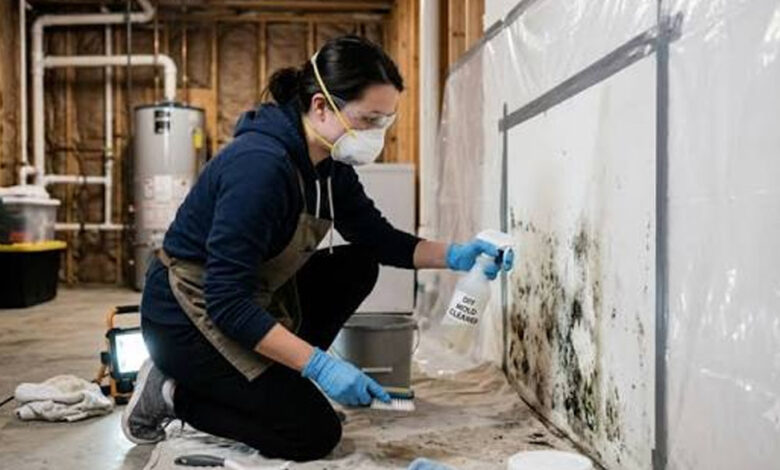
Disturbing mold-contaminated materials can release spores into the surrounding air. Activities such as demolition, scraping, sanding, or aggressive cleaning can increase the amount of airborne material if appropriate precautions are not taken. For larger contamination problems, professionals may use containment barriers and specialized filtration equipment to limit the movement of particles. Protective clothing, gloves, eye protection, and respiratory protection may also be appropriate depending on the circumstances. The objective is to keep contamination contained while affected materials are being cleaned or removed. Proper procedures are particularly important when the affected area is connected to occupied rooms or when contamination has spread beyond its original source.
Importance of Drying and Dehumidification
Removing visible mold without drying the affected area can result in recurring growth. Moisture may remain inside drywall, flooring, insulation, wood, or furnishings even after the surface feels dry. Fans, ventilation, dehumidifiers, and professional drying equipment may be used depending on the severity of the water damage. Moisture levels should be checked rather than relying solely on how a surface looks or feels. Areas that remain damp for extended periods can continue providing favorable conditions for mold development. Thorough drying is therefore an important part of the overall restoration process and should continue until affected materials have reached appropriate moisture conditions.
Preventing Future Mold Growth
Preventing mold requires ongoing attention to moisture and ventilation. Plumbing systems, appliances, roofs, windows, gutters, and other potential sources of water intrusion should be inspected regularly. Small leaks should be repaired promptly instead of allowing moisture to accumulate over time. Bathrooms and kitchens should have sufficient ventilation to remove steam and humidity, while areas that naturally remain damp may benefit from dehumidification. Furniture and stored belongings should also be positioned in a way that allows adequate airflow, particularly near walls that may be vulnerable to condensation. Mold remediation can address an existing problem, but long-term prevention depends on eliminating the environmental conditions that support mold growth.
Responding to Water Damage
Water damage should be addressed quickly because moisture can move into building materials faster than many property owners expect. Carpeting, drywall, insulation, wood, and upholstered furnishings can retain water long after the surface appears dry. A prompt response can help limit the amount of material affected and reduce the opportunity for mold to establish itself. Water-damaged areas should be inspected carefully, and materials that cannot be dried or restored effectively may require replacement. Hidden spaces should also be considered because water can travel behind walls and beneath floors. Proper drying and inspection after a water event can significantly reduce the risk of developing a larger mold problem later.
Mistakes to Avoid
One of the most common mistakes is simply painting over a mold stain without investigating the underlying moisture problem. Although the surface may look cleaner temporarily, the moisture and contamination can remain underneath the new coating. Another mistake is using excessive amounts of water during cleaning, which can increase moisture in already affected materials. Ignoring musty odors or recurring stains can also allow hidden growth to continue. Property owners should avoid disturbing heavily contaminated materials without understanding the appropriate containment and safety measures. Mold problems are best addressed by considering the source, extent, affected materials, and environmental conditions together instead of focusing only on what can be seen.
Benefits of Early Intervention
Taking action as soon as mold is suspected can help prevent a relatively small problem from becoming more extensive. Moisture can spread through building materials and create additional areas where mold can develop. Early investigation may reveal a leaking pipe, roof problem, ventilation issue, or condensation problem that can be corrected before more materials become affected. Prompt attention may also reduce the amount of damaged material that needs to be removed or replaced. Mold remediation is particularly useful when contamination is extensive, hidden, recurring, or associated with significant water damage. Addressing the issue early can support a more organized restoration process and help protect the condition of the property.
Choosing an Appropriate Approach
Every mold situation has different characteristics, so the appropriate response depends on several factors. The size of the affected area, the type of material involved, the source of moisture, the duration of exposure, and the presence of hidden contamination can all influence the necessary approach. A careful process should begin with inspection and moisture identification before removal work takes place. Depending on the circumstances, the response may involve containment, cleaning, drying, removal of damaged materials, and follow-up inspection. Keeping records of the affected areas and the corrective work can also be useful for significant property damage. A systematic approach helps ensure that the visible problem and its underlying cause are both addressed.
Maintaining a Healthy Indoor Environment
Routine maintenance is one of the simplest ways to reduce the risk of future mold problems. Property owners should regularly inspect areas around sinks, toilets, appliances, windows, roofs, plumbing fixtures, and HVAC components for signs of moisture. Indoor humidity should be monitored when excessive dampness is a recurring concern. Ventilation should be used effectively in rooms where cooking, bathing, washing, or other activities produce moisture. Storage areas should remain reasonably dry and well ventilated, while damp materials should not be left unattended for long periods. Regular maintenance can identify potential problems early and help keep moisture from creating favorable conditions for mold.
Long-Term Prevention Strategies
Long-term prevention involves more than occasional cleaning because mold can return whenever the conditions that support it remain unresolved. Maintaining plumbing systems, repairing leaks promptly, improving ventilation, controlling humidity, and keeping exterior drainage systems functional can all contribute to a drier environment. After significant water damage, affected materials should be inspected rather than assuming that everything has dried naturally. Areas that have experienced previous leaks may deserve additional monitoring because recurring moisture can create repeated problems. Consistent property maintenance can help protect structural materials and reduce the need for extensive restoration. Prevention is ultimately an ongoing process that combines moisture management, inspection, ventilation, and timely repairs.
Final Thoughts
Mold can affect both the appearance and condition of a property, particularly when moisture remains uncontrolled for an extended period. Recognizing warning signs, identifying moisture sources, and responding quickly can help prevent contamination from spreading into additional materials. Mold remediation involves more than removing visible discoloration because effective treatment should also address the environmental conditions that allowed mold to develop. Proper assessment, containment when necessary, safe removal or cleaning, thorough drying, and moisture control all play important roles in the process. By combining timely action with regular maintenance and effective moisture management, property owners can reduce the likelihood of recurring mold problems. A consistently dry, clean, and well-ventilated environment provides an important foundation for protecting indoor spaces from future mold growth.