How the Right Window Coverings Can Improve Comfort, Privacy, and Interior Style

Choosing suitable window coverings can have a noticeable impact on the comfort, appearance, and functionality of an interior space. Windows provide natural light and ventilation, but they can also allow excessive sunlight, heat, glare, and outside visibility into a room. The right covering can help manage these factors while contributing to the overall design of the space. Roller shades are a practical option for people who want a clean appearance combined with simple operation and useful light control. Available in different fabrics, colors, textures, and opacity levels, they can be selected to complement a wide range of interior styles. Understanding the available features, materials, installation choices, and maintenance requirements can make it easier to select window coverings that provide both practical value and long-term visual appeal.
Understanding the Purpose of Window Coverings
Window coverings serve several purposes beyond simply decorating a room. They can help control natural light, improve privacy, reduce glare, and contribute to the overall atmosphere of an interior. Depending on the material and design, they may also help reduce the amount of heat entering through windows during periods of strong sunlight. Roller shades offer a straightforward way to adjust the amount of light entering a room while maintaining a neat and uncluttered appearance. Their simple design makes them suitable for bedrooms, living areas, offices, kitchens, and many other spaces. Before choosing a particular style, it is useful to consider how much light control, privacy, and visual softness is required for each room.
Choosing the Right Fabric
Fabric selection is one of the most important considerations when choosing window coverings. Different fabrics provide different levels of transparency, light filtering, privacy, and visual texture. Some materials allow soft natural light to pass through while reducing harsh glare, while others provide greater opacity for stronger privacy and light reduction. Roller shades are available in a wide variety of fabrics, making it possible to select an option according to the function of each room. A light-filtering material may work well in a living area where natural light is desirable, while a more opaque material may be preferable in a bedroom. The color and texture of the fabric should also be considered because they can influence how the window treatment interacts with walls, flooring, furniture, and other decorative elements.
Managing Natural Light
Natural light can make a room feel brighter, larger, and more welcoming, but excessive sunlight can sometimes create discomfort. Strong direct sunlight may produce glare on television screens, computers, mirrors, and polished surfaces. It can also make certain rooms uncomfortably warm during particular parts of the day. Roller shades can help occupants adjust incoming sunlight according to changing conditions throughout the day. Depending on the fabric selected, they can soften bright daylight without making the room completely dark. This flexibility can be particularly useful in spaces that serve multiple purposes. The goal is not always to block natural light completely, but rather to control it in a way that supports comfort and the intended use of the room.
Improving Privacy
Privacy is an important consideration for bedrooms, bathrooms, living areas, offices, and other spaces where outside visibility may be a concern. Clear windows can allow people outside to see into a room, particularly during the evening when interior lighting is brighter than outdoor surroundings. Roller shades provide an adjustable barrier that can reduce visibility when privacy is needed. Different fabrics offer different levels of privacy, so the choice should reflect the specific requirements of the room. Some materials can provide privacy while still allowing a degree of natural light to enter. Considering privacy needs at different times of day can help determine which opacity level is most suitable for a particular window.
Creating a Clean Interior Appearance
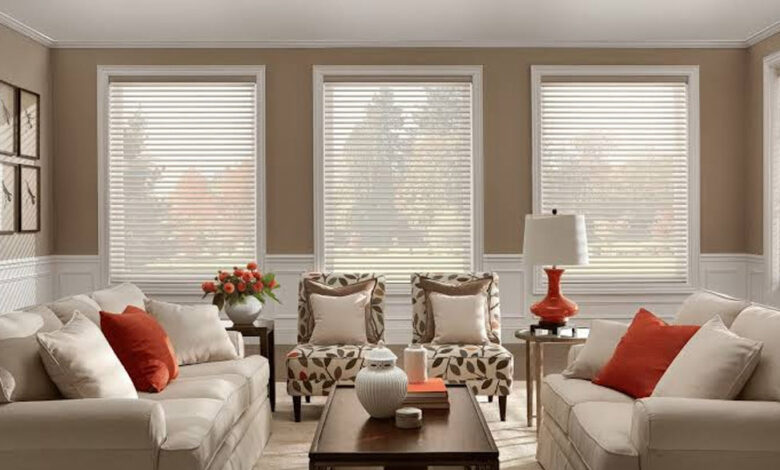
Interior design often benefits from consistency and simplicity, especially when a room already contains furniture, artwork, decorative accessories, and architectural details. Window coverings can either blend into the overall design or become a deliberate visual feature. Roller shades have a streamlined appearance that can complement modern, traditional, minimalist, and transitional interiors. Their simple lines can help create a neat appearance without adding excessive visual weight around the window. Choosing a color that coordinates with the surrounding palette can create a cohesive look, while a contrasting shade can introduce a subtle design accent. The overall result depends on how the window covering interacts with the other elements already present in the room.
Selecting Colors and Patterns
Color selection can influence how large, bright, warm, or balanced a room feels. Neutral shades such as white, beige, gray, cream, and soft earth tones can blend easily with different interior styles. More noticeable colors can create contrast and draw attention toward the windows. Roller shades can be selected in a range of colors and patterns, allowing homeowners and designers to coordinate them with furniture, walls, flooring, and accessories. When choosing a color, it is useful to consider how the fabric will look in both natural and artificial light. Samples can be especially helpful because a color may appear different depending on the surrounding surfaces and the amount of sunlight entering the room.
Considering Different Room Requirements
Every room may have different window-covering requirements. Bedrooms often benefit from greater privacy and light control, while living rooms may prioritize natural light and a softer appearance. Home offices may require glare reduction to improve screen visibility, while kitchens may benefit from materials that are practical and easy to maintain. Roller shades can be selected according to the needs of individual rooms rather than using exactly the same specification throughout the property. This approach can provide a better balance between functionality and design. Considering how each room is used throughout the day can make the selection process more practical and help ensure that the chosen coverings meet everyday needs.
Benefits for Home Offices
Working from home often requires careful management of light and glare. Direct sunlight can make computer screens difficult to see and may create distracting reflections on glossy surfaces. Window coverings can help regulate incoming light so that the workspace remains comfortable during different parts of the day. Roller shades can provide adjustable light control without taking up excessive visual or physical space around the window. Depending on the selected fabric, they can reduce glare while still allowing some natural daylight into the room. A comfortable lighting environment can make a workspace feel more organized and suitable for focused activities, meetings, reading, and other tasks that require clear visibility.
Supporting Bedroom Comfort
Bedrooms often require a combination of privacy, light control, and visual comfort. Excessive morning sunlight can make it difficult for some people to maintain their preferred sleeping environment, while outside visibility may also be a concern. Roller shades with suitable opacity can help create a more controlled atmosphere by reducing incoming light and limiting visibility through the window. The color and texture of the fabric can also contribute to a calm and coordinated bedroom design. Choosing a practical operating system can make it easier to adjust the covering without disrupting the room. Since bedrooms are used for relaxation, selecting a window treatment that supports both comfort and privacy can be particularly valuable.
Considering Installation Options
Proper installation is essential for achieving the desired appearance and functionality of any window covering. Measurements should be taken carefully to determine the appropriate width and height, while the mounting position should be selected according to the window and surrounding structure. Roller shades can often be installed inside or outside the window frame, depending on the desired appearance and available space. Inside mounting can create a streamlined look, while outside mounting may provide greater coverage around the window. Professional installation can be useful when windows have unusual dimensions, difficult access, or specific mounting requirements. Accurate installation can help ensure smooth operation and a balanced finished appearance.
Maintenance and Cleaning
Regular maintenance can help keep window coverings looking attractive and functioning properly over time. Dust can accumulate on fabric surfaces, particularly in rooms that are frequently used or exposed to open windows. Cleaning methods should depend on the specific fabric and manufacturer’s care instructions. Roller shades should generally be handled carefully to avoid stretching, staining, or damaging the material. Gentle dusting or suitable cleaning tools may be sufficient for routine maintenance, while more delicate fabrics may require specialized care. Regular attention can also prevent dirt from becoming deeply embedded in the material. Keeping window coverings clean can improve their appearance and help maintain the overall freshness of the room.
Durability and Material Quality
The quality of materials can influence how well a window covering performs over time. Factors such as fabric strength, operating components, stitching, mounting hardware, and exposure to sunlight can affect durability. Roller shades used in areas with frequent operation should have suitable mechanisms designed for regular use. Fabrics exposed to strong sunlight may also require consideration of color stability and long-term performance. When comparing options, it can be useful to consider both the initial appearance and the expected everyday use of the product. A well-selected window covering can provide practical benefits for years when it is properly installed, operated, and maintained.
Coordinating Window Coverings With Interior Design
Window treatments should ideally work with the existing design rather than appearing disconnected from it. Wall colors, flooring, furniture, lighting, artwork, and decorative accessories can all influence the most suitable choice. Roller shades can act as a subtle background element or become a stronger design feature depending on their color, pattern, and texture. Coordinating the window treatment with other fabrics in the room can create visual consistency. However, exact matching is not always necessary, and slight differences in texture or tone can add depth. Considering the entire room rather than the window alone can lead to a more balanced and intentional design result.
Making a Practical Long-Term Choice
A good window-covering decision should consider both immediate appearance and long-term practicality. Buyers should think about how often the covering will be operated, how much sunlight the room receives, how much privacy is required, and how frequently the material will need cleaning. Roller shades can provide a useful combination of straightforward operation, adaptable design, and adjustable light control. It is also important to consider whether the chosen material is suitable for the room’s environmental conditions. For example, areas exposed to moisture or frequent cooking activity may require different considerations than dry living spaces. Evaluating these factors before purchasing can help prevent a choice based solely on appearance.
Conclusion
The right window coverings can improve the comfort, privacy, appearance, and functionality of an interior space. They can help manage natural light, reduce glare, create a more private environment, and complement furniture and decorative elements. Roller shades provide a versatile option because they are available in different fabrics, colors, textures, and opacity levels to suit a variety of requirements. Choosing the right material, measuring windows accurately, considering installation methods, and following appropriate maintenance practices can help ensure long-term satisfaction. Each room should be evaluated according to how it is used, how much light it receives, and the level of privacy required. With careful selection and proper maintenance, well-designed window coverings can become a practical and attractive part of an interior while supporting everyday comfort and visual appeal.