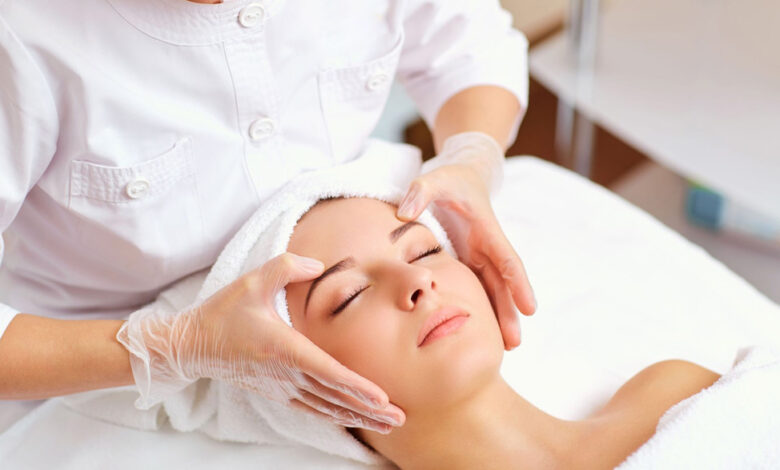
Advanced Aesthetics: Exploring Modern Approaches to Beauty, Confidence, and Personalized Care

The field of beauty and personal care has evolved significantly over the years, with modern approaches focusing on much more than temporary cosmetic improvements. Today, people increasingly seek treatments and routines that support a natural-looking appearance, healthy skin, balanced features, and greater confidence. Advanced aesthetics brings together modern techniques, professional expertise, innovative technologies, and individualized treatment planning to address a wide range of aesthetic concerns.
Rather than following a single approach for everyone, contemporary aesthetic care often begins with understanding the individual’s goals, skin condition, facial characteristics, lifestyle, and expectations. This personalized perspective can help create a treatment plan that complements natural features instead of attempting to produce an identical appearance across different people. Whether the goal involves improving skin texture, reducing visible signs of aging, enhancing facial definition, or maintaining healthier-looking skin, careful assessment is an important part of the process.
Understanding the Evolution of Aesthetic Care
Aesthetic care has changed considerably as technology and professional knowledge have developed. Traditional beauty treatments often focused primarily on surface-level improvements, while modern approaches can involve sophisticated technologies and treatment combinations designed around specific concerns.
The growing interest in personalized care has also changed how people approach cosmetic treatments. Instead of simply selecting a popular procedure, many individuals now want to understand why a particular treatment may be appropriate for their skin or appearance. This has encouraged providers to focus more on consultations, assessments, realistic expectations, and individualized plans.
Modern aesthetic services can address concerns related to skin quality, pigmentation, texture, fine lines, unwanted hair, facial contours, and other visible characteristics. However, the suitability of a treatment can vary significantly from one individual to another. Professional assessment is therefore an important step before beginning a new treatment.
The Importance of Personalized Treatment Plans
Every person’s skin and facial structure are different. Factors such as age, genetics, sun exposure, lifestyle, skincare habits, and previous treatments can influence the appearance of the skin. As a result, an approach that works well for one person may not be appropriate for someone else.
A personalized consultation provides an opportunity to discuss goals and determine which concerns should be prioritized. The provider can consider the current condition of the skin and explain available options, expected results, potential limitations, and possible risks.
A well-developed treatment plan should also consider the individual’s preferences. Some people may prefer gradual improvements with minimal downtime, while others may be comfortable with more intensive treatments. Understanding these priorities allows aesthetic professionals to create a more suitable strategy.
The goal of advanced aesthetics is not simply to offer more treatments. It is to use available techniques thoughtfully and select approaches based on individual needs rather than relying on a one-size-fits-all solution.
Skin Health as the Foundation of Aesthetic Care
Healthy-looking skin provides an important foundation for many aesthetic goals. Treatments may improve specific concerns, but everyday skincare habits can have a significant influence on the overall appearance and condition of the skin.
Cleansing, moisturizing, sun protection, and appropriate use of active skincare ingredients can help maintain the skin’s appearance between professional treatments. The specific products and routines should be selected according to skin type and individual concerns.
Sun protection deserves particular attention because repeated ultraviolet exposure can contribute to premature visible aging, uneven pigmentation, and changes in skin texture. Consistent protection can support long-term skin health and help maintain the results of many aesthetic treatments.
Professional treatments should therefore be viewed as part of a broader approach to skin care rather than as a substitute for healthy daily habits.
Modern Approaches to Skin Rejuvenation
Skin rejuvenation is one of the most common areas of aesthetic care. People may seek treatment because their skin appears dull, uneven, rough, or affected by visible signs of aging.
Modern rejuvenation approaches can include procedures designed to improve skin texture, stimulate natural regenerative processes, reduce the appearance of pigmentation, or create a smoother overall appearance. Depending on the technology and treatment, some approaches may involve controlled stimulation of the skin, while others use energy-based technologies or specialized topical products.
The appropriate method depends on the individual’s skin type, concerns, medical history, and desired outcome. Some treatments may require multiple sessions to achieve gradual improvement, while others may produce more noticeable changes after a single appointment.
Understanding the expected timeline is important. Results are not always immediate, particularly when a treatment relies on the body’s natural processes. Patience and appropriate aftercare can be important components of the overall experience.
Addressing Signs of Aging
Visible aging is a natural process influenced by genetics, environmental exposure, lifestyle, and changes in the skin and underlying tissues. Fine lines, changes in elasticity, uneven texture, and alterations in facial contours can gradually become more noticeable over time.
Modern aesthetic care offers several approaches for people who want to address these concerns. Depending on the treatment, the focus may be on improving skin quality, reducing the appearance of specific lines, enhancing facial contours, or supporting a more refreshed appearance.
The objective should generally be to create results that remain harmonious with the person’s natural features. Excessive treatment can sometimes produce an appearance that does not reflect the individual’s original facial structure or preferences.
A thorough consultation can help establish realistic expectations and determine which areas should be treated, if any. A professional should explain the expected benefits as well as limitations and potential risks before treatment begins.
Non-Surgical Aesthetic Treatments
Non-surgical procedures have become increasingly popular because many people are interested in improving their appearance without undergoing traditional surgery. These treatments can vary considerably in their purpose, intensity, recovery requirements, and expected results.
Some procedures focus on skin quality, while others are designed to address specific lines, facial contours, pigmentation, or unwanted hair. Energy-based technologies may use different forms of controlled energy to affect targeted tissues, while other treatments rely on specialized products or mechanical techniques.
One advantage of many non-surgical approaches is that they may require less recovery time than surgical procedures, although this depends entirely on the specific treatment. Temporary redness, swelling, sensitivity, or other effects can occur with certain procedures.
Patients should not assume that a non-surgical treatment is automatically risk-free. Every procedure has its own considerations, and professional guidance is important when determining whether a particular option is suitable.
The Role of Technology in Modern Aesthetic Treatments
Technology has become an important part of contemporary aesthetic care. Modern devices can be designed to deliver controlled energy or other forms of treatment to specific areas while allowing professionals to adjust settings according to individual needs.
Different technologies are intended for different purposes. Some may focus on skin resurfacing, while others are designed for hair reduction, pigmentation concerns, tissue stimulation, or other aesthetic applications.
Technology alone does not determine treatment quality. The professional’s knowledge, assessment, technique, and understanding of the equipment are equally important. Appropriate device selection and settings should be based on the individual’s skin characteristics and treatment goals.
When considering technology-based treatments, clients should ask about how the procedure works, what results can realistically be expected, how many sessions may be recommended, and what recovery or aftercare is involved.
Facial Balance and Natural-Looking Results
Modern aesthetic care increasingly emphasizes balance rather than dramatic transformation. Facial features work together, so changing one area can influence how other features are perceived.
For example, improving the appearance of one facial feature without considering surrounding proportions may produce a result that feels visually disconnected. A comprehensive assessment can help providers consider the overall appearance rather than focusing exclusively on one concern.
Natural depends on the-looking results do not necessarily mean that changes are invisible. Instead, the objective can be to create improvements that remain harmonious with the individual’s existing features.
This approach is particularly relevant when treatments involve facial contours or volume. Small adjustments may sometimes have a meaningful effect on overall appearance, which is why conservative planning and careful assessment can be valuable.
Preparing for an Aesthetic Treatment
Preparation depends on the specific procedure being considered. Before treatment, a professional may ask about skincare products, medications, allergies, previous procedures, medical conditions, or other factors that could influence safety.
Clients should provide accurate information during consultations. Withholding relevant information can make it more difficult for a professional to assess whether a treatment is appropriate.
It is also helpful to understand the expected recovery process before scheduling an appointment. Some treatments may allow people to return to normal activities quickly, while others may require more time for redness, swelling, peeling, or sensitivity to settle.
Knowing what to expect can make the experience more comfortable and reduce unnecessary concern after treatment.
The Importance of Qualified Professionals
The provider performing an aesthetic treatment can have a significant influence on both safety and results. Individuals should consider the professional’s qualifications, training, experience, and familiarity with the specific procedure being offered.
A professional consultation should involve more than simply discussing the desired result. The provider should evaluate the relevant area, explain available options, discuss realistic expectations, and provide information about potential risks.
People should also feel comfortable asking questions. Important topics can include treatment frequency, expected results, possible side effects, recovery time, aftercare, and whether additional sessions may be required.
Choosing a qualified provider is particularly important when treatments involve injections, energy-based devices, or procedures that affect deeper layers of the skin.
Aftercare and Maintaining Results
Aftercare can be an important part of an aesthetic treatment plan. Depending on the procedure, the provider may recommend avoiding certain skincare products, minimizing sun exposure, keeping the treated area clean, or following other specific instructions.
Following professional aftercare guidance can support recovery and help reduce unnecessary irritation. People should also avoid introducing new products or procedures immediately after certain treatments unless they have been advised that doing so is appropriate.
Long-term maintenance may also be necessary for some aesthetic results. Certain treatments produce temporary effects and may require periodic sessions, while others may create longer-lasting changes.
A maintenance plan should be based on the treatment itself, the individual’s goals, and the provider’s recommendations rather than following a fixed schedule that applies to everyone.
Combining Treatments treatments can safely be combined and whether they should be performed during the same appointment or separated over time. Taking a gradual Responsibly
Some aesthetic concerns may involve several factors, which means a combination of treatments can sometimes be considered. For example, a person may be interested in improving both skin texture and visible signs of aging.
Combining procedures does not necessarily mean that more treatments will produce better results. Timing, compatibility, skin condition, and recovery requirements need to be considered carefully.
A professional should determine whether treatments can safely be combined and whether they should be performed during the same appointment or separated over time. Taking a gradual approach may sometimes make it easier to evaluate how the skin responds.
A personalized strategy is particularly valuableesthetic treatments can improve particular concerns, but no procedure can stop the natural aging process or guarantee perfection also vary between individuals. Factors such as age, skin condition, genetics, lifestyle, treatment history, and adherence when multiple procedures are being considered because it allows the treatment plan to remain focused on specific goals.
Setting Realistic Expectations
Aesthetic treatments can improve particular concerns, but no procedure can stop the natural aging process or guarantee perfection. Understanding the realistic capabilities and limitations of a treatment is an important part of making an informed decision.
Results can also vary between individuals. Factors such as age, skin condition, genetics, lifestyle, treatment history, and adherence to aftercare can influence outcomes.
Before beginning treatment, clients should ask what kind of improvement is realistically expected and how long it may take to become visible. Understanding whether results are temporary, gradual, or dependent on multiple sessions can also help establish appropriate expectations.
Good communication between the client and professional can help ensure that the treatment plan is aligned with achievable goals.
Common Mistakes to Avoid
One common mistake is choosing a treatment solely because it is currently popular. Trends can change quickly, and a treatment that is widely discussed may not necessarily address an individual’s specific concerns.
Another mistake is selecting a provider based only on price. Cost is certainly a practical consideration, but qualifications, experience, safety practices, consultation quality, and appropriate equipment should also be considered.
People should also avoid attempting to combine multiple procedures without professional guidance. The skin may need time to recover between treatments, and certain combinations may increase irritation or other risks.
Ignoring aftercare instructions can also affect the experience. Even a well-performed treatment requires appropriate care afterward, and failing to follow recommendations can potentially interfere with recovery.
Building a Long-Term Aesthetic Routine
Aesthetic care can be approached as an ongoing process rather than a single event. Maintaining healthy skin habits, protecting the skin from excessive sun exposure, staying consistent with appropriate skincare, and scheduling professional treatments when necessary can create a more sustainable approach.
A long-term plan should evolve as the individual’s needs change. Skin concerns may differ at different stages of life, and treatments that were appropriate several years ago may not necessarily remain the most suitable option.
Regular consultations can provide opportunities to reassess goals and adjust the approach. The objective should be to maintain healthy-looking skin and a comfortable relationship with one’s appearance rather than constantly pursuing dramatic changes.
The Growing Focus on Individualized Beauty
One of the defining characteristics of advanced aesthetics is the movement toward individualized care. Modern clients increasingly expect treatments to be tailored to their particular needs rather than receiving identical procedures regardless of their skin condition or goals.
This personalized philosophy recognizes that aesthetic care is not simply about following trends. It involves understanding anatomy, skin health, technology, treatment limitations, and individual preferences.
A thoughtful approach can help people make decisions based on information rather than unrealistic expectations. It also allows professionals to recommend appropriate options while explaining when a particular procedure may not be necessary.
Final Thoughts
Modern aesthetic care offers a wide range of possibilities for people interested in improving the appearance and condition of their skin or addressing specific cosmetic concerns. However, successful treatment depends on more than choosing the latest procedure or technology. Careful assessment, qualified professionals, realistic expectations, appropriate preparation, and consistent aftercare all contribute to a responsible approach.
Advanced aesthetics combines professional expertise with modern treatment options to create individualized strategies rather than relying on a single solution for everyone. From skin rejuvenation and texture improvement to facial balance and personalized maintenance, the focus can be on creating results that complement each person’s natural characteristics.
Ultimately, the most effective aesthetic approach is one that prioritizes informed decision-making, safety, and realistic goals. By understanding available options and working with qualified professionals, individuals can make thoughtful choices about their appearance while maintaining a focus on healthy-looking skin and long-term care.
Aesthetic treatments can be an opportunity to enhance confidence and support personal preferences, but they should always be approached with appropriate information and professional guidance. With careful planning and a personalized strategy, modern aesthetic care can become part of a broader routine focused on appearance, skin health, and sustainable results.