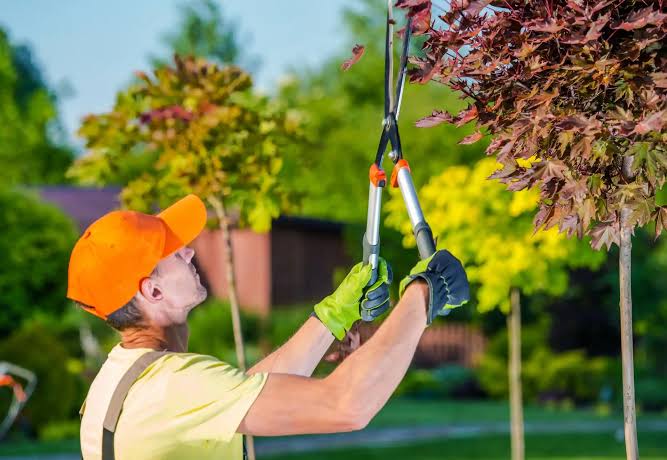

Trees play an important role in maintaining attractive and functional outdoor spaces because they provide shade, enhance landscaping, support wildlife, and contribute to a comfortable environment. However, keeping trees healthy and managing their growth requires consistent attention, especially when branches become overgrown, trunks show signs of damage, or roots begin affecting nearby structures. Without appropriate maintenance, trees can develop problems that create safety concerns, interfere with daily activities, and reduce the overall appearance of a property. Professional tree care helps property owners manage these challenges through careful inspections, proper pruning, tree removal, stump grinding, and other services designed to maintain outdoor spaces. Whether the goal is to preserve healthy trees, address damaged growth, or prepare an area for landscaping improvements, choosing suitable maintenance solutions can help protect the property while supporting the long-term condition of its landscape.
Understanding the Importance of Regular Tree Maintenance
Regular tree maintenance helps property owners recognize potential problems before they develop into more complicated issues. As trees mature, branches can become crowded, deadwood may accumulate, and structural weaknesses can develop because of environmental stress, disease, decay, or physical damage. These conditions may affect the stability of a tree and create concerns when branches extend over roofs, driveways, walkways, parking spaces, or outdoor seating areas. Professional inspections can help identify visible warning signs, including broken limbs, cracks in the trunk, unusual leaning, and changes in foliage. Although some problems can be recognized through ordinary observation, others may require specialized knowledge to determine whether a tree can remain safely in place or needs additional attention.Consistent maintenance also helps preserve the natural shape and appearance of trees while allowing property owners to manage their outdoor spaces more effectively. Appropriate pruning can improve clearance, remove damaged growth, and reduce unnecessary crowding without removing healthy branches indiscriminately. Trees located close to buildings or frequently used areas may require particular attention because changes in their growth can affect access, maintenance, and surrounding structures. Developing a practical maintenance schedule allows property owners to prioritize important concerns and address smaller issues before they become more expensive or difficult to manage. Rather than waiting until a tree becomes an immediate hazard, regular attention provides an opportunity to make informed decisions that support landscape health, property appearance, and everyday safety.
Professional Tree Trimming and Pruning for Healthy Growth
Tree trimming and pruning are essential components of responsible landscape maintenance because they help control growth, improve appearance, and address branches that may become problematic over time. Trees naturally expand their canopies, and their branches may eventually extend toward buildings, block pathways, interfere with vehicles, or grow into areas where they create unnecessary obstructions. Removing selected branches can restore appropriate clearance while helping maintain the tree’s overall structure. Pruning may also be necessary when branches become broken, diseased, or weakened, as damaged growth can fall unexpectedly and create hazards for people or nearby property. The appropriate pruning method depends on the tree species, its age, existing condition, and the purpose of the work, making a careful assessment important before cutting begins.Professional pruning requires an understanding of tree growth patterns and the potential consequences of removing particular branches. Excessive cutting can weaken a tree, interfere with its natural development, and create wounds that may increase its vulnerability to decay or other problems. Experienced professionals evaluate the canopy and determine which branches should be removed to achieve the desired result without causing unnecessary stress. They can also identify situations where routine trimming may not be sufficient and recommend additional evaluation when structural damage or declining health is suspected. Regular pruning can help maintain a balanced appearance, improve clearance around outdoor features, and make ongoing property maintenance easier. However, pruning cannot eliminate every risk associated with severe weather, so the goal should be to maintain suitable tree structure and address identifiable concerns rather than assume that trimming alone will prevent future damage.
Identifying When Tree Removal Becomes Necessary
Although preserving healthy trees is generally beneficial, removal may become necessary when a tree is dead, severely damaged, extensively decayed, or structurally unstable. A tree that has developed major trunk cracks, significant root damage, or a pronounced lean may require professional evaluation to determine whether it can remain in place. Severe weather can also weaken branches and trunks, sometimes leaving a tree vulnerable to further failure even when the damage is not immediately obvious. In other situations, a tree may interfere with planned construction, landscaping improvements, access routes, or essential property maintenance. A professional assessment helps determine whether selective pruning can address the problem or whether complete removal offers a more appropriate long-term solution.Removing a tree involves much more than cutting through the trunk because the surrounding environment can influence how the work must be completed. Large branches and heavy trunk sections can damage buildings, fences, vehicles, garden features, and underground or overhead infrastructure if they are not managed carefully. Limited access, uneven ground, nearby structures, and restricted working space may require a controlled removal process in which the tree is dismantled in smaller sections. Professional crews assess these conditions before selecting equipment and planning the work, helping reduce unnecessary risks and disruption. Property owners should avoid attempting complicated removals without suitable training, protective equipment, and experience because chainsaws, suspended limbs, unstable trunks, and elevated work areas can create serious hazards. Discussing the condition of the tree and the surrounding property with a qualified professional helps establish a suitable removal plan and determine whether additional services, such as stump grinding and debris cleanup, should be included.
Stump Grinding for Cleaner and More Functional Outdoor Areas
After a tree has been removed, the remaining stump can limit how effectively the surrounding space is used. Stumps may obstruct lawn mowing, interfere with landscaping, create tripping hazards, and make it difficult to install new plants or outdoor features. Depending on the tree species, new shoots may also emerge around the stump, requiring additional maintenance and making the area harder to manage. Stump grinding addresses these concerns by using specialized equipment to reduce the remaining stump to wood chips below the surrounding ground level. This approach can help restore usable space without requiring the complete excavation of the entire root system, which may otherwise disturb a larger portion of the landscape.The process and depth of grinding should be determined by considering the stump’s size, location, accessibility, and the intended use of the area afterward. Property owners planning to establish a lawn may have different requirements from those preparing the space for a garden, new planting, or another landscaping feature. Once grinding is complete, the resulting wood chips can be managed according to the property’s needs, and the area can be prepared for suitable follow-up work. It is important to understand that stump grinding does not remove every root from the soil, so some underground material may remain and gradually decompose. Discussing future landscaping plans before the work begins helps ensure that the selected grinding depth and cleanup approach are appropriate for the intended result. By addressing unwanted stumps, property owners can improve the appearance of outdoor spaces and make routine maintenance more convenient.
Land Clearing for Landscaping and Property Improvements
Overgrown vegetation can make outdoor areas difficult to maintain and prevent property owners from using available space effectively. Dense brush, unwanted saplings, fallen branches, and selected trees may obstruct access, limit visibility, or interfere with landscaping and improvement projects. Land clearing helps address these conditions by removing designated vegetation and preparing the area for its next purpose. Depending on the project, clearing may involve removing unwanted trees, cutting back dense growth, grinding stumps, and managing accumulated debris. This work can make outdoor spaces more accessible and provide a cleaner starting point for landscaping, outdoor renovations, or other property improvements.Effective land clearing begins with a clear understanding of the property’s needs and the intended outcome of the project. Some areas may require selective removal to improve access while preserving healthy trees, whereas other projects may involve clearing a larger section of unwanted vegetation. Before work begins, it is important to consider drainage patterns, soil conditions, nearby buildings, underground utilities, and existing landscape features that should remain undisturbed. Removing vegetation without proper planning can contribute to unnecessary soil disturbance, erosion, and the loss of desirable trees or plants. Professional assessment helps determine which vegetation should be removed and which features can be preserved to maintain the property’s overall character. Coordinating tree removal, stump grinding, and debris management as part of the same project can also improve efficiency and reduce the need for repeated work in the same area.
Managing Storm Damage and Potential Tree Hazards
Severe weather can place considerable stress on trees and create unexpected maintenance concerns for residential and commercial properties. Strong winds, heavy rainfall, and other difficult conditions may break branches, split trunks, loosen root systems, or cause entire trees to fall. Even trees that remain standing after a storm may have hidden structural damage that affects their stability. Property owners should look for visible changes such as hanging limbs, damaged trunks, exposed roots, and sudden leaning, while recognizing that a visual inspection alone may not reveal every underlying problem. Trees with substantial damage should be evaluated by qualified professionals before anyone attempts to cut branches or move heavy debris.Storm-damaged trees require particular caution because broken limbs may remain suspended in the canopy and shift unexpectedly when disturbed. Fallen trunks can also place pressure on buildings, fences, vehicles, and other objects, creating additional risks during cleanup. Trees or branches touching electrical lines should never be approached or handled by property owners, and the appropriate utility provider should be contacted to address electrical hazards. Professional crews can evaluate the condition of damaged trees, identify urgent concerns, and recommend suitable trimming, removal, or cleanup procedures. Depending on the situation, the work may also include stump grinding and the removal of scattered branches and other debris. Responding promptly to serious hazards can help prevent additional damage, while maintaining trees before severe weather occurs may help property owners identify certain weaknesses before they become more significant concerns.
How Professional Tree Care Supports Property Appearance
The condition of trees and vegetation can have a noticeable effect on the overall appearance of a property. Healthy trees, balanced canopies, clear walkways, and well-maintained outdoor areas contribute to an organized landscape that feels welcoming and functional. By contrast, dead branches, neglected stumps, excessive vegetation, and damaged trees can make an otherwise attractive property appear poorly maintained. Professional tree care helps property owners address these concerns while preserving suitable trees and improving the arrangement of outdoor features. Trimming can create better clearance near entrances and buildings, while selective removal can eliminate trees that present significant hazards or no longer suit the property’s needs.Tree maintenance can also improve the practical use of outdoor spaces by making room for landscaping, gardening, recreation, and routine property upkeep. Removing an unwanted stump may restore an area for lawn care, while clearing selected vegetation can improve access to sections that were previously difficult to reach. At the same time, preserving healthy mature trees can maintain valuable shade and natural character, making it important to consider the long-term effects of each maintenance decision. Property owners should focus on addressing genuine hazards and managing unnecessary growth without removing trees simply because they require occasional care. Although professional tree work cannot guarantee a particular increase in property value, maintaining an attractive, organized landscape can curb appeal and make the property more enjoyable to use.
Choosing a Reliable Tree Care Professional
Selecting a qualified provider is an important step when planning tree trimming, removal, stump grinding, or land clearing. Property owners should look for professionals who understand the requirements of different tree care tasks, use suitable equipment, and follow appropriate safety practices throughout the project. Insurance coverage is also an important consideration because tree work can involve heavy machinery, elevated operations, falling branches, and potential risks to surrounding structures. Before making a decision, property owners can ask about the provider’s experience, work methods, insurance, cleanup arrangements, and the specific services included in the estimate. Clear answers help establish realistic expectations and make it easier to compare different proposals according to the actual work required.A detailed estimate should explain the planned work and identify whether related services are included in the quoted price. For example, tree removal may not automatically cover stump grinding, hauling away every branch, or preparing the ground for new landscaping. Confirming these details before work begins can help prevent misunderstandings and make project planning more straightforward. Property owners should also discuss access limitations, nearby structures, existing landscape features, and any special concerns that may affect the work. A dependable professional should be able to explain why a particular solution is recommended, describe the general process, and clarify any conditions that could influence the final result. Good communication helps property owners make informed decisions and ensures that the selected service is aligned with their maintenance priorities.
Developing a Long-Term Tree Maintenance Plan
A practical tree maintenance plan helps property owners organize necessary work according to the condition of their trees and the requirements of the surrounding landscape. Instead of treating every tree as though it needs the same attention, periodic inspections can help determine which trees require routine pruning, which should be monitored for changes, and which may need more extensive treatment or removal. This approach makes it easier to prioritize significant concerns while preserving healthy growth whenever possible. Maintaining records of previous inspections, pruning, removals, and other work can also help property owners track changes over time and plan future projects with greater confidence.The appropriate maintenance schedule depends on several factors, including tree species, maturity, visible condition, environmental exposure, and proximity to buildings or regularly used areas. Trees with damaged branches or signs of declining health may require prompt attention, while healthy trees in suitable locations may need less frequent intervention. Seasonal considerations can also influence the timing of certain pruning tasks, so maintenance should be planned according to the tree’s requirements rather than following the same schedule for every species. When property owners are planning landscaping improvements or other outdoor projects, coordinating related services can help reduce disruption and avoid unnecessary repeated work. A consistent approach to tree care supports better organization, encourages early identification of problems, and helps maintain a landscape that remains attractive and functional over time.
Conclusion
Maintaining healthy trees and attractive outdoor spaces requires careful planning, consistent attention, and appropriate action when problems arise. Professional pruning can help manage growth and maintain clearance, while tree removal may be necessary when severe damage, decay, or structural concerns make preservation impractical. Stump grinding can restore usable space after removal, and land clearing can prepare overgrown areas for landscaping or other improvements. Regular inspections and timely maintenance also help property owners recognize developing concerns before they become more difficult to address. By selecting suitable services and prioritizing the condition of each tree, property owners can improve outdoor safety, maintain the appearance of their landscapes, and make better use of their available space.Working with a qualified tree service provider allows homeowners and commercial property managers to address different tree care requirements through a planned and professional approach. Whether the project involves removing hazardous growth, trimming overextended branches, grinding an unwanted stump, or clearing vegetation, the most effective solution depends on the property’s actual condition and maintenance goals. Taking time to evaluate the work, discuss available options, and confirm the scope of service can help ensure that each project is completed with suitable preparation. With consistent maintenance and informed decisions, property owners can preserve healthy trees where appropriate, manage potential hazards, and maintain outdoor environments that remain clean, functional, and visually appealing.