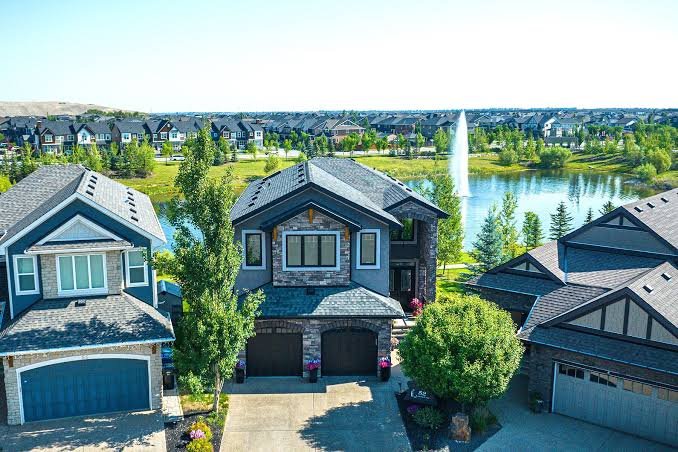

Owning your property in Nova Scotia is one of the dream lifestyle shifts that is impossible to replicate. It’s a luxury to wake up to the serene view of the ocean, spend those summer evenings beside the lake, and enjoy the privacy of a rural cottage surrounded by nature. From oceanfront homes to lakefront cottages and recreational properties, there are many opportunities for buyers exploring Nova Scotia waterfront real estate. However, waterfront ownership requires more than finding a beautiful view at an attractive price.
As a first-time buyer, there are multiple aspects that need to be considered before you make the decision to purchase, including shoreline conditions, water access, drainage, utilities, property condition, maintenance, and long-term use. A practical evaluation before making an offer can help you understand what you are actually buying and whether the property fits your plans.
What Should You Check Before Buying Waterfront Property in Nova Scotia?
Buyers should evaluate the shoreline, property access, utilities, drainage, building condition, water and septic systems, potential coastal hazards, and how they plan to use the property before making an offer.
A waterfront property may look perfect during a sunny showing, but its practical requirements can be very different from those of a typical suburban home. Use the following checklist to look beyond the view and asking price. It helps you to shortlist the available options in the market.
What Type of Waterfront Property Are You Buying?
“Waterfront” can describe several different types of property. Before comparing listings, decide what type of ownership best suits your lifestyle.
You might be considering:
- Oceanfront property
- Lakefront property
- Riverfront property
- A seasonal cottage
- A year-round residence
- A recreational property
On an oceanfront property, Nova Scotia buyers may have different shoreline and weather considerations than a home on a sheltered lake. Likewise, lakefront homes for sale Nova Scotia buyers encounter can vary considerably in access, services, and intended use.
Think about how you expect to use the property. Is it your permanent home, a weekend retreat, an investment, or a place for seasonal recreation? Defining this early can make your search more focused.
Why Does the Shoreline Matter When Buying a Waterfront Home?
The shoreline can affect access, erosion exposure, flooding risk, maintenance, and how the property can be used. Buyers should understand the property’s coastal setting rather than judging it only by the current view.
Nova Scotia provides a Coastal Hazard Map that helps users examine potential coastal flooding scenarios. The provincial tool includes information for current conditions and projected scenarios for 2050 and 2100.
What Should Buyers Investigate?
Before making an offer, look at:
- Shoreline condition
- Signs of previous erosion
- Drainage
- Flood exposure
- Elevation
- Evidence of storm impacts
- Access to the water
- Existing shoreline structures
Do not assume that a property is low-risk simply because it has not experienced a visible problem during recent visits. Coastal conditions can change over time, so property-level research is an important part of due diligence.
What Is a Coastal Hazard Assessment?
Nova Scotia offers tools that allow property owners and prospective buyers to investigate coastal hazards. A Coastal Hazard Assessment Report can provide property-specific information about potential coastal flooding and erosion risks. The province’s Coastal Hazard Map can also be searched using a civic address or property identification number.
For a waterfront purchase, this type of government information can provide useful context before you commit to a property.
What Should You Check Inside the Property?
Once you have considered the shoreline, turn your attention to the house itself. Waterfront scenery should never replace standard property due diligence.
Inspect the Home, Not Just the View
Pay attention to:
- Roof
- Foundation
- Windows
- Heating system
- Electrical system
- Plumbing
- Insulation
- Moisture
- Overall structural condition
The Nova Scotia Real Estate Commission strongly recommends a qualified home inspection. A professional inspection can identify defects and provide a clearer picture of the home’s condition before you complete the purchase.
A Property Disclosure Statement may provide useful information, but it should not be treated as a substitute for an inspection. Sellers may not know about every underlying defect, while a professional inspector can examine major systems that may not be obvious during a viewing.
What About Wells and Septic Systems?
Rural waterfront homes and cottages may rely on private water and septic systems. Buyers should understand:
- The property’s water source
- Septic system type
- System age
- Maintenance history
- Available documentation
- Appropriate inspection or testing
The exact situation will vary from property to property, so discuss these systems with qualified professionals and confirm what inspections or testing are appropriate before completing the purchase. The Nova Scotia Real Estate Commission specifically recommends septic system inspections before finalizing a sale.
Is a Waterfront Cottage Different from a Year-Round Home?
Yes. A seasonal cottage and a year-round waterfront home can have very different requirements, costs, and practical considerations. Buyers should confirm how the property is currently used and whether that matches their intended use.
Questions to Ask
Consider questions such as:
- Is the property seasonal or year-round?
- What heating system does it use?
- Is the road accessible throughout the year?
- Is water available year-round?
- What services are available nearby?
- How far is the property from everyday amenities?
- What maintenance will be required when the property is unoccupied?
A cottage that works well for occasional summer use may not provide the access, heating, services, or convenience you need for full-time living. Be clear about your intended lifestyle before deciding that a property is the right fit.
This is particularly important when searching through cottages for sale in Nova Scotia, where properties can differ significantly in location and intended use.
Why Does Location Matter on Nova Scotia’s South Shore?
Waterfront living can look very different depending on where you buy. On Nova Scotia’s South Shore, buyers may compare properties around Bridgewater, Lunenburg County, Queens County, coastal communities, rural areas, and lake communities.
The right location depends largely on lifestyle. Some buyers may prioritise access to the coast, while others may prefer a quieter lake setting or proximity to town services.
What Makes South Shore Real Estate Different?
South Shore real estate can offer a mix of:
- Coastal living
- Access to beaches
- Lakes and rivers
- Rural privacy
- Town amenities
- Recreational opportunities
- Different levels of access to everyday services
For buyers considering Bridgewater, Nova Scotia real estate, location can also influence how convenient the property is for shopping, services, commuting, and other daily needs.
Rather than choosing a property solely because it has waterfront access, consider how the surrounding community fits your routine. A beautiful location may be less suitable if it places you farther from the services and amenities you regularly need.
What Should You Budget for Beyond the Purchase Price?
The purchase price is only one part of owning property. Buyers should also consider inspection costs, utilities, maintenance, property taxes, insurance, and potential repairs or improvements.
The Nova Scotia Real Estate Commission advises buyers to account for expenses such as heat, electricity, repairs, furnishings, property taxes and maintenance when developing a home-buying budget.
Waterfront Properties May Require Extra Planning
Depending on the property, your planning may also need to account for:
- Shoreline maintenance
- Dock or water-access considerations
- Seasonal maintenance
- Weather exposure
- Heating costs
- Road access
- Landscaping
The goal is not to assume that every waterfront home will cost more to maintain. Instead, evaluate the individual property, its age, infrastructure, location, and exposure so you can make a realistic long-term budget.
How Can a Local REALTOR Help with a Waterfront Property Search?
A knowledgeable local REALTOR® can help buyer’s narrow properties by location, compare different property types, arrange showings, research relevant property information, and navigate offers and negotiations.
The Nova Scotia Real Estate Commission notes that a buyer’s licensee can search for properties, arrange showings, provide information about homes and communities, assist with offers and negotiations, and help buyers navigate transaction requirements.
For buyers exploring Nova Scotia waterfront real estate, working with a REALTOR® who knows the South Shore can make it easier to compare properties based not only on price and appearance, but also on location, lifestyle, and practical considerations. SheSells, led by Holly Leclercq, serves buyers and sellers throughout Nova Scotia’s South Shore, including Bridgewater and surrounding areas.
A REALTOR® should not replace professional advice from inspectors, engineers, lawyers or other specialists. Instead, they can help you identify questions to investigate and guide you through the transaction while you obtain appropriate expert advice. The Commission also stresses that licensees should not discourage consumers from seeking legal or other expert advice
Final Thoughts
Buying waterfront property in Nova Scotia can be an exciting opportunity, but the best purchase is about more than a beautiful view. Shoreline conditions, coastal hazards, property condition, water and septic systems, access, utilities and long-term maintenance all deserve careful consideration.
Take time to investigate the property from both a lifestyle and practical perspective. Use government resources such as Nova Scotia’s Coastal Hazard Map, arrange appropriate inspections, and work with qualified professionals when specialist advice is needed.
For buyers exploring South Shore real estate, a local REALTOR® can also help turn a broad search into a more focused property hunt. The right waterfront home should not only look appealing today; it should make sense for the way you plan to live for years to come.