
Replacing a roof is a significant property improvement project, and one of the most important stages is the removal of the existing roofing materials. A proper roof tear off creates a clean and reliable foundation for the installation of a new roofing system. While covering an old roof with another layer may sometimes appear faster or less expensive, it can prevent contractors from identifying hidden damage beneath the existing materials. Complete removal allows the condition of the roof deck, flashing, underlayment, ventilation components, and other structural elements to be properly evaluated before new materials are installed.
A roof is made up of multiple components that work together to protect a property from rain, wind, sunlight, and moisture. Over time, shingles, membranes, flashing, and other materials naturally deteriorate. Storms, poor ventilation, water intrusion, and improper installation can accelerate this process. When the existing roofing system has reached the point where replacement is necessary, careful removal becomes just as important as the installation of the new roof. A professional approach can help ensure that damaged materials are removed safely, underlying issues are identified, and the new roofing system has a solid foundation.
What Is a Roof Tear Off?
A roof tear off involves removing existing roofing materials from the roof deck before a new roofing system is installed. Depending on the type of roof, this process may involve removing shingles, underlayment, flashing, membranes, fasteners, and other components that are no longer suitable for reuse. The extent of removal depends on the condition and design of the existing roof.For asphalt shingle systems, the process typically involves removing the old shingles and underlayment before inspecting the decking. For other roofing systems, specialized removal methods may be required. Flat roofs, metal roofs, and multi-layer roofing assemblies can have different procedures and disposal requirements.The purpose of a complete tear off is not simply to remove old materials. It provides an opportunity to inspect the roof structure and prepare the surface properly for the new roofing system. This step can reveal damage that would otherwise remain hidden beneath the existing roof.
Why Complete Roof Removal Can Be Important
One of the primary advantages of a complete tear off is visibility. When old roofing materials are removed, contractors can inspect the roof deck for signs of rot, moisture damage, cracks, deterioration, or other weaknesses. If damaged decking is left beneath a new roof, the underlying problem may continue to affect the new system.A clean roof deck also provides a better surface for installing new underlayment and roofing materials. Proper preparation can improve the attachment and alignment of the new roof while allowing contractors to address problems before they become difficult to access.Another benefit is the opportunity to identify previous installation issues. Improper flashing, inadequate ventilation, excessive layers, or deteriorated sealants may become visible during the tear-off process. Addressing these concerns during replacement can help improve the performance of the new roofing system.
Signs That a Roof May Need a Tear Off
Not every roof requires complete removal immediately. However, certain conditions can indicate that a tear off and replacement may be more appropriate than localized repairs. Significant age, widespread shingle deterioration, recurring leaks, extensive storm damage, sagging areas, and multiple layers of old roofing materials are common considerations.If a roof has experienced repeated repairs in different areas, continued maintenance may eventually become less cost-effective. A professional inspection can help determine whether the roofing system is still suitable for repair or whether replacement is a better long-term option.Extensive moisture damage is another reason a tear off may be necessary. If water has entered beneath the roofing surface, the affected areas may include insulation, underlayment, and decking. Removing the old roofing materials allows these components to be evaluated and replaced when needed.
The Roof Inspection Before Tear Off
A thorough inspection should take place before the project begins. The contractor should evaluate the visible roofing materials, roof slope, drainage, flashing, penetrations, ventilation, and overall condition of the system. This information helps determine the appropriate removal and replacement strategy.The inspection can also identify potential complications. Chimneys, skylights, vents, HVAC equipment, solar equipment, and other roof penetrations may require additional care during removal. Understanding these conditions in advance helps the contractor plan the project more effectively.Property owners should receive a clear explanation of what the tear-off process will include. A detailed estimate can outline the materials being removed, disposal procedures, potential decking replacement, installation of new components, and expected project timeline.
Protecting the Property During Tear Off
Roof removal creates debris, dust, and falling materials, so protecting the surrounding property is an important part of the process. Professional crews use appropriate procedures to control debris and reduce the risk of damage to landscaping, siding, windows, doors, vehicles, and other exterior features.Protective coverings may be used around areas where debris could fall. Workers should also maintain an organized work area and remove roofing debris regularly rather than allowing materials to accumulate around the property.Interior protection is important as well. While professional tear-off crews work carefully, vibrations from removing roofing materials can sometimes affect items stored in attics or upper areas. Property owners may be advised to secure fragile items before work begins.
Removing Old Shingles Carefully
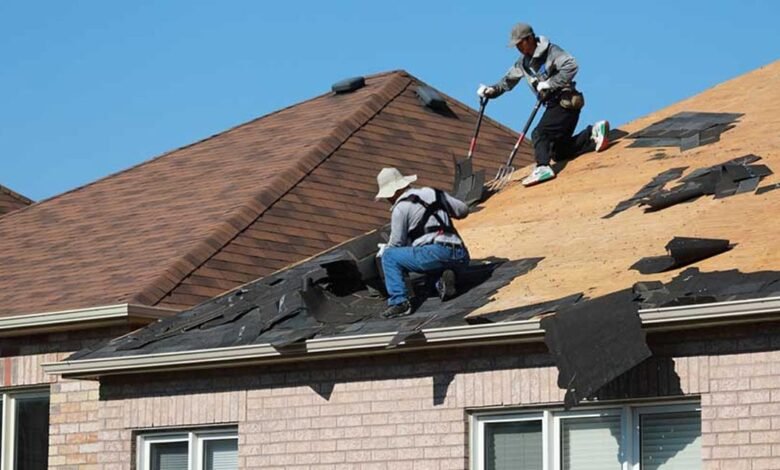
For asphalt shingle roofs, removing the old shingles is a major part of the tear-off process. Specialized roofing tools can be used to lift and remove shingles, nails, and other materials from the roof deck.Careful removal is important because aggressive techniques can damage the decking. The goal is to remove the old roofing system while preserving the underlying structure whenever possible.After the shingles are removed, contractors can identify areas where the decking needs repair. Nails and remaining debris should also be removed so the surface can be properly prepared for the new roofing materials.
Inspecting and Repairing Roof Decking
The roof deck provides the foundation for the roofing system. If the decking is soft, cracked, rotted, or otherwise damaged, it may not provide adequate support for new materials.During a tear off, damaged sections can be identified much more easily than when they are covered by existing roofing. Replacing compromised decking helps create a stronger foundation for the new roof.Not every section of decking will necessarily require replacement. A professional contractor can evaluate the condition of the material and determine which areas can remain and which need repair. This approach helps address actual structural concerns without automatically replacing materials that are still serviceable.
Replacing Underlayment
Underlayment provides an additional layer of protection beneath shingles or other roofing materials. During a complete tear off, the existing underlayment is generally removed so a new protective layer can be installed.The appropriate underlayment depends on the roofing system, roof design, and installation requirements. It can help protect the deck from moisture and provide additional defense if water gets beneath the exterior roofing material.Proper installation is important because gaps, wrinkles, or improperly secured sections can reduce its effectiveness. The underlayment should be integrated appropriately with flashing, valleys, edges, and other vulnerable areas.
Checking Flashing During a Tear Off
Flashing is one of the most important components to inspect during roof replacement. It is installed around areas such as chimneys, vents, skylights, valleys, walls, and roof edges to direct water away from vulnerable joints.Old flashing may be corroded, bent, damaged, or improperly installed. Reusing deteriorated flashing can create leak risks even when new roofing materials are installed correctly.A tear off provides an opportunity to replace or upgrade flashing where necessary. Properly installed flashing can help the new roofing system manage water more effectively and reduce the likelihood of leaks around penetrations and transitions.
Addressing Roof Ventilation
Roof replacement is also an opportunity to evaluate ventilation. Poor ventilation can contribute to heat buildup, condensation, and moisture problems in attic spaces. Over time, these conditions can affect insulation, decking, and roofing materials.During a tear off, contractors can inspect existing ventilation components and determine whether improvements are appropriate. Depending on the roof design, ventilation may involve ridge vents, soffit vents, exhaust vents, or other systems.Proper ventilation should be planned as part of the complete roofing assembly. Simply adding a new exterior roofing surface without considering attic conditions may leave underlying moisture or temperature problems unresolved.
Handling Gutters and Roof Drainage
Effective drainage is essential for a successful roofing project. Gutters, downspouts, valleys, scuppers, and drains help move water away from the roof and building.During a tear off, contractors can inspect drainage components for damage or poor performance. Clogged or deteriorated gutters may need cleaning or replacement, while drainage paths should remain clear of debris.On low-slope or flat roofing systems, drainage is particularly important because water may remain on the surface if the system is not properly designed. Addressing drainage concerns during replacement can help protect the new roof from prolonged moisture exposure.
Safe Removal of Roofing Materials
Roof tear-off work involves elevated surfaces, heavy materials, sharp fasteners, and falling debris. Safety should therefore be a central part of the project. Professional crews use appropriate protective equipment, ladders, fall protection, tools, and debris-management procedures.Property owners should avoid attempting major tear-off work without the appropriate experience and safety equipment. A roof can become especially hazardous when materials are removed because the surface may become uneven or exposed.Professional crews also understand how to coordinate workers, material movement, debris removal, and equipment placement. A structured process helps reduce risks while keeping the project organized.
Managing Roofing Debris
A complete tear off can generate a substantial amount of waste. Old shingles, underlayment, nails, flashing, damaged decking, and other materials must be collected and disposed of appropriately.Professional roofing contractors generally plan for debris management before work begins. Dumpsters, trailers, or other collection systems can be positioned in appropriate areas to make cleanup more efficient.Proper cleanup is important not only for appearance but also for safety. Loose nails and sharp roofing debris can create hazards around walkways, driveways, landscaping, and other areas of the property. A thorough final cleanup should be part of the project.
Preparing for New Roofing Installation
Once the old roofing system has been removed and the roof deck has been inspected, the surface can be prepared for the new roofing system. Any damaged decking should be repaired, and the surface should be clean and suitable for installation.The contractor can then install new underlayment, flashing, ventilation components, and other supporting materials according to the roofing design. Proper preparation helps ensure that the new shingles, metal panels, or other roofing materials are installed on a stable and properly protected surface.The quality of this preparation can have a major influence on the performance of the finished roof. Rushing through the tear-off or preparation stages can create problems that remain hidden until after the new roof has been installed.
Tear Off vs. Roofing Over
In some circumstances, roofing materials may be installed over an existing layer rather than completely removing the old roof. While this approach may reduce certain labor and disposal costs, it does not provide the same level of access to the roof deck.A roof-over can make it more difficult to identify hidden moisture damage, deteriorated decking, improper flashing, or previous installation problems. Additional roofing layers can also increase the overall weight of the roof structure.Whether a tear off is necessary depends on the roof’s condition, existing layers, material requirements, and applicable building standards. A professional inspection can help determine which approach is appropriate.
Cost Considerations
The cost of a roof tear off depends on several factors, including roof size, slope, number of existing layers, material type, accessibility, labor, disposal requirements, and the condition of the underlying decking.Additional costs may occur if damaged decking, flashing, ventilation components, or other structural elements need replacement. Property owners should understand that these discoveries are not necessarily signs of poor planning. Some damage cannot be accurately evaluated until the old roofing materials have been removed.A detailed estimate should explain the expected tear-off work and identify how unexpected structural repairs will be handled. Clear communication about potential additional costs can help property owners plan their budgets more effectively.
Choosing the Right Roofing Contractor
Selecting an experienced contractor is one of the most important decisions in a roof replacement project. A professional should be able to explain the tear-off process, identify potential problem areas, provide a clear project scope, and describe how debris and unexpected damage will be managed.Property owners should ask about the roofing materials being installed, underlayment, flashing, ventilation, warranties, cleanup procedures, and expected project timeline. A written estimate can help ensure that all important components are included.The contractor should also demonstrate an understanding of the specific roofing system being removed and installed. Different materials require different removal and installation techniques, so experience can make a significant difference in project quality.
How a Proper Tear Off Supports Roof Longevity
A new roof is a long-term investment, and proper preparation can help protect that investment. A complete tear off allows contractors to identify hidden damage, repair weak areas, install new protective layers, and address problems with flashing or ventilation before the new roof covers everything. This process can reduce the possibility that old problems will be carried into the new roofing system. A clean and properly prepared deck provides a better foundation for the new materials and gives property owners greater confidence in the finished project. Although a complete tear off can involve more labor than simply covering an existing roof, the additional preparation can provide important long-term benefits when replacement is necessary. For professional roofing solutions, property owners can rely on a trusted roof tear off for proper tear-off and replacement services.
Conclusion
A roof tear off is a critical stage of many roofing replacement projects because it provides access to the underlying structure and creates an opportunity to correct hidden problems. Removing old roofing materials allows professionals to inspect the roof deck, replace damaged sections, install new underlayment, evaluate flashing, improve ventilation, and address drainage concerns before the new roof is installed.Careful removal and thorough preparation can make a significant difference in the performance and longevity of the finished roofing system. Property owners should therefore avoid treating tear off as an unnecessary step when the existing roof has reached the end of its serviceable life. A professional evaluation can determine whether complete removal, localized repair, or another approach is appropriate.For dependable roofing replacement and tear-off services, working with an experienced roof tear off can help ensure that the project is handled with proper planning, safety, material selection, and workmanship. Whether the new system involves shingles, metal roofing, flat roofing, or another approved material, a carefully completed tear off can provide the clean foundation needed for a durable and reliable new roof.