
Solar energy has become an important option for property owners looking for ways to generate electricity from a renewable source and manage their long-term energy needs. A solar system can represent a significant investment, so choosing the right installation professional is an important part of the process. The quality of the equipment, system design, installation work, monitoring, warranties, and ongoing service can all influence the overall ownership experience. Before moving forward, property owners should take time to understand how solar systems work, what their energy requirements are, and which services are included in a proposed project. Working with a qualified solar company can help ensure that the system is designed around the property’s characteristics and the owner’s long-term energy goals.
Understand Your Current Energy Usage
The first step toward planning a solar energy system is understanding how much electricity the property currently consumes. Reviewing electricity bills from previous months can provide useful information about average consumption and seasonal changes. Energy usage may increase or decrease depending on heating and cooling requirements, occupancy, appliances, business equipment, and other factors. Property owners should also think about future changes that could affect electricity consumption, such as purchasing an electric vehicle, adding new appliances, expanding a building, or changing how the property is used. A solar company can use consumption information as part of the system design process to estimate an appropriate system size.
Evaluate Your Solar Goals
Solar systems can be installed for different reasons, so property owners should identify their primary goals before comparing installation proposals. Some people may be interested in reducing electricity expenses, while others may prioritize renewable energy generation, energy independence, backup power, or long-term property improvements. Understanding these priorities can make it easier to evaluate equipment and system configurations. If battery storage is important, the solar system may need to be designed differently than a system focused primarily on daytime electricity production. A professional solar company should take time to understand these objectives instead of recommending the same configuration to every customer.
Consider the Property’s Condition
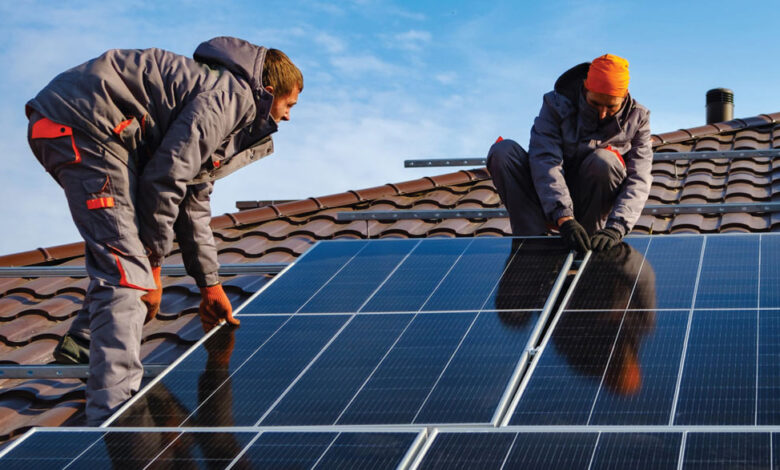
The physical characteristics of a property can have a significant effect on solar system design. For rooftop installations, the condition, age, shape, orientation, and available space of the roof should be considered before equipment is installed. A roof that needs major repairs or replacement may require attention before solar panels are added. Ground-mounted systems have different considerations, including available land, access, structural support, and equipment placement. Shading from trees, buildings, or other structures can also influence expected energy production. A qualified solar company should evaluate these factors during the initial assessment and explain how they affect the proposed system.
Compare Solar Panel Quality
Solar panels are a major component of a photovoltaic system, so their specifications should be reviewed carefully. Panels can differ in efficiency, power output, dimensions, construction, warranty coverage, and expected performance. Efficiency can be particularly relevant when installation space is limited because higher-efficiency panels may produce more electricity from a similar area. However, efficiency is only one factor among many. Property owners should also consider product warranties, manufacturer information, temperature characteristics, degradation expectations, and compatibility with other system components. A reputable solar company should provide clear technical information and explain why particular panels are appropriate for the planned installation.
Review Inverter Options
Inverters are another important part of a solar energy system because they convert the electricity generated by solar panels into a form that can be used by the property’s electrical system. Different inverter configurations may be suitable for different installations. String inverters, microinverters, and other technologies each have different characteristics related to system design, monitoring, maintenance, and performance. The best choice depends on factors such as panel arrangement, shading, system size, and installation requirements. Property owners should ask the installer which inverter technology is being proposed and why. A knowledgeable solar company should be able to explain the equipment in straightforward terms and describe how it will work with the rest of the system.
Ask About System Monitoring
Solar monitoring can provide valuable information about how a system is performing after installation. Depending on the equipment, monitoring platforms may display electricity production, system status, historical performance, and alerts about potential issues. Having access to this information can help property owners understand their energy production and identify unusual changes that may require attention. Before signing an agreement, customers should ask whether monitoring is included and how it can be accessed. A professional solar company should explain what information will be available and whether the monitoring system requires additional fees or services.
Examine Warranty Coverage
Solar equipment can remain in service for many years, making warranty coverage an important consideration. Solar panels, inverters, mounting equipment, and installation work may have separate warranties with different terms and conditions. Property owners should review these documents carefully rather than assuming that every component has identical coverage. It is also important to understand who handles warranty claims and whether the installer provides support if a manufacturer issue occurs. A reliable solar company should provide warranty information in writing and explain the basic responsibilities of both the customer and the equipment manufacturer. Understanding warranty coverage in advance can make long-term ownership easier to manage.
Consider Installation Experience
Professional installation involves more than attaching panels to a roof or mounting equipment on a structure. Installers must consider electrical connections, equipment placement, wiring, structural requirements, weather protection, safety procedures, and system commissioning. Experience can help contractors recognize potential challenges and address them before they become larger problems. Property owners should ask about the installer’s experience with projects similar in size and design to their own. Reviewing examples of previous work can also provide useful information. An experienced solar company should be able to describe the installation process clearly and explain what customers can expect before, during, and after the project.
Review the Complete Project Proposal
When comparing solar providers, property owners should examine the entire proposal rather than focusing on the total price alone. A complete proposal should identify the major equipment, system capacity, estimated production, installation services, warranties, monitoring, and other relevant project details. Some proposals may include additional electrical work, structural improvements, permits, or other services, while others may treat these as separate costs. Understanding what is included can make comparisons much more meaningful. A trustworthy solar company should provide transparent information and answer questions about anything that appears unclear or incomplete in the proposal.
Understand Financing and Ownership
Solar systems can be purchased through different financial arrangements, and each option can affect ownership and long-term costs. Depending on the available programs and agreements, customers may be able to purchase a system directly, use financing, or enter into another type of payment arrangement. Each structure can have different responsibilities related to maintenance, warranties, equipment ownership, and property transfers. Before signing a contract, property owners should carefully review payment terms and understand what happens if they sell or transfer the property. A responsible solar company should explain the agreement clearly without leaving important financial details ambiguous.
Consider Battery Storage
Battery storage can be an option for property owners who want to store solar-generated electricity for later use. Batteries may provide additional flexibility by allowing stored energy to be used when solar production is lower, depending on the system configuration and applicable electrical arrangements. However, adding storage increases the complexity and cost of a solar project, so it should be considered based on actual energy needs. Customers should evaluate desired backup capacity, expected usage patterns, available installation space, and system compatibility. A qualified solar company can explain how battery storage would interact with the proposed solar array and whether a particular configuration is appropriate for the property’s goals.
Evaluate Roof Preparation
For rooftop solar installations, roof preparation should be considered before the panels are installed. Solar equipment can remain in place for many years, so it is generally important to assess whether the existing roof is in suitable condition. If significant repairs or replacement are expected in the near future, completing those projects before installing solar equipment may simplify future maintenance. Property owners should also consider how panels and mounting equipment will be positioned. A professional solar company should inspect the roof and identify concerns that could affect installation rather than proceeding without evaluating the supporting surface.
Understand Maintenance Requirements
Solar energy systems typically do not require the same level of routine maintenance as many mechanical systems, but they still benefit from periodic inspection and attention. Dust, dirt, leaves, debris, weather exposure, and equipment issues can affect system performance depending on the property’s conditions. Monitoring data can also help identify unusual changes in electricity production. Property owners should ask what maintenance is recommended and whether the installer offers inspection or service options after installation. Understanding these responsibilities in advance can help customers plan for long-term ownership. A dependable solar company should provide practical information about maintenance and explain which tasks are the owner’s responsibility.
Check Customer Support
Customer support can remain important long after installation is complete. Property owners may eventually need assistance with monitoring, warranty questions, system performance, maintenance, or equipment issues. Before choosing an installer, customers should ask how service requests are handled and whether support remains available after the installation is completed. It is useful to understand whether customers have a direct point of contact and how technical problems are addressed. Good communication can make the ownership experience more straightforward. A solar company that clearly explains its post-installation support can help customers understand what assistance is available throughout the system’s operating life.
Think About Future Energy Needs
Long-term energy planning is an important part of choosing a solar system. Electricity consumption may change over time as properties add appliances, electric vehicles, heating or cooling equipment, or other electrical loads. Property owners should consider whether the proposed system can accommodate reasonable future needs or whether expansion may be possible later. Electrical infrastructure and available installation space may influence these options. Discussing future plans during the initial design stage can help avoid unnecessary limitations. A knowledgeable solar company can consider both current consumption and expected changes when developing the system configuration.
Compare Contractors Carefully
Choosing a solar installer should involve more than comparing advertisements or selecting the lowest quoted price. Property owners should evaluate experience, equipment quality, warranties, system design, installation practices, customer support, and contract terms. References, reviews, and examples of previous work may provide additional information about a contractor’s service. Customers should also be cautious about proposals that make unrealistic promises or provide limited technical information. Taking time to compare several detailed proposals can help property owners understand the available options and identify important differences between providers. A reputable solar company should be comfortable answering detailed questions and providing documentation about the proposed project.
Plan for Long-Term Performance
The ultimate value of a solar system depends not only on the initial installation but also on how effectively it performs over time. Proper system design, high-quality components, professional installation, monitoring, and maintenance can all contribute to long-term performance. Property owners should keep records of equipment information, warranties, installation documents, and monitoring data so that these resources are available when needed. Regularly reviewing system performance can also help identify changes that deserve attention. A well-managed solar company relationship can provide useful support throughout the life of the system and help property owners address questions as they arise.
Conclusion
Choosing a solar installer is an important decision that requires careful consideration of equipment, system design, installation quality, warranties, financing, maintenance, monitoring, customer support, and future energy needs. Property owners should take time to understand their current electricity consumption and establish clear goals before comparing proposals. A complete evaluation should consider the quality of the panels and inverters, the condition of the installation area, expected energy production, available support, and the terms of the agreement. Rather than focusing on one factor alone, customers can benefit from reviewing the entire value offered by each provider. By researching options carefully and asking detailed questions, property owners can make an informed decision about their solar investment and establish a system designed to support their energy needs for years to come.