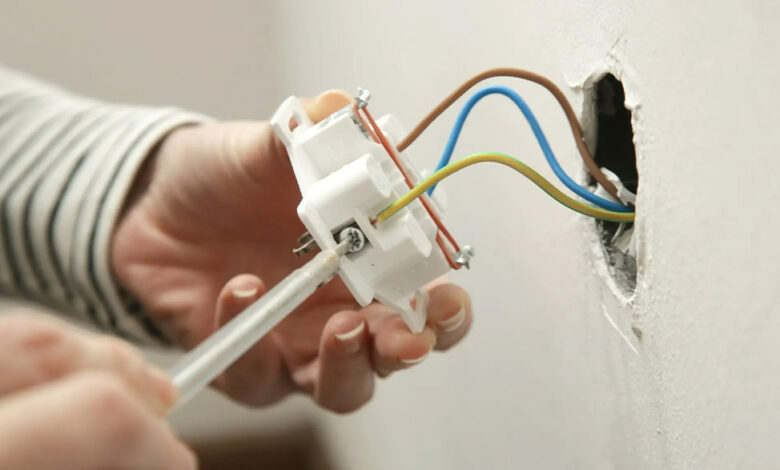

Electrical problems often begin as small inconveniences: an outlet that feels warm, a light that flickers, or a breaker that trips more than once. For Idaho homeowners, addressing these signs early can help prevent further damage and clarify whether a repair needs a licensed professional. This guide covers common electrical repairs Idaho residents may encounter, what to watch for, and when to stop troubleshooting and call an electrician.
Outlet and switch problems
Outlets and switches are used every day, so small changes in how they feel or function can be easy to dismiss. A loose receptacle or unreliable switch may point to wear, damage, or a connection problem behind the wall. Pay attention to changes rather than repeatedly testing a device that seems unsafe.
Loose, warm, or discolored receptacles
An outlet that shifts when you plug something in may no longer hold the plug securely. Warmth, scorch marks, or discoloration are more serious signs and can indicate overheating or another fault. Stop using the receptacle and avoid removing its cover; a qualified electrician can inspect it and determine what needs repair.
Switches that crackle, buzz, or work intermittently
A switch should operate without crackling, buzzing, or needing several attempts. Those sounds or inconsistent behavior can signal a worn component or a wiring issue, and the cause is not always visible from the outside. If the switch feels hot, smells burnt, or produces sparks, stop using it and seek prompt professional help.
When an outlet or switch needs replacement rather than tightening
A faceplate that is loose may need attention, but tightening visible hardware will not fix damaged contacts or wiring inside the box. If an outlet will not hold a plug, has visible damage, or continues to feel loose after simple external checks, replacement or further inspection may be appropriate. Avoid opening the device unless you are qualified to work safely on electrical equipment.
Breaker and circuit issues
Breakers are designed to interrupt power when a circuit has a problem, so a trip is useful information, not just an annoyance. A single trip may follow an unusual load, but repeated trips deserve investigation. Note what was running and when the breaker opened; that history can help an electrician narrow down the cause.
Breakers that trip repeatedly
A breaker that trips again after being reset may be responding to an overloaded circuit, a faulty appliance, or another electrical problem. Do not keep resetting it or replace it with a breaker of a different rating. The visible symptom does not identify the cause, and repeated trips warrant a professional assessment.
Circuits strained by high-demand appliances
Heating equipment, kitchen appliances, and other high-demand devices can place substantial load on a household circuit. If lights dim or a breaker trips when a particular appliance starts, note which devices share that circuit and whether the pattern repeats. The observations below can help organize what you notice before arranging an inspection.
| What you notice | When it happens | Useful detail to record |
| Breaker trips | When one appliance starts | Which appliance was running |
| Lights dim briefly | During a high-demand device cycle | Which rooms or lights are affected |
| Several devices lose power | At the same time | What else was plugged in or operating |
These notes are clues, not a diagnosis. An electrician can determine whether the circuit is overloaded, a device is faulty, or another issue is involved.
Signs a panel needs inspection or repair
A panel that makes unusual sounds, smells burnt, shows corrosion, or has visible damage should be checked by a professional. Repeated breaker problems across different parts of the home also merit inspection. Keep the panel area accessible, but do not remove its cover or touch internal components.
Damaged or aging wiring
Wiring is mostly hidden, which can make deterioration harder to spot than a damaged outlet or fixture. Visible damage, unexplained changes in how circuits behave, and the age or history of a home can all be reasons to seek an assessment. Do not assume a quick patch has resolved a problem inside a wall or ceiling.
Frayed, exposed, or chewed wires
Damaged insulation can expose conductors and create a shock or fire hazard. If you see frayed or chewed wiring, keep people and pets away and do not touch or tape over it. If it is safe to do so, stop using the affected equipment and contact an electrician to assess the damage.
Flickering lights and other signs of loose connections
A bulb that flickers once may simply be loose or nearing the end of its life. If several lights flicker, the problem changes when appliances run, or the symptom keeps returning after a bulb is replaced, a connection or circuit issue may be involved. Track where and when it happens rather than treating repeated flickering as a bulb problem by default.
Older wiring that may need a safety assessment
Older homes can have electrical components that differ from those used in newer construction, and renovations may have changed parts of the system over time. Age alone does not prove that wiring is unsafe, but a qualified electrician can assess its condition and identify concerns. An inspection is especially useful when the home’s electrical history is uncertain or a remodel is planned.
Lighting and fixture repairs
Lighting problems can come from a bulb, a fixture, a switch, or the circuit supplying power. Start with simple, safe observations, such as whether one light or several are affected, but do not ignore recurring symptoms. A fixture that moves, smells hot, or shows damage needs more than cosmetic attention.
Flickering or frequently burning-out bulbs
Check that a bulb is seated properly and is compatible with the fixture, following the manufacturer’s instructions. If bulbs burn out unusually often or flickering continues with a suitable replacement, the fixture or circuit may need inspection. Persistent symptoms are worth documenting so the cause can be assessed rather than repeatedly swapping bulbs.
Loose fixtures and ceiling fans
A fixture or fan that wobbles, shifts, or pulls away from its mounting point may be insecure. Stop using equipment that appears unstable, particularly if it is overhead, and do not rely on a loose cover or bracket to hold its weight. A qualified professional can check the mounting and electrical connections.
Replacing outdated fixtures without overloading a circuit
Before replacing a fixture, confirm that the new equipment is appropriate for its location and electrical supply. A change in lighting does not automatically mean a circuit can support additional devices, and wiring should not be altered based on guesswork. For more involved upgrades, have an electrician review the existing circuit and the fixture requirements.
GFCI and outdoor electrical repairs
Ground-fault circuit interrupter, or GFCI, outlets are designed to cut power in certain fault conditions and are commonly used where moisture may be present. Outdoor equipment also faces weather, temperature changes, and physical wear. If a protective outlet or cover is damaged or does not work as expected, do not assume it is still providing protection.
GFCI outlets that will not reset or test properly
Follow the device’s test and reset instructions, and check whether the outlet has power from a switched or upstream source. If it will not reset, trips again, or fails its test, stop relying on it and arrange an inspection. Do not bypass the GFCI or substitute an ordinary outlet to keep a device running.
Weather-damaged exterior outlets and covers
Cracked covers, loose fittings, corrosion, or signs that water has entered an exterior outlet call for attention. Avoid using the outlet until it has been checked, especially if it is wet or visibly damaged. Replacement parts need to be suitable for the location, and an electrician can determine whether the outlet or wiring also needs repair.
Electrical concerns around basements, garages, and damp areas
Water intrusion, condensation, and stored items can complicate electrical safety in basements and garages. Keep cords and electrical devices away from standing water, and do not touch equipment that may be energized while wet. If flooding reaches outlets, appliances, or wiring, stay clear and contact the appropriate professionals before restoring power.
Deciding when to call an electrician
Some minor observations, such as noting which bulb flickers, can help identify a pattern. Electrical repairs themselves can involve hidden wiring or energized parts, so symptoms that repeat or suggest heat, damage, or shock risk should not be treated as routine DIY projects. When in doubt, step away and get a qualified assessment.
Warning signs that call for prompt attention
Certain signs mean it is safer to stop using the affected equipment and seek help promptly. If you notice any of these, do not open a panel, remove a device, or keep resetting a breaker to see what happens:
- Burning or melting smells near outlets, switches, or the electrical panel
- Sparks, smoke, or visible scorch marks
- A shock or tingling sensation when touching an appliance or device
- A breaker that trips repeatedly or a receptacle that feels hot
If there is smoke or an active fire, leave the area and call emergency services. For other warning signs, keep people away from the affected area and contact a qualified electrician; the safest next step depends on the conditions in the home.
Why repeated DIY fixes can leave hazards unresolved
Replacing a bulb or checking that a plug is fully seated may be a reasonable first observation. But repeated resets, improvised repairs, or covering damage can hide symptoms without addressing the underlying fault. If a problem returns, stop experimenting and explain what you have already noticed to a professional.
Checking local Idaho requirements before electrical work
Permit and inspection requirements can vary with the type of work and the local jurisdiction. Before planning an electrical alteration, check with the relevant Idaho or local building authority about current requirements, and ask the electrician what permits or inspections may apply. A search for a residential electrician in rigby or for Synergy Electric Solutions can help you identify names to verify; confirm qualifications and the scope of work directly rather than assuming a listing establishes them.
Conclusion
Warm outlets, repeated breaker trips, damaged wiring, and unreliable lights are all reasons to pay closer attention to a home’s electrical system. Notice patterns, avoid disturbing damaged equipment, and bring in a qualified electrician when symptoms persist or suggest a hazard. Acting early can help clarify the problem before it becomes harder to address.
Frequently Asked Questions
What should I do if an outlet feels warm?
Stop using the outlet and unplug equipment if you can do so safely. Do not remove the cover; arrange for a qualified electrician to inspect it, especially if there is discoloration, odor, or visible damage.
Is it normal for a breaker to trip more than once?
A breaker that trips repeatedly is signaling a problem that needs investigation. Avoid repeated resets and note which devices were operating when it happened so an electrician can assess the circuit.
Why do my lights flicker when an appliance turns on?
A brief change can have several causes, including a circuit under strain or a loose connection. If the flickering persists, affects multiple lights, or keeps returning, have the system checked rather than assuming it is only a bulb issue.
Can I use an outlet that has a cracked cover?
A cracked cover can expose parts to damage or moisture, particularly outdoors or in damp locations. Avoid using a visibly damaged outlet until it has been inspected and repaired as needed.
What if a GFCI outlet will not reset?
Follow the outlet’s instructions once, but do not bypass it or keep trying if it will not reset or immediately trips again. Have an electrician check the outlet and the circuit it serves.
Should older homes always have their wiring replaced?
Not necessarily. Age by itself does not establish that wiring is unsafe; an inspection can evaluate its condition and identify whether repair or replacement is appropriate.
Do I need to check permits before electrical work in Idaho?
Requirements depend on the work and local jurisdiction. Check with the relevant building authority before an alteration and confirm with the electrician whether permits or inspections apply.