Facial Bar: A Complete Guide to Understanding, Choosing, and Enjoying Professional Facial Care

A healthy, well-maintained complexion can have a significant impact on how a person feels about their appearance and daily skincare routine. While home skincare products can provide valuable support, professional facial treatments offer a more personalized approach to cleansing, exfoliation, hydration, and skin maintenance. A facial bar brings together a range of professional skincare services in a setting designed around convenience, relaxation, and customized treatment. Whether someone wants a refreshing facial before an important event, regular maintenance for their complexion, or help addressing specific skincare concerns, choosing the right facial service can make the experience more effective and enjoyable.
Modern skincare has moved beyond the idea that one treatment or product can work for everyone. Different skin types have different needs, and those needs can change with age, weather, lifestyle, diet, stress, and environmental exposure. A professional skincare provider can assess the condition of the skin and recommend treatments based on its current needs. Understanding what happens during a professional facial, what services may be available, and how to prepare for and maintain the results can help clients make informed decisions.
Understanding What a Facial Bar Offers
A facial bar is generally designed to focus specifically on professional facial and skincare services. Instead of treating skincare as an occasional luxury, many modern facial-focused businesses emphasize regular maintenance and streamlined treatments. Services may range from basic cleansing and hydration treatments to specialized options designed to improve the appearance and texture of the skin.
The environment can also distinguish a facial-focused business from a traditional beauty salon. Many facial bars are designed around efficient appointments, professional skincare products, and treatment experiences that can fit into busy schedules. Some offer express services for clients who want a quick refresh, while others provide longer treatments that include multiple stages of cleansing, exfoliation, massage, masks, and hydration.
The specific services offered can vary considerably. Some businesses specialize in customized treatments, while others provide a menu of established facial options. Before booking an appointment, it is useful to review the available services and determine whether they are appropriate for the skin’s current condition and personal goals.
Why Professional Facial Treatments Matter
The skin is constantly exposed to environmental factors such as dust, pollution, sunlight, changing temperatures, and dry or humid conditions. Even a consistent home skincare routine may not address every concern. Professional treatments can provide deeper cleansing and targeted care while giving clients an opportunity to receive guidance about their ongoing skincare habits.
One advantage of professional facial treatments is customization. A trained skincare professional can examine the skin and identify concerns such as dryness, excess oil, congestion, uneven texture, or sensitivity. Treatment products and techniques can then be selected accordingly.
Professional facials can also provide a relaxing experience. Facial massage, warm towels, calming products, and a quiet treatment environment can make skincare feel restorative as well as practical. Relaxation itself does not replace proper skincare, but it can be an enjoyable part of a regular self-care routine.
Consistency is often more important than occasional intensive treatments. A person who receives appropriate professional care at suitable intervals and follows a sensible home routine may be better positioned to maintain a healthy-looking complexion over time.
Choosing Treatments for Different Skin Types
Understanding skin type is an important part of selecting a facial treatment. Common skin types include dry, oily, combination, normal, and sensitive skin. However, skin conditions can change, and a person may experience more than one concern at the same time.
Dry skin may benefit from treatments focused on hydration and barrier support. Products containing gentle moisturizing ingredients can help improve the feeling of tightness and dryness. Aggressive exfoliation may not be appropriate when the skin barrier is already compromised.
Oily or congested skin may require a different approach. Cleansing and carefully controlled exfoliation can help remove excess buildup, while treatments designed for hydration can prevent the skin from becoming unnecessarily dry. A professional should determine how much exfoliation or extraction is appropriate rather than assuming that stronger treatment is always better.
Combination skin can have both oily and dry areas, requiring a balanced approach. Treatment may need to be adjusted according to different zones of the face.
Sensitive skin requires particular care. Fragrance, strong active ingredients, heat, or aggressive exfoliation may cause irritation for some individuals. A professional can help identify gentler options and recommend appropriate products.
Common Facial Services
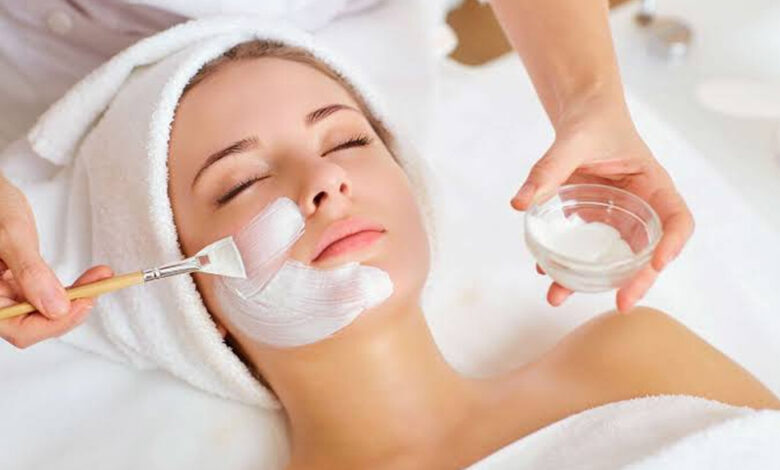
One of the most common professional treatments is a basic cleansing facial. This typically involves cleansing the skin, preparing the surface, exfoliating where appropriate, applying a treatment mask, and finishing with moisturizing or protective products. The exact steps vary depending on the provider and the client’s needs.
Hydrating facials focus on improving the skin’s moisture level and creating a smoother, more comfortable appearance. These treatments can be especially appealing when the skin feels dry, tight, or dull.
Exfoliating treatments are designed to remove accumulated dead skin cells from the surface. Exfoliation can improve the appearance of texture and help skincare products spread more evenly. However, excessive exfoliation can cause irritation, so frequency and intensity should be appropriate for the individual.
Some facial services include gentle extraction to remove certain types of congestion. Extraction should be performed carefully because excessive pressure or improper technique can irritate the skin and potentially cause damage.
Other treatments may focus on calming, brightening, or improving the appearance of uneven texture. Because treatment menus vary, clients should ask what products and techniques are included before booking.
The Importance of Professional Skin Assessment
A professional facial should not simply involve applying products according to a standard sequence. An initial assessment can help determine what the skin actually needs. Factors such as dryness, sensitivity, congestion, recent sun exposure, current skincare products, and previous treatments may influence the recommended approach.
Clients should be open about the products they use at home. Certain active ingredients can make the skin more sensitive to exfoliation or other professional treatments. Providing accurate information allows the skincare professional to make safer recommendations.
It is also helpful to communicate personal goals. Someone preparing for an event may prioritize a fresh and hydrated appearance, while another person may be more concerned about ongoing congestion or dryness. Understanding the client’s expectations can help the provider choose a suitable treatment.
If the skin has an active medical condition, significant irritation, unexplained changes, or persistent symptoms, a qualified healthcare professional or dermatologist may be more appropriate than a cosmetic facial service. Professional skincare treatments should complement appropriate medical care rather than replace it.
Preparing for a Facial Appointment
Good preparation can help make a facial appointment more comfortable and effective. Clients should generally arrive with relatively clean skin unless the provider gives different instructions. Heavy makeup can make the initial cleansing stage longer, although professional providers can usually remove it when necessary.
It is also useful to avoid experimenting with unfamiliar skincare products immediately before an appointment. Introducing a strong new active ingredient before a facial may increase the likelihood of irritation.
Clients should inform the provider about recent cosmetic procedures, unusual sensitivity, allergies, or products that have caused reactions in the past. This information can influence treatment selection.
Hydration and general skin care habits can also support the treatment experience. However, there is no need for complicated preparation unless the skincare professional specifically recommends it. The most important step is providing accurate information about the skin and following the provider’s pre-treatment guidance.
What to Expect During a Facial
A professional facial commonly begins with a consultation or skin assessment. The provider may ask about concerns, current products, allergies, sensitivity, and treatment goals. The skin is then cleansed to remove surface impurities and prepare it for subsequent steps.
Depending on the service, exfoliation may follow. This can be performed using physical or chemical methods, depending on the treatment. The selected approach should be appropriate for the individual’s skin.
Some treatments may include steam, warm towels, massage, extraction, or specialized masks. Not every facial includes every step, and the sequence may be adjusted based on skin condition.
The final stages often involve moisturizing and protective products. Daytime treatments may include sun protection, particularly when exfoliating products have been used. The provider may also recommend a simple home routine to maintain the results.
The experience should be comfortable rather than painful. If a product causes significant burning, discomfort, or unusual irritation, the client should tell the professional immediately.
Maintaining Results After Treatment
Post-treatment care plays an important role in maintaining the benefits of a facial. The skin may feel smoother and more hydrated immediately afterward, but these effects can vary depending on the treatment and the individual’s skin.
A gentle home routine is often preferable immediately after professional treatment. Using mild cleansers and suitable moisturizers can support the skin’s barrier. Avoiding unnecessary experimentation with strong products can also reduce the risk of irritation.
Sun protection is particularly important because some facial treatments involve exfoliation. Protecting the skin from excessive ultraviolet exposure can help maintain a healthier appearance and reduce the risk of unwanted pigmentation.
Clients should also follow any specific instructions provided by the skincare professional. If the treatment involves specialized products or techniques, aftercare requirements may differ from those of a basic facial.
Building a Consistent Skincare Routine
A professional treatment works best when supported by a consistent home routine. Skincare does not need to involve dozens of products. A simple routine can include appropriate cleansing, moisturizing, and daily sun protection, with additional products selected according to individual needs.
Consistency allows the skin to receive regular care rather than relying on occasional intensive treatments. A professional can help identify unnecessary products and simplify a routine when appropriate.
It is also important to remember that skincare results take time. One facial may create an immediate refreshed appearance, but longer-term concerns generally require consistent habits. Expectations should be realistic, particularly when dealing with concerns that may require medical treatment.
Lifestyle factors can also influence the appearance of the skin. Sleep, hydration, stress, nutrition, and environmental exposure can all play a role in overall skin health. Professional facials can be part of a broader routine but cannot compensate for every underlying factor.
Selecting a Quality Facial Service
When choosing a professional skincare provider, cleanliness and professionalism should be important considerations. Treatment areas should be maintained hygienically, and equipment should be handled appropriately. Staff should be willing to explain the treatment process and answer questions about products and techniques.
The provider should also take time to understand the client’s skin rather than automatically recommending the same treatment to everyone. A personalized approach is particularly important for people with sensitive or easily irritated skin.
Clear information about pricing, treatment duration, included services, and aftercare can also improve the overall experience. Clients should understand what a service includes before beginning treatment.
Product knowledge matters as well. Professional skincare products can contain active ingredients that affect the skin differently. A knowledgeable provider should be able to explain why particular products are being recommended and how they fit into the client’s routine.
Common Mistakes to Avoid
One common mistake is assuming that more intense treatment will always produce better results. Excessive exfoliation, aggressive extraction, or frequent treatments can irritate the skin and interfere with its natural barrier.
Another mistake is ignoring skin sensitivity. Products that work well for one person may not be suitable for another. Clients should communicate any history of irritation or reactions before treatment begins.
Choosing treatments based only on trends can also be problematic. Popular skincare techniques are not automatically appropriate for every skin type. Professional advice and individual assessment should guide treatment decisions.
Skipping aftercare is another frequent issue. Even an excellent facial can be followed by irritation if the skin is exposed to unsuitable products or excessive sun immediately afterward.
Finally, expecting a facial to solve every skin concern instantly can lead to disappointment. Professional facials can support skin maintenance and appearance, but persistent or significant concerns may require a dermatologist or other qualified medical professional.
Making Facial Care Part of Regular Self-Care
A facial treatment can be both a practical skincare service and a relaxing self-care experience. Taking time to focus on the condition of the skin can encourage people to become more aware of their daily habits and product choices.
Regular professional treatments may also provide opportunities to reassess a skincare routine as the skin changes. Seasonal weather, age, lifestyle, and environmental conditions can all influence what the skin needs. A routine that worked well several years ago may not remain ideal indefinitely.
The key is finding a sensible balance. Professional treatments should support everyday skincare rather than replace it. A consistent home routine, appropriate sun protection, healthy habits, and professional guidance when needed can all contribute to maintaining a healthy-looking complexion.
Final Thoughts on Professional Facial Care
A facial bar can provide a convenient way to access professional skincare treatments while creating an environment focused on relaxation and personal care. From basic cleansing and hydration to customized treatments for specific cosmetic concerns, the available options can accommodate a wide range of preferences and skin types.
The most important factor is choosing treatments based on the actual needs of the skin rather than simply following trends. A thoughtful assessment, suitable products, careful techniques, and appropriate aftercare can make professional facial care more beneficial and comfortable.
Whether someone is looking for a quick refresh or wants to establish a regular skincare routine, professional facial treatments can become a useful part of personal care. By combining professional services with sensible home maintenance, clients can support the appearance, comfort, and overall condition of their skin while enjoying the relaxing experience that makes facial care more than just another beauty appointment.