
Your windows do more than let in light. They shape how your home feels, how much you spend on energy bills, and how your property looks from the street. Yet most homeowners only think about their windows when a draft creeps in or a pane cracks. By then, the damage has usually been building for years.
A home with outdated or poorly installed windows loses comfort in small, frustrating ways: cold spots near the glass in winter, stuffy rooms in summer, and street noise that never quite fades into the background. These aren’t just inconveniences. They’re signals that your windows are working against you instead of for you.
This post breaks down what makes a real difference when it comes to window performance, style, and longevity, and why the installation process matters just as much as the product itself.
Why Window Quality Matters More Than You Think
Not all windows are built the same, even if they look similar on the surface. The difference often comes down to the materials used in the frame, the type of glass, and how well the unit seals against air and moisture.
Cheap windows might save money upfront, but they tend to warp, fog, or leak within a few years. That leads to higher energy bills and repair costs that quickly outpace the initial savings. High-quality windows, on the other hand, are engineered to hold their seal, resist temperature swings, and maintain their appearance for decades.
Frame material plays a big role here. Vinyl frames resist rot and require little maintenance. Fiberglass offers exceptional strength and won’t expand or contract much with temperature changes. Wood frames bring a classic look but need more upkeep to prevent moisture damage. Choosing the right material depends on your climate, your home’s architecture, and how much maintenance you’re willing to take on.
Energy Efficiency That Pays for Itself
Windows are one of the biggest culprits behind heat loss in winter and heat gain in summer. If your energy bills spike every season, your windows are a likely suspect.
Modern energy-efficient windows use features like double or triple glazing, low-emissivity (Low-E) coatings, and inert gas fills between panes to reduce heat transfer. These technologies work together to keep conditioned air inside your home, where it belongs, instead of leaking out through the glass.
The payoff isn’t just lower utility bills. Energy-efficient windows also reduce strain on your HVAC system, which can extend its lifespan and reduce the frequency of repairs. Over time, the combination of energy savings and reduced maintenance costs can offset a significant portion of the investment.
Styles and Materials to Match Every Home
Windows aren’t just functional. They’re a defining feature of your home’s character. The right style can enhance curb appeal, complement your architecture, and even increase resale value.
Homeowners today have more options than ever:
- Double-hung windows offer classic versatility and easy cleaning, with both sashes able to move up and down.
- Casement windows open outward like a door, providing excellent ventilation and a tight seal when closed.
- Bay and bow windows add depth and natural light, creating a focal point in living rooms or dining areas.
- Sliding windows are a simple, space-saving option that works well in modern homes.
Choosing the right style involves more than aesthetics. It’s worth considering how much airflow you want, how easy the windows will be to clean, and how they’ll look from both inside and outside your home.
The Installation Experience You Deserve
Top Notch Windows takes the stress out of upgrading your home by pairing premium products with a team that treats your property like their own. Even the best windows won’t perform well if they’re installed incorrectly. Gaps around the frame, uneven sealing, or rushed work can undermine the energy efficiency and durability you paid for. That’s why the installation process deserves just as much attention as the window selection itself.
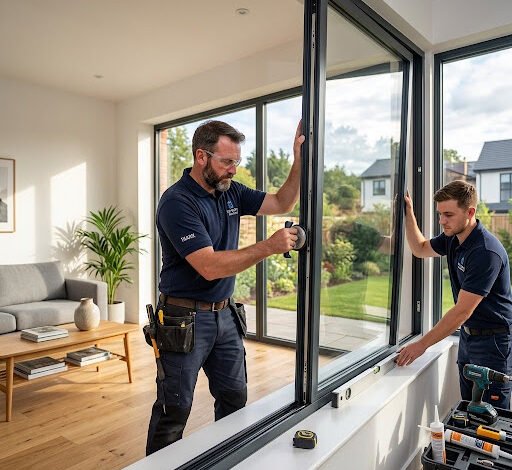
A skilled installation team measures precisely, preps the opening correctly, and seals every edge to prevent air and water infiltration. They also take care to protect your home during the process, minimizing dust and disruption. The difference between a professional installation and a rushed one often shows up years later, in the form of drafts, moisture damage, or premature wear.
Homeowners who invest in quality windows should expect the same level of care during installation. Anything less risks turning a smart upgrade into a recurring headache.
Ready to See the Difference?
Upgrading your windows is one of the few home improvements that pays off in comfort, efficiency, and appearance all at once. From choosing the right materials to ensuring a precise installation, every step matters if you want results that last.
If your home has been letting in more drafts than daylight, it might be time to take a closer look at what your current windows are actually doing for you. The right upgrade doesn’t just fix a problem. It changes how your home feels every single day.
Frequently Asked Questions
How long do quality windows typically last?
Well-made windows with proper installation can last 20 to 40 years, depending on the material and maintenance. Vinyl and fiberglass frames tend to last longer with less upkeep than wood frames.
Will new windows actually lower my energy bills?
Yes. Energy-efficient windows reduce heat transfer, which lightens the load on your heating and cooling systems. The exact savings depend on your home’s size, climate, and current window condition, but many homeowners notice a difference within the first year.
How do I know if my current windows need replacing?
Common signs include drafts near the frame, visible condensation between panes, difficulty opening or closing, and rising energy bills without another clear cause.
Does window style affect home value?
It can. Windows that complement your home’s architecture and improve curb appeal often make a positive impression on potential buyers, even if energy efficiency isn’t their first concern.