The Complete Guide to Driveway Cleaning for a Cleaner and More Attractive Property

A driveway is one of the most frequently used exterior surfaces around a property, yet it is often overlooked when regular cleaning and maintenance are planned. Vehicles, foot traffic, weather, dirt, oil, leaves, mud, tire marks, and other contaminants can gradually affect the appearance of the surface. Over time, these materials can become difficult to remove and may leave stains or create slippery areas. Driveway cleaning provides an effective way to remove accumulated dirt and restore a cleaner appearance while helping the surface remain easier to maintain. Whether the driveway is made from concrete, asphalt, pavers, or another suitable material, regular attention can make a noticeable difference. A well-maintained driveway can also contribute to the overall appearance of the property and provide a cleaner entrance for residents and visitors.
Why Driveway Maintenance Matters
Driveways are exposed to many outdoor conditions throughout the year, making them vulnerable to dirt and staining. Vehicle fluids, dust, mud, leaves, grass clippings, and moisture can settle into the surface and become increasingly difficult to remove. Driveway cleaning helps eliminate these accumulated contaminants before they become deeply embedded. Regular maintenance can also make it easier to identify cracks, surface deterioration, drainage problems, or other issues that might otherwise remain hidden beneath dirt. A clean surface generally creates a more organized appearance and can make the surrounding outdoor areas look better maintained. Keeping the driveway clean is therefore both a cosmetic and practical part of general property care.
Common Causes of Driveway Dirt and Stains
Different types of debris can affect a driveway in different ways. Dirt and dust may accumulate naturally, while leaves and organic material can leave dark marks as they decompose. Oil, grease, and other vehicle fluids can create noticeable stains that may become harder to remove with time. Mud can be tracked onto the surface by vehicles and footwear, especially after wet weather. Driveway cleaning should account for the type of contamination because different stains may require different cleaning approaches. Simply rinsing the surface may remove loose dirt but may not be sufficient for oil, algae, or deeply embedded grime. Identifying the source of the stain can help determine the most appropriate treatment.
Choosing the Right Cleaning Method
The appropriate cleaning method depends on the driveway material, condition, and type of contamination. Concrete, asphalt, brick, stone, and paver surfaces can respond differently to pressure, chemicals, moisture, and mechanical cleaning. Driveway cleaning should therefore be approached carefully rather than using the strongest possible method on every surface. High-pressure equipment can be useful for removing certain types of dirt, but excessive pressure may damage softer surfaces, loosen joint material, or cause surface deterioration. Cleaning products should also be selected according to the manufacturer’s recommendations and the type of material being treated. A careful method can provide effective results while reducing the possibility of unnecessary damage.
Pressure Washing Considerations
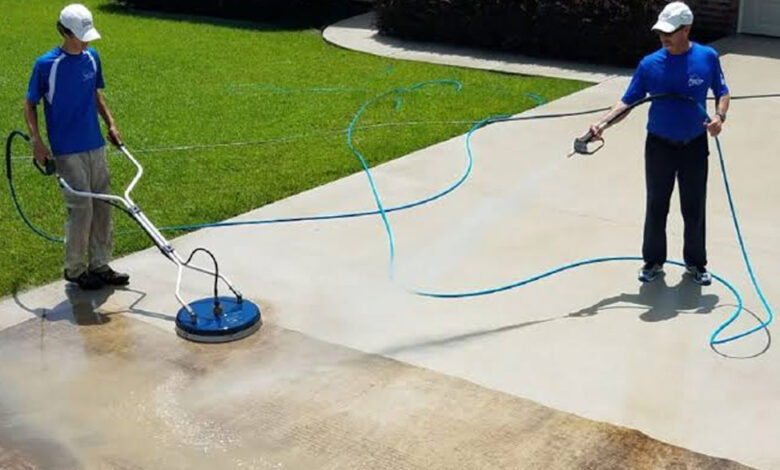
Pressure washing is a popular method for cleaning exterior surfaces because it can remove dirt, mud, algae, and other buildup efficiently. However, the pressure level and nozzle selection should match the surface being cleaned. Driveway cleaning with excessive pressure may create surface marks, remove loose material, or worsen existing damage. Concrete surfaces can sometimes tolerate substantial pressure, but older or damaged surfaces may require a gentler approach. Asphalt may also require special care because aggressive pressure can affect the surface. The cleaning process should begin with a suitable pressure level and be adjusted only when necessary. Proper technique is often more important than simply using maximum pressure.
Removing Oil and Grease Stains
Oil and grease are among the most noticeable and challenging driveway contaminants. Vehicle leaks can leave dark spots that absorb into porous surfaces and become more difficult to remove as they age. Driveway cleaning for oil stains may involve absorbent materials, suitable degreasers, brushing, and controlled rinsing. Fresh spills are generally easier to address than stains that have remained on the surface for a long period. Cleaning products should be used according to their instructions and should not be allowed to damage nearby landscaping or drainage systems. Multiple treatments may sometimes be necessary for older stains. If a stain cannot be completely removed, professional treatment may provide additional options.
Dealing With Mold, Algae, and Organic Growth
Moist and shaded areas can sometimes develop algae, mold, moss, or other organic growth. These materials can make a driveway appear neglected and may create slippery conditions when wet. Driveway cleaning can remove visible growth and help restore a more suitable surface. Organic growth should be treated according to the material of the driveway because certain cleaning solutions may affect nearby plants or surface finishes. Improving drainage and reducing prolonged moisture can also help prevent recurring growth. Regular removal of leaves and organic debris may further reduce the conditions that allow unwanted growth to develop. Cleaning should focus not only on removing visible material but also on addressing factors that contribute to its return.
Cleaning Concrete Driveways
Concrete is a common driveway material and can accumulate dirt, tire marks, oil, algae, and other contaminants. Driveway cleaning on concrete can often involve sweeping, appropriate detergents, brushing, and pressure washing when suitable. Cracks and damaged areas should be identified before aggressive cleaning begins because water pressure can sometimes worsen existing weaknesses. Concrete may also contain sealants or decorative finishes that require specialized care. Using an appropriate cleaning method helps protect the surface while removing unwanted buildup. After cleaning, allowing the concrete to dry completely can make it easier to evaluate the condition of the surface and determine whether additional maintenance is needed.
Cleaning Asphalt Surfaces
Asphalt requires a different approach from concrete because its composition and surface characteristics are different. Driveway cleaning on asphalt should avoid methods that may loosen surface material or cause unnecessary deterioration. Gentle pressure and suitable cleaning solutions can often remove general dirt and debris. Oil and grease stains should be addressed carefully because petroleum-based contaminants can affect asphalt over time. Regular sweeping and prompt treatment of spills can help maintain the surface. Property owners should also inspect asphalt periodically for cracks, potholes, edge deterioration, and drainage issues so that maintenance can be performed before minor problems become more significant.
Caring for Paver Driveways
Paver driveways can develop dirt, weeds, moss, and other buildup in the spaces between individual units. Driveway cleaning should address both the surface of the pavers and the joints between them. Excessive pressure may remove joint material, potentially making the pavers less stable. Cleaning should therefore be performed with appropriate pressure and technique. Weeds and organic growth may need to be removed separately, while sand or joint material may need to be replaced afterward depending on the condition of the surface. Regular maintenance can help preserve the appearance of pavers and make it easier to identify displaced or damaged units.
Preparing the Area Before Cleaning
Preparation is an important part of an effective cleaning process. Before starting, loose debris such as leaves, sticks, dirt, and small stones should be removed from the driveway. Vehicles, outdoor furniture, tools, toys, and other objects should be moved away from the work area. Driveway cleaning should also account for nearby doors, walls, plants, garden beds, and drainage points. Cleaning solutions should not be allowed to flow uncontrolled into sensitive areas. Covering or protecting vulnerable plants may be appropriate when cleaning products are used. A properly prepared area makes the cleaning process more efficient and helps reduce accidental damage.
Protecting Landscaping and Surrounding Areas
Driveways are often bordered by lawns, gardens, plants, walls, fences, or other outdoor features. Cleaning water and chemicals can potentially affect these areas if they are not managed carefully. Driveway cleaning should be performed with attention to where water and cleaning solutions will flow. Using environmentally appropriate products and controlling runoff can help reduce unwanted effects on nearby landscaping. Plants can be rinsed with clean water when appropriate, while sensitive areas may need temporary protection. Careful preparation and controlled cleaning can help maintain both the driveway and the surrounding landscape.
How Often Should a Driveway Be Cleaned?
The ideal cleaning frequency depends on factors such as climate, traffic, surface material, surrounding vegetation, and the amount of contamination. Properties surrounded by trees may accumulate leaves and organic debris more quickly, while heavily used driveways may develop tire marks and stains sooner. Driveway cleaning may be performed as part of seasonal property maintenance or whenever visible buildup becomes noticeable. Regular light cleaning can prevent contaminants from becoming deeply embedded and may reduce the need for aggressive treatments later. A routine schedule also makes it easier to identify surface damage and address maintenance issues promptly.
Benefits of Professional Cleaning
Some driveway maintenance tasks can be completed by property owners using basic tools and appropriate cleaning products. However, heavily stained or neglected surfaces may require specialized equipment and experience. Professional driveway cleaning providers may have commercial pressure washers, surface cleaners, stain treatments, and other tools designed for exterior surfaces. They can also adjust cleaning techniques according to the material and condition of the driveway. Professional assistance may be particularly useful when stains are extensive or when the property owner wants to avoid accidentally damaging the surface. Before hiring a provider, it is useful to discuss the driveway material, types of stains, expected results, and cleaning methods.
Preventing Future Stains and Buildup
Regular maintenance can help reduce the amount of work required during future cleanings. Spills should be addressed as soon as possible, particularly when they involve oil or other staining substances. Leaves and organic debris should be swept away before they remain on the surface for extended periods. Driveway cleaning can become easier when routine sweeping and spot treatment are performed between deeper cleanings. Vehicles should also be monitored for leaks so that fluid problems can be corrected before they create repeated stains. In areas prone to organic growth, improving drainage and reducing excessive moisture may help prevent recurring buildup.
Repairing Problems Discovered During Cleaning
Cleaning often reveals cracks, surface wear, loose pavers, potholes, or other problems that were previously hidden by dirt and debris. Driveway cleaning should therefore be followed by a visual inspection of the entire surface. Small cracks may require appropriate repair before they become larger, while damaged sections may need more extensive maintenance. Pavers that have shifted can sometimes be reset, while deteriorated asphalt may require patching or resurfacing. Addressing these issues early can help prevent further deterioration. Cleaning provides an excellent opportunity to inspect the driveway because the underlying surface becomes easier to see once contaminants have been removed.
Seasonal Cleaning and Maintenance
Different seasons can create different cleaning challenges. Spring may bring pollen, leaves, mud, and organic residue, while summer can leave dust and vehicle-related stains. Autumn often creates large quantities of leaves and plant debris, while winter conditions can leave dirt and residue on frequently used surfaces. Driveway cleaning can be incorporated into seasonal maintenance so that buildup does not remain for long periods. After periods of heavy weather, a visual inspection can identify new cracks, stains, drainage problems, or surface damage. Seasonal attention can help maintain a cleaner appearance and reduce the need for extensive restoration work.
Responsible Water and Cleaning Product Use
Exterior cleaning can use substantial amounts of water, particularly when pressure washing large surfaces. Responsible cleaning practices can help reduce unnecessary water use and control where dirty water flows. Driveway cleaning should be performed with suitable equipment and cleaning products that match the type of surface and contamination. Strong chemicals are not always necessary, and excessive use can create risks for landscaping and surrounding areas. Following product instructions and using the minimum effective amount can provide a more controlled cleaning process. Proper runoff management is also important, particularly when the cleaning process involves oil, chemicals, or other contaminants.
Maintaining a Clean Appearance
A driveway contributes significantly to the first impression of a property because it is often one of the first exterior surfaces people see. Dirt, oil marks, weeds, moss, and accumulated debris can make even a well-maintained property appear less cared for. Driveway cleaning can refresh the appearance of the surface and create a cleaner transition between the driveway, landscaping, and building exterior. While cleaning alone cannot repair structural damage, it can significantly improve the visual condition of a surface. Regular maintenance also helps prevent minor cosmetic issues from becoming deeply embedded or difficult to address.
Final Inspection After Cleaning
After the cleaning process is complete, the entire driveway should be inspected while the surface is clean and visible. Driveway cleaning may reveal areas where stains require additional treatment or where repairs are necessary. The surface should be checked for cracks, loose materials, damaged edges, standing water, and remaining debris. Nearby landscaping should also be inspected to ensure that cleaning activities have not caused unwanted damage. Allowing the driveway to dry can make certain stains and surface conditions easier to evaluate. A final inspection helps determine whether the cleaning has achieved the desired result and whether any additional maintenance should be scheduled.
Conclusion
A driveway is an important part of a property’s exterior and deserves regular care just like other frequently used surfaces. Dirt, oil, mud, organic growth, tire marks, and weather-related buildup can gradually reduce its appearance and create maintenance challenges. Driveway cleaning provides a practical way to remove these contaminants, improve visual appeal, and make surface problems easier to identify. The right cleaning method depends on whether the driveway is made from concrete, asphalt, pavers, or another material. Careful preparation, suitable equipment, responsible cleaning products, controlled water use, and regular inspections can help produce better results. With consistent maintenance and prompt attention to stains or damage, property owners can keep their driveways cleaner, safer, and more attractive for longer.