A Complete Guide to Designing, Building, and Maintaining a Beautiful Outdoor Living Space

An outdoor living space can provide a comfortable area for relaxing, entertaining guests, enjoying meals, and spending time with family. A well-designed deck can also make better use of an underused part of a property while creating a natural connection between indoor and outdoor areas. However, building a durable deck requires more than choosing attractive boards and assembling a frame. The design, materials, foundation, drainage, structural support, railings, stairs, and finishing details all need to work together. Careful planning at the beginning can help create a structure that is attractive, functional, safe, and capable of handling regular use for many years.
Planning the Project
The first step in creating a successful outdoor structure is developing a clear plan. Homeowners should consider how the space will be used, how many people it should accommodate, and what furniture or features will eventually be placed on it. The available area should be measured carefully, while the relationship between the deck and existing doors, windows, landscaping, and other structures should also be considered. A deck builder can use these details to develop a layout that balances appearance with practical requirements. Planning should also include access, drainage, lighting, stairs, railings, and future maintenance so that important details are addressed before construction begins.
Choosing the Right Design
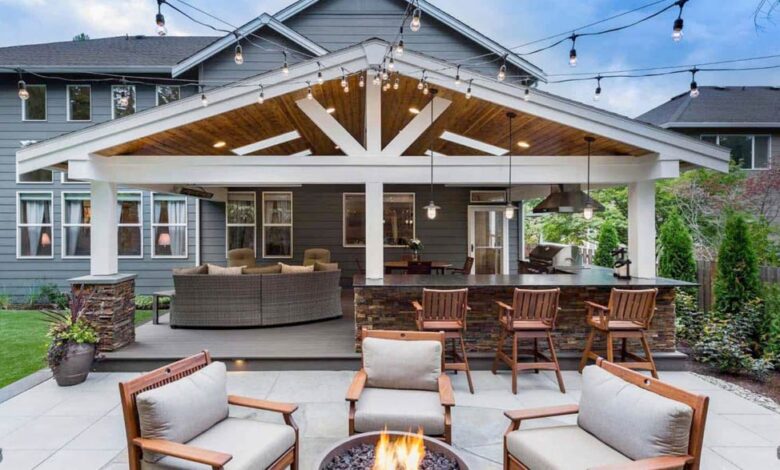
Deck designs can range from simple rectangular platforms to more detailed structures with multiple levels, built-in seating, stairs, planters, privacy features, and designated spaces for outdoor dining. The best design depends on the property’s layout and the homeowner’s intended use. A simple design may be easier to maintain, while a more complex layout can create separate areas for cooking, dining, relaxing, or entertaining. The shape should also work naturally with the surrounding architecture rather than appearing disconnected from the building. A deck builder can help translate practical requirements into a design that provides both useful space and a cohesive visual appearance.
Selecting Suitable Materials
Material selection has a major influence on durability, maintenance, appearance, and cost. Traditional wood remains popular because it provides a natural appearance and can be available in many grades and styles. Composite decking is another option that can provide consistent appearance and reduced routine maintenance compared with some traditional wood products. Other materials may offer different combinations of strength, color retention, resistance to moisture, and long-term performance. Homeowners should consider how much maintenance they are willing to perform before choosing a material. A deck builder can explain the characteristics of available options and help match the material to the intended use, design, and maintenance expectations.
Understanding the Structural Framework
The visible decking boards are only one part of the structure. Beneath them is a framework of beams, joists, posts, connectors, and other components that carry the weight of the deck and everything placed on it. The structural system must be designed and assembled correctly so that loads are transferred safely into the supporting foundation. Spacing between joists should be appropriate for the selected decking material, while connections should be secure and suitable for outdoor exposure. The framework should also be protected from excessive moisture where appropriate. A qualified deck builder understands that long-term performance depends heavily on the structural components that remain hidden after the surface boards are installed.
Building a Strong Foundation
The foundation is one of the most important elements of any elevated or freestanding deck. Posts and supports need stable bases capable of handling the expected loads without excessive movement or settlement. The exact foundation method depends on the deck’s design, height, soil conditions, and applicable construction requirements. Poorly prepared supports can lead to uneven surfaces, shifting, or structural problems over time. Drainage around the foundation should also be considered so that water does not remain concentrated around supporting components. Proper foundation planning gives the deck a stable starting point and allows the rest of the structure to perform as intended.
Considering Drainage and Moisture
Water is one of the most important environmental factors affecting an outdoor structure. Rain can collect between boards, around fasteners, near posts, and against adjoining surfaces if drainage is not considered carefully. Deck boards should be installed with appropriate spacing and orientation so that water can move away from the surface. The area beneath the deck should also have enough drainage to prevent persistent moisture accumulation. Materials exposed to repeated wet conditions should be selected and installed appropriately. A deck builder should consider moisture management throughout the project because good drainage can help reduce deterioration, staining, mold growth, and other problems associated with prolonged exposure to water.
Selecting Railings and Safety Features
Railings are an important part of elevated decks because they can provide both safety and visual definition. Their height, spacing, strength, and attachment method should be appropriate for the structure and any applicable building requirements. Stair railings and handrails should also be considered wherever stairs are present. Decorative details should never compromise structural stability or create unsafe openings. Homeowners may choose from a variety of railing materials and styles, including wood, metal, glass, and composite options. A deck builder can incorporate railings into the original design so that they complement the overall structure rather than appearing as an afterthought.
Designing Comfortable Stairs
Stairs provide access between different elevations and should be designed with comfort and safety in mind. Consistent tread depth and riser height are important because irregular steps can make movement difficult and increase the risk of trips. The width of the stairs should also be suitable for the expected use, particularly when the deck will frequently be used for entertaining. Handrails and lighting can provide additional support and visibility. Stairs should be positioned where they provide convenient access without interfering with doors, pathways, landscaping, or other structures. Careful stair planning allows the deck to function naturally as an extension of the home.
Adding Functional Features
A deck can be customized with features that improve comfort and usability. Built-in benches can provide seating without taking up additional floor space, while planters can add greenery and help define different areas. Privacy screens may create a more comfortable setting, and integrated lighting can make the space easier to use during the evening. Some homeowners may also incorporate areas for outdoor cooking, dining, storage, or recreation. These features should be considered during the design stage because adding them later may require modifications to the structure. A deck builder can plan the supporting framework around these additions so that the finished space remains organized and functional.
Preparing for Construction
Good preparation can make the construction process more efficient and reduce unexpected problems. The site should be cleared of unnecessary obstacles, and the proposed layout should be marked carefully before excavation or foundation work begins. Existing utilities and underground services may need to be identified before digging. Materials should be stored in a way that protects them from unnecessary moisture or damage. The construction area should also be kept organized so that workers can move safely and efficiently. Before construction begins, the homeowner and deck builder should have a clear understanding of the design, materials, features, expected timeline, and maintenance requirements.
Avoiding Common Construction Problems
Several common issues can affect deck performance when construction is rushed or poorly planned. Insufficient support spacing can create movement or sagging, while improper fastening may allow boards to loosen over time. Poor drainage can contribute to moisture damage, and inadequate connections can weaken the overall structure. Another problem is failing to account for natural expansion and contraction of certain materials. Deck boards and framing components may respond differently to changes in temperature and moisture, so installation methods should accommodate those movements. A careful deck builder pays attention to these details throughout construction rather than attempting to correct problems after the structure is complete.
Maintenance After Construction
Regular maintenance can help preserve the appearance and performance of an outdoor structure. Wood surfaces may require periodic cleaning, staining, or sealing depending on the material and desired appearance. Composite products generally require different care and should be cleaned according to manufacturer recommendations. Homeowners should also inspect railings, stairs, fasteners, support posts, and connections periodically. Leaves and debris should be removed because trapped organic material can hold moisture against the surface. Drainage areas beneath the deck should remain clear as well. Routine maintenance helps identify small problems early and can extend the useful life of the structure.
Protecting the Surface
The surface of a deck receives direct exposure to sunlight, rain, dirt, foot traffic, furniture, and temperature changes. Over time, these conditions can cause fading, staining, surface wear, or moisture-related deterioration. The appropriate protective treatment depends on the decking material. Wood may benefit from a suitable stain or protective finish, while composite materials should generally be maintained using cleaning methods recommended by the manufacturer. Heavy furniture should be positioned carefully to avoid unnecessary damage, and spills should be cleaned promptly. A deck builder can provide material-specific maintenance recommendations that help preserve the appearance and performance of the finished surface.
Professional Expertise and Quality Workmanship
A deck may appear straightforward from the outside, but its construction involves structural and safety considerations that should not be overlooked. Professionals can evaluate the design, foundation, framing, connections, materials, stairs, railings, and other components as part of one complete project. They can also identify potential problems before construction begins and adjust the design accordingly. Working with an experienced deck builder can be especially useful for complex layouts, elevated structures, multiple levels, or projects involving custom features. Quality workmanship can influence not only the appearance of the finished deck but also its stability, durability, and long-term usability.
Final Thoughts
Building a high-quality outdoor living space requires thoughtful planning, suitable materials, strong structural support, effective drainage, and attention to safety. The design should reflect how the space will be used while complementing the surrounding property and providing convenient access. Material selection should account for appearance, maintenance requirements, durability, and budget, while the foundation and framing should be designed to support the expected loads. Railings, stairs, lighting, seating, and other features can further improve functionality when they are incorporated into the original plan. With careful preparation and professional workmanship, a deck builder can help create an outdoor structure that combines comfort, practicality, and long-term performance. Regular inspection and maintenance will then help preserve the structure and allow homeowners to enjoy their outdoor space for many years.